Annaberg Plantation
"Some views are pretty. This one asks something of you before it lets you enjoy it."
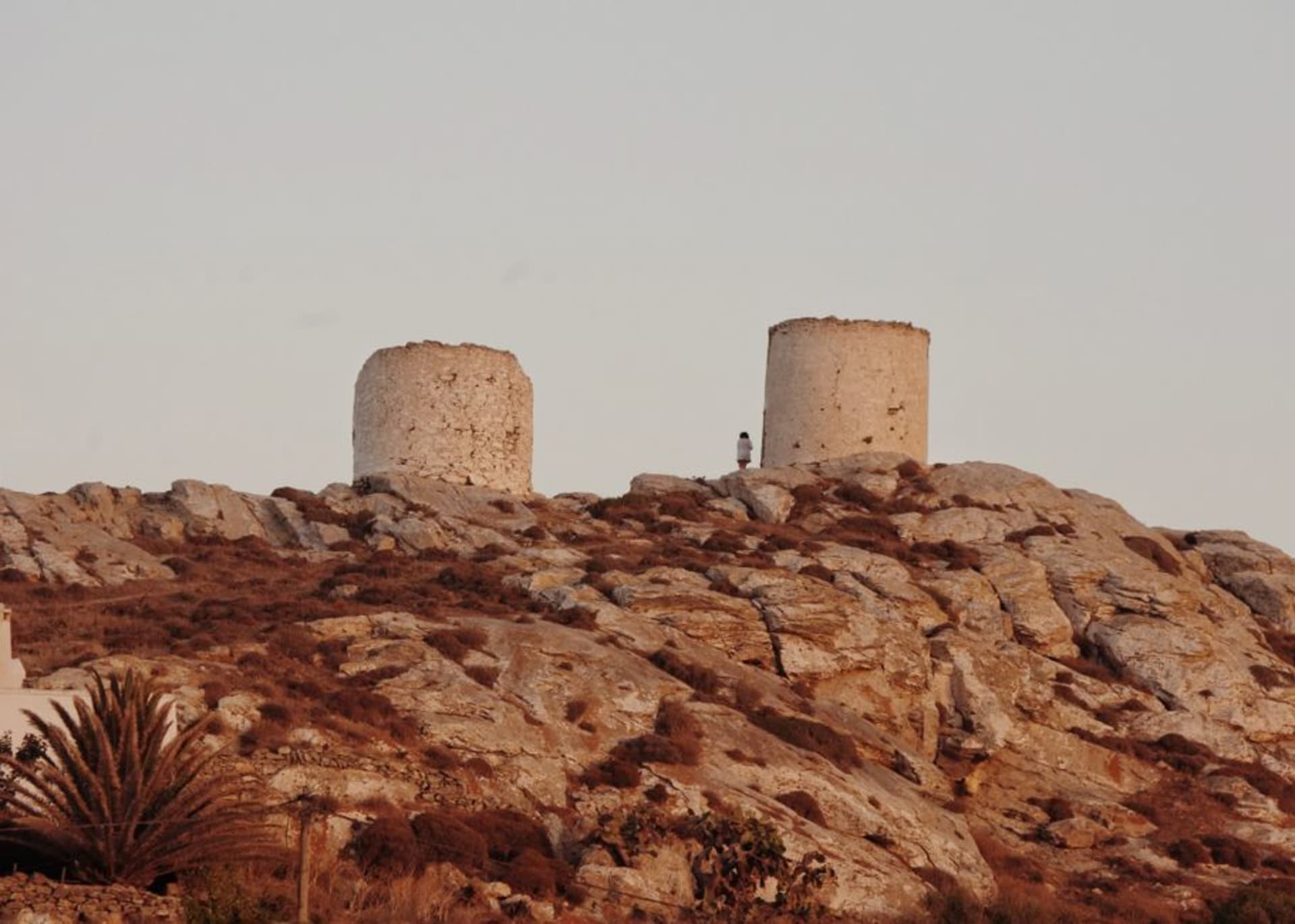
Sugar mill ruins on St. John's north shore where Danish colonial history and the 1733 slave rebellion meet the sea.
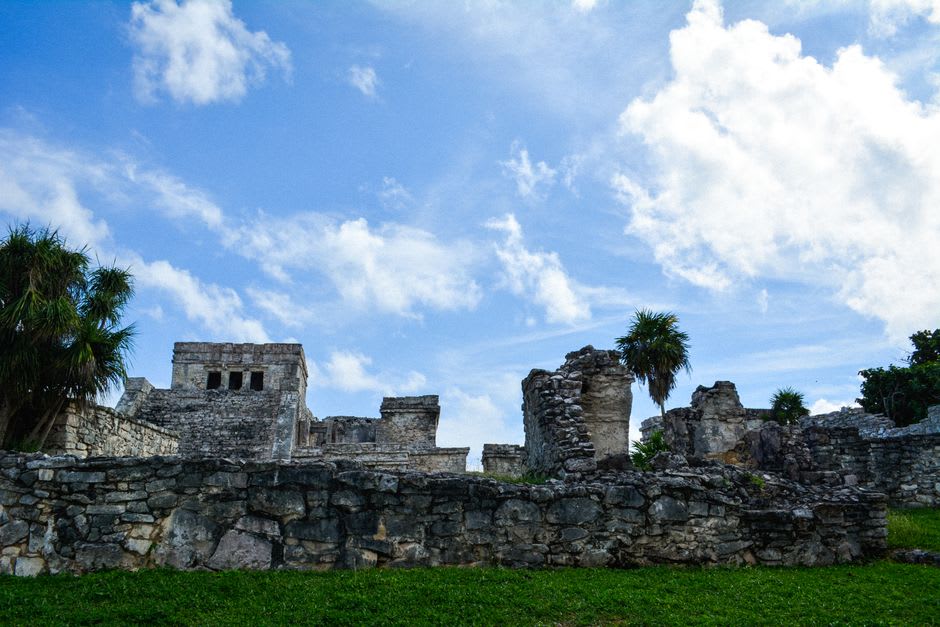
We drove up to Annaberg early, the way the ranger at the visitor center in Cruz Bay had told us to, and I was glad for it — by nine the sun was already flattening the shadows out of the ruins, and by ten it would have been miserable to walk the loop. Lia had read a little about the site the night before, but nothing prepares you for actually standing inside the windmill tower, looking up at a circle of blue sky through eighteenth-century stonework. This is Danish St. John, 1780s, sugar money built on people who had no say in any of it. The tower, the factory building, the rum still — they’re all still there, roofless and patient, right on the edge of Virgin Islands National Park.
What stayed with me wasn’t the windmill, honestly, though it’s the postcard shot everyone takes. It was the slave quarters, low stone walls you could almost miss if you didn’t slow down, and the interpretive signs that don’t soften what happened here. In 1733, enslaved Akwamu men and women on St. John rose up and held large parts of the island for close to six months — one of the longest slave rebellions anywhere in the Americas, and one of the earliest. Standing in ruins that were rebuilt after that uprising, knowing the ground under my sandals had been part of it, changed the whole visit for me. It’s not a “pretty plantation” stop. It’s a place that makes you sit with something heavier while the trade winds move through the ruins.
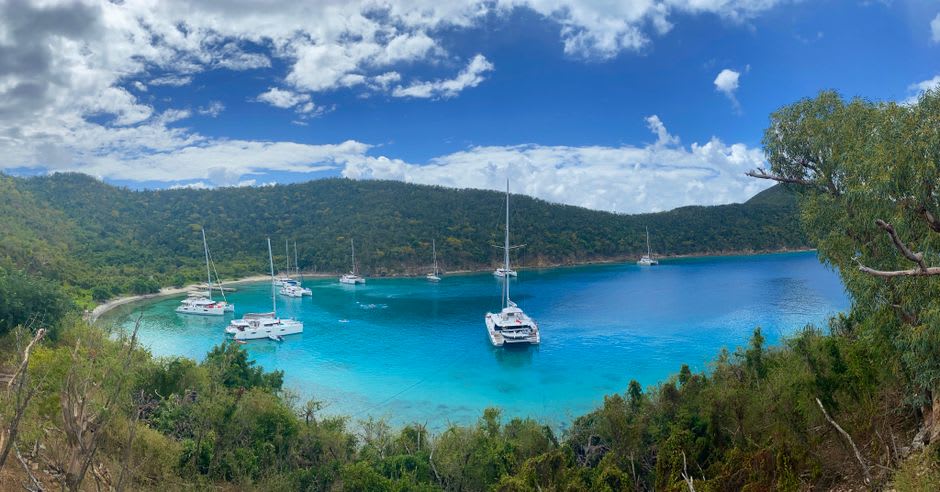
The self-guided loop is short, maybe forty minutes if you actually read the signs, which I recommend doing rather than rushing to the view. And the view, when you get to it, is worth the wait: Leinster Bay stretched out turquoise below, and beyond it the green humps of the British Virgin Islands sitting right there across the channel, close enough that Tortola felt like something we could swim to. I sat on a low wall by the rum still with a bottle of water going warm in my hand and just looked at that water for a while. Lia found a hermit crab working its way across the trail and we lost ten minutes watching it instead of the ruins.
What I keep coming back to is how intact the place is — one of the best-preserved sugar works left in the Caribbean, the National Park Service says, and walking it you believe them. It’s not a reconstruction dressed up for visitors; it’s the real stone, the real windmill base, the real weight of what a Danish sugar economy required. We left quieter than we arrived, which felt right.
When to go: Aim for December through April, when the dry season keeps the trail firm and rain unlikely, and get there in the morning — the ruins have almost no shade, and the walk turns punishing fast once the Caribbean sun is directly overhead.