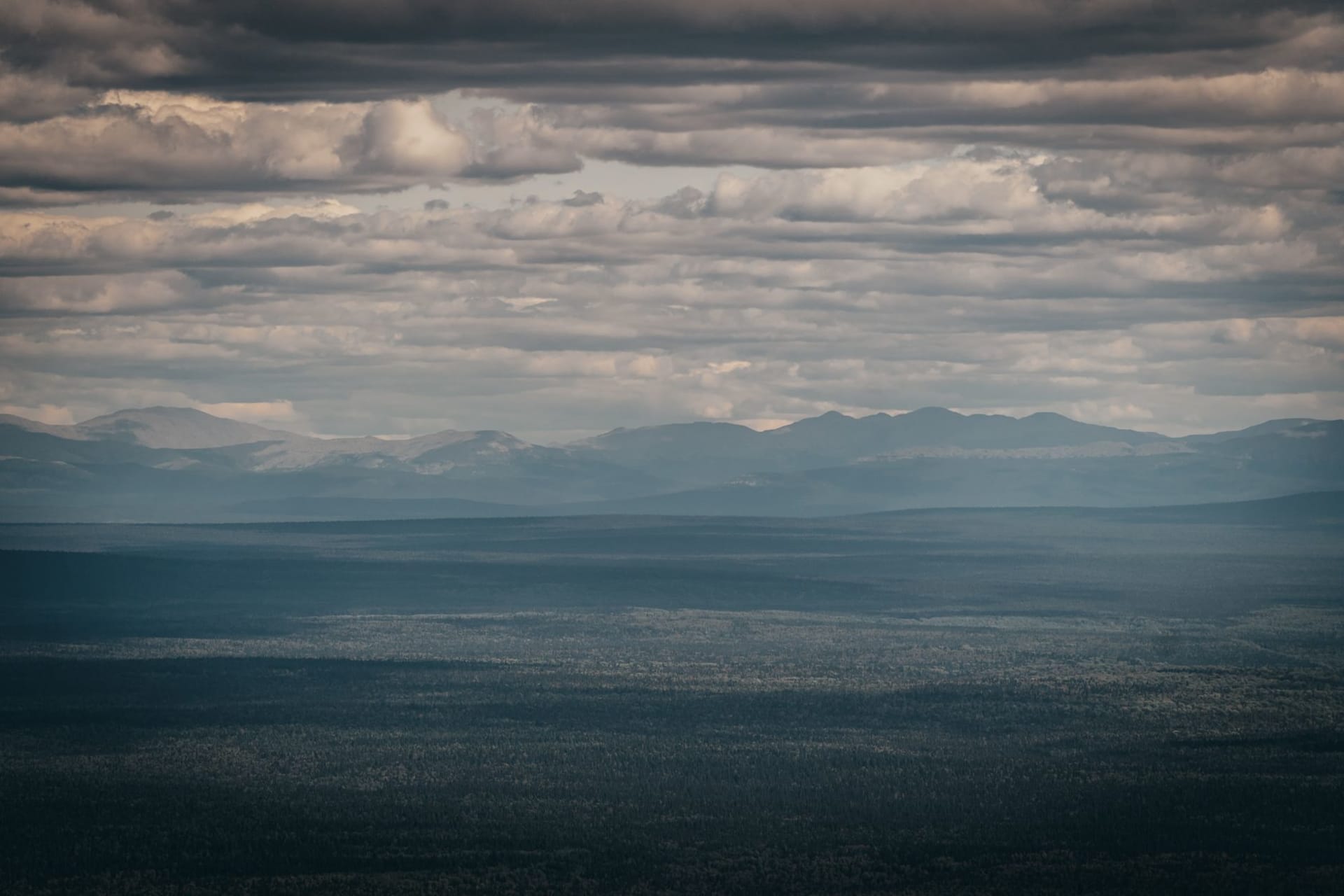
Zlatoust
"They made weapons here. Then they made the weapons too beautiful to use. Then they made them into art. That's a reasonable arc."
Zlatoust means Golden Mouth in Russian — named for Saint John Chrysostom, patron of goldsmiths, an irony given that the town’s specialty turned out to be steel. The city occupies a narrow valley in the southern Urals where the Ay River cuts through the mountains, and the topography is dramatic in the way that industrial towns in mountain valleys often are: factory buildings climbing the hillsides, a reservoir sitting above the main street, forested ridges framing everything.
The Blades
Zlatoust has been producing bladed weapons since 1815, when the Arms Factory was established to supply the Russian military. The craftsmen brought in from Solingen and Klingenthal in Germany introduced Western metallurgy techniques and something happened in the collision with local traditions: the engravings on the blades became extraordinarily elaborate. Hunting scenes, battle panoramas, forest landscapes, portraits of tsars — all done in a combination of gilding and acid etching that produces line quality approaching the finest printmaking.
The City Museum of History has a collection of these pieces that spans two hundred years, and it’s genuinely astonishing. A hunting knife from 1820 with a scene of bear hunting in the Ural forests, etched so finely you need a magnifier to see the individual trees. Military sabers presented to generals, their scabbards as elaborate as the blades. The work continued through the Soviet era, when the imagery shifted to factories, five-year plans, and portraits of Lenin done in the same meticulous technique — a surreal application of a tsarist art form.
The Living Craft
Several workshops in Zlatoust still do the traditional engraving. You can visit, watch, and buy — the pieces range from small decorative daggers at accessible prices to elaborate presentation pieces that cost as much as a decent used car. I watched a craftsman work for half an hour, his magnifying glass on a stand, his tools arrayed in a specific order, the blade clamped in a wooden vise. The sound was a light ticking, metal on metal, almost meditative. He’d been doing it for thirty-four years.
The tourist shops around the main square sell lower-quality machine-made versions. They’re not the same thing and the difference is immediately visible — the line quality is mechanical, the imagery generic. Worth knowing before you buy.
The Valley in Winter
I went to Zlatoust in February, which I suspect is not most people’s first choice. It was wrong and right simultaneously. The temperature was minus eighteen, the kind of cold that makes the air creak when you breathe, but the Ay River valley under snow was beautiful in an uncompromising way — the white of the frozen reservoir, the dark of the spruce above the factory rooflines, the smoke rising straight up from chimneys in the still air.
The local skiing area, Urale, sits just outside town and has a genuinely vertical run by Ural standards. The lift is Soviet-era and slow. The runs are icy and fast. I went twice and the second time was better because I’d stopped being surprised by the cold and started paying attention to the forest on either side of the trail.
Getting There
Zlatoust is on the main Trans-Ural railway line between Ufa and Chelyabinsk. It’s also the base for Taganay National Park — the main park entrance is a fifteen-minute drive or a long walk from the city center. The combination of town and park makes Zlatoust a natural two-to-three day stop on a southern Ural itinerary.
When to go: September and October for the combination of autumn forest color and full access to both the city’s craft culture and Taganay’s trails. February and March for winter sports and the dramatic valley winter landscape. July and August if you’re primarily using Zlatoust as a Taganay base.