Washington DC
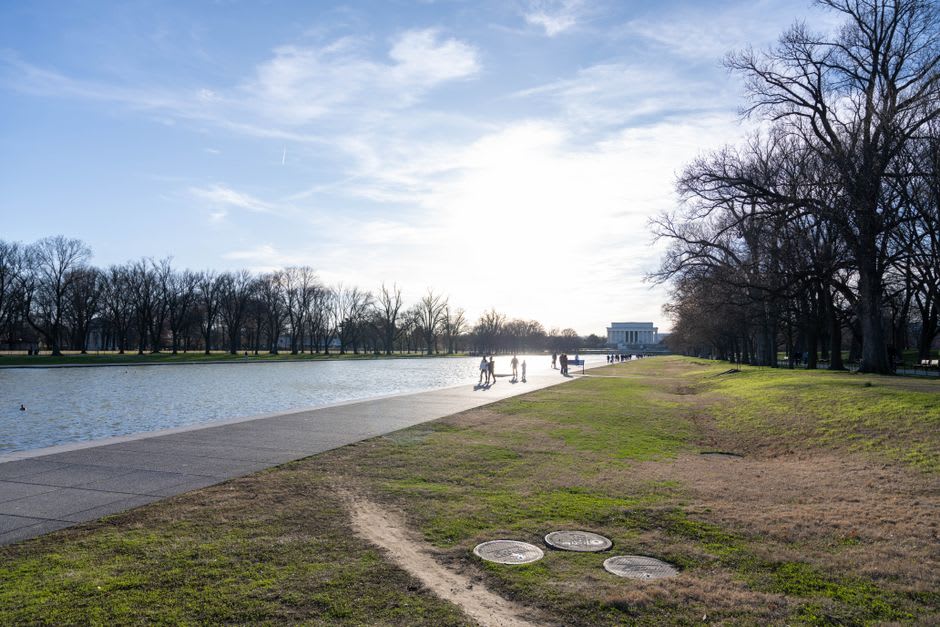
"We walked the Mall at night, alone with the marble and the reflecting water."
The American capital of grand marble monuments, free museums and springtime cherry blossoms along the tidal water. Behind the ceremonial avenues run leafy neighborhoods of row houses and corner cafés. Washington is at once a stage set for a nation and a city where people quietly live.
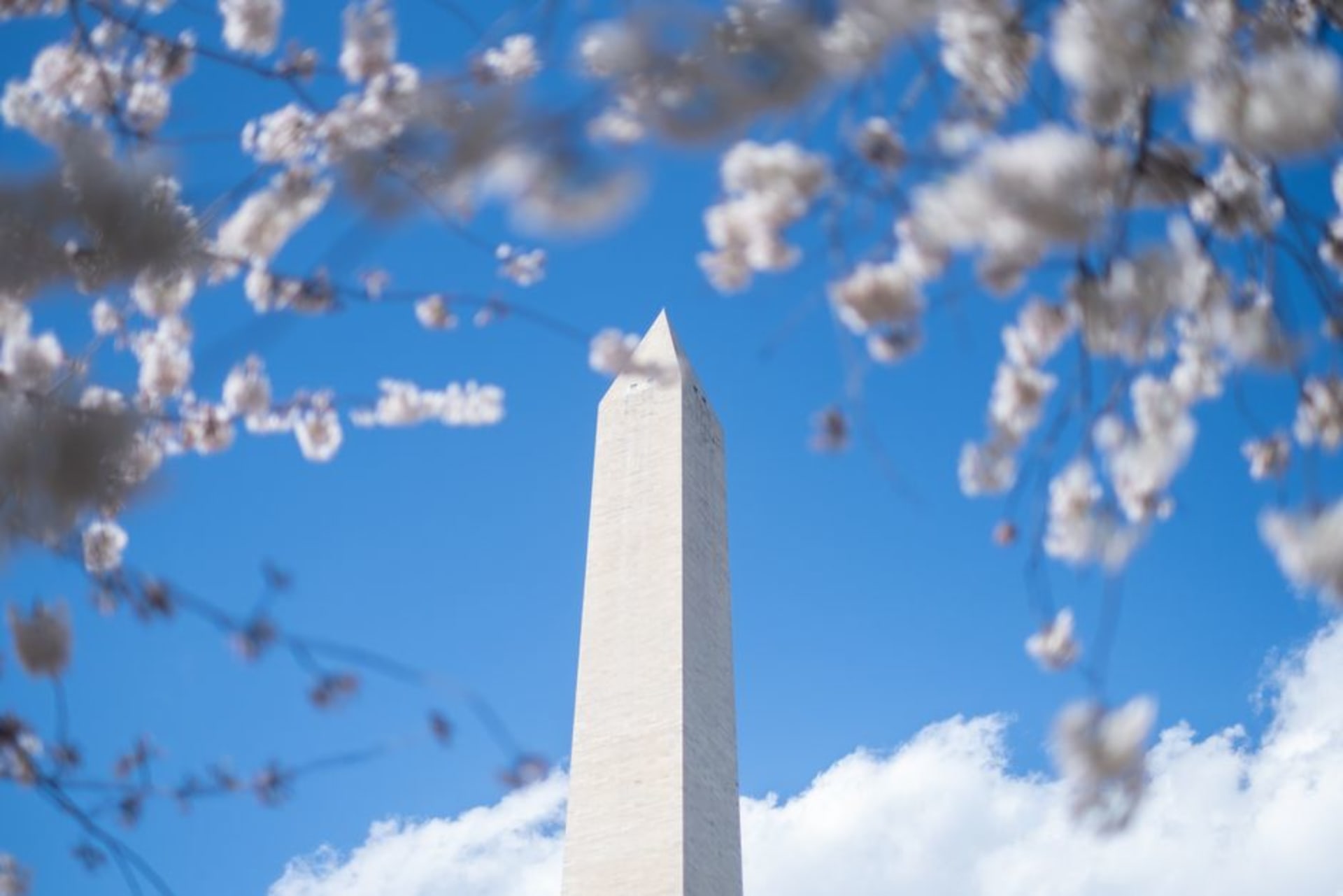
Washington surprised me by being emptier than I expected, at least at the hour we chose it. We arrived off an evening train and, too restless to sleep, walked out onto the National Mall near midnight. The great lawn stretched away, the Capitol lit at one end and the Washington Monument spearing the dark at the other, and hardly a soul between them. Lia and I had the whole axis of American power to ourselves, and it felt less like a monument and more like a held breath. We didn’t say much. Some places are best entered quietly.
The monuments by the water
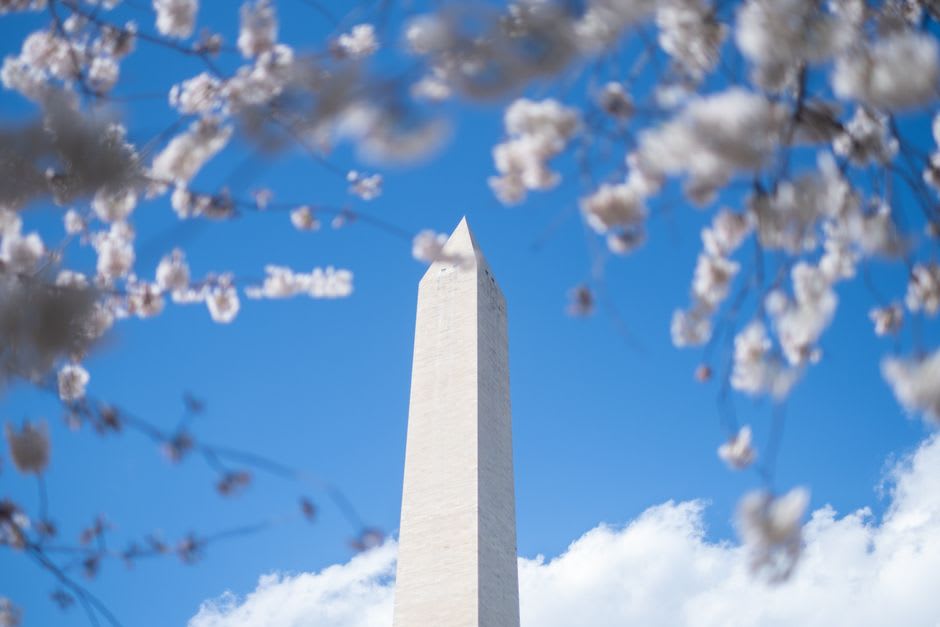
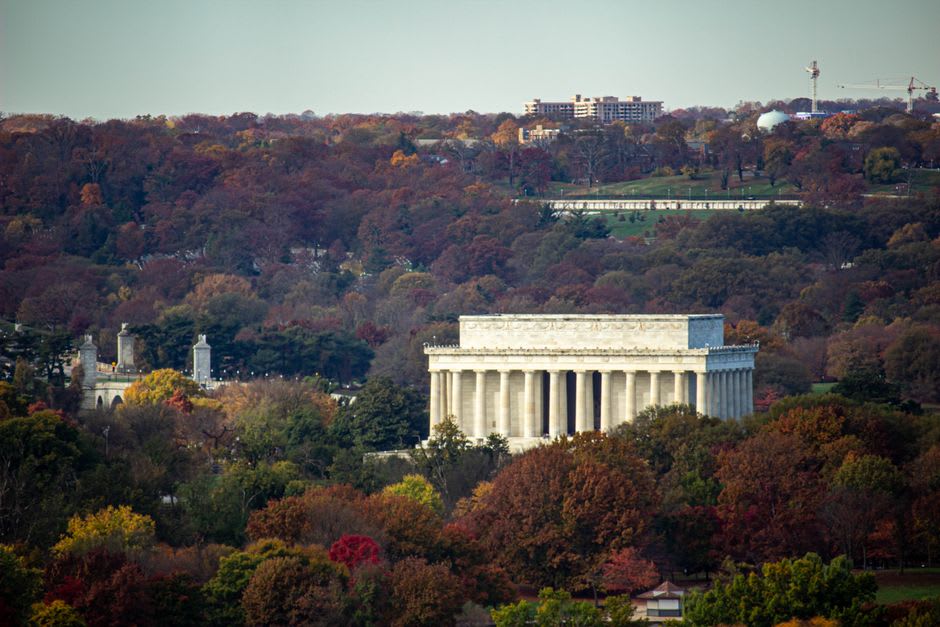
The next morning we walked the western end properly, along the Tidal Basin where the cherry trees stood green and heavy, past their spring bloom but still forming a tunnel of leaves. At the Lincoln Memorial we climbed the steps and read the Gettysburg Address carved into the wall, and I watched an old veteran read it too, his lips moving. The Vietnam Memorial undid Lia entirely, that long black wall sinking into the earth with its endless names, people pressing paper to the stone to rub a name home. We finished at the Jefferson Memorial across the water, its dome mirrored in the basin.
Museums without end
What still astonishes me about Washington is that the museums are free, all of them, lined up along the Mall like an offer no one should refuse. We could never have done them all, so we chose two: the National Air and Space Museum, where Lia stood under the actual Wright Flyer and the Apollo capsules with their scorched heat shields, and the National Museum of African American History and Culture, which we entered underground in slavery and climbed, floor by floor, toward light and music and liberation. We came out of that one shaken and grateful, and sat on the museum steps a long while before we could speak.
The city behind the marble
On our last day we abandoned the monuments for the neighborhoods, and found the real city. Georgetown’s brick sidewalks buckled over tree roots, and we followed the old canal towpath until the noise of traffic faded entirely. Later we ate in a tiny Ethiopian place near U Street, scooping spiced stews with spongy injera while the owner told us this stretch had been Duke Ellington’s boyhood ground. Washington, it turns out, is a city of layers, and the ceremonial one on the Mall is only the topmost. Underneath runs a living place, full of embassies and murals and people arguing happily over coffee.
Getting There
Three airports serve the capital, but the closest, Reagan National, sits just across the river and connects straight to downtown by Metro, which is how we came in. The Metro is clean and reaches nearly everything a visitor wants, though the Mall itself is best walked, and it’s far larger than photographs suggest, so wear real shoes. Spring, for the famous cherry blossoms, draws the crowds; we came in early summer and found the evenings long and the monuments gloriously quiet after dark, which became our favorite time to walk them.