Wilmington
"Wilmington sits where the ski road meets the flood plain, and it has learned to live with both."
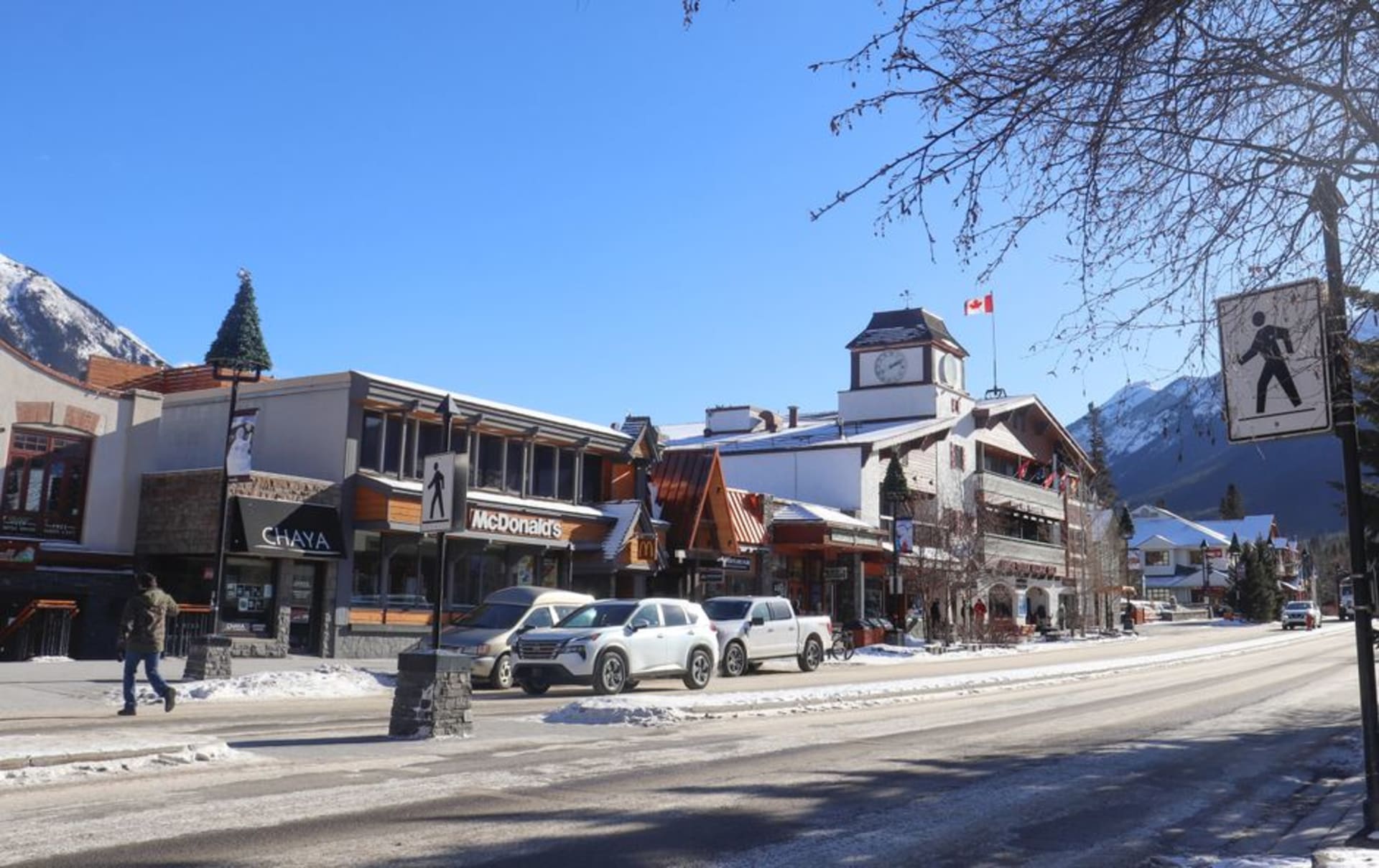
A flood nearly erased Wilmington's downtown in 2011, and what struck me most, walking its brick sidewalks now, was how little evidence remains of that — just a town that rebuilt itself and got back to business at the foot of the mountain.
I came into Wilmington on Route 9, the Molly Stark Byway, which curls through the Deerfield Valley in a series of bends that made me grateful for the low late-afternoon traffic. The town itself is small enough to take in from one intersection — a handful of brick storefronts, a white-steepled church, the kind of downtown that exists mainly to serve the skiers heading up to Mount Snow a few miles north. In August 2011, Hurricane Irene sent the Deerfield River over its banks and tore through much of that same downtown, gutting shops and undermining building foundations along Main Street. Talking to a shopkeeper who’d rebuilt from the studs up, I got the sense that the flood is still a real memory here, even if the streets themselves show almost no trace of it now.
The White House and the long view down to the reservoir
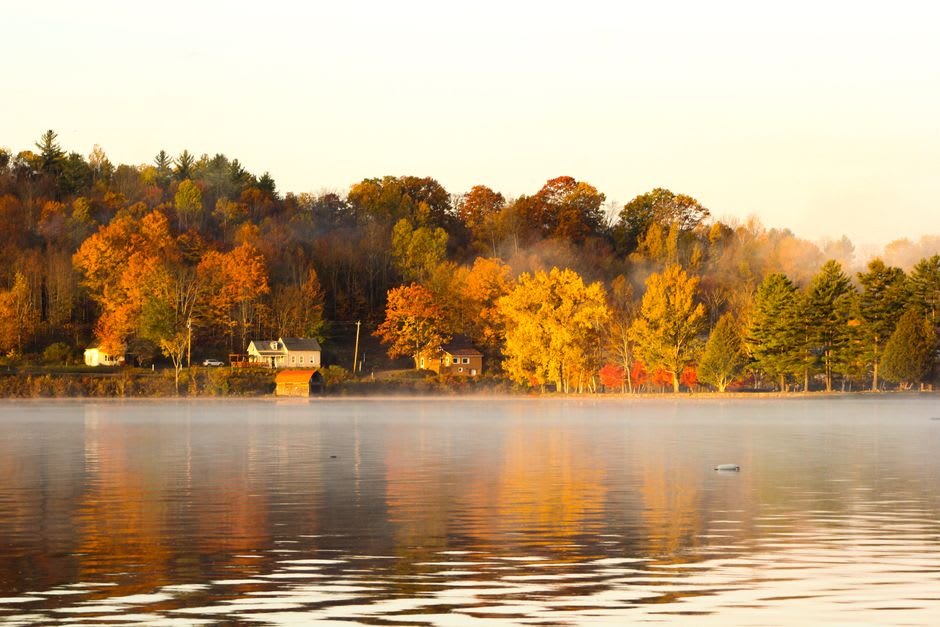
The White House Inn sits on a hill just outside town, a grand 1915 mansion turned hotel with a view that stretches out over the valley toward Harriman Reservoir, a long finger of water created by a hydroelectric dam on the Deerfield River. I sat on the porch there one evening with a beer, watching the light go gold and then gray over the water, and it was easy to understand why a lumber baron picked this exact spot to build his house a century ago. The reservoir itself, when I drove down to it the next morning, was quiet enough that a single kayaker’s paddle strokes carried clearly across the water.
Mount Snow’s shadow
Wilmington exists largely because of Mount Snow, the ski resort a short drive north whose lift towers are visible from parts of town on a clear day, and the rhythm of the place still follows the ski season even in summer, when mountain bikers replace skiers on the same lift-served trails. I ate dinner at a small restaurant on Main Street where half the conversation around me was about snow conditions months in advance, an odd thing to overhear in July but apparently normal here. Walking back to the car after dark, the brick facades lit by streetlamps, the town felt entirely at peace with its dual identity — flood survivor and ski gateway, going about its business either way.
Getting There
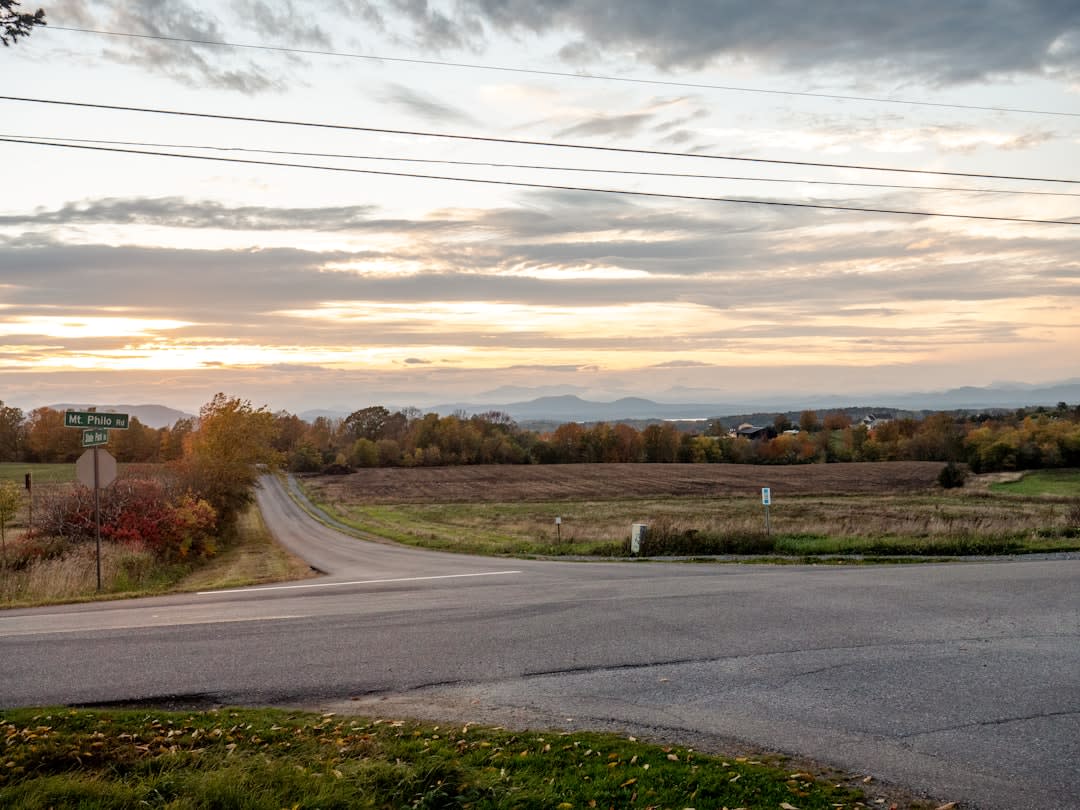
Albany International Airport in New York is the closest major airport, about ninety minutes southwest. From Boston, it’s roughly two and a half hours west via Route 2 and Route 9, the Molly Stark Byway itself making up the final scenic stretch. A car is essential here — Wilmington, Mount Snow, and Harriman Reservoir are all connected by rural roads with no public transit to speak of.
Keep exploring
More of Vermont