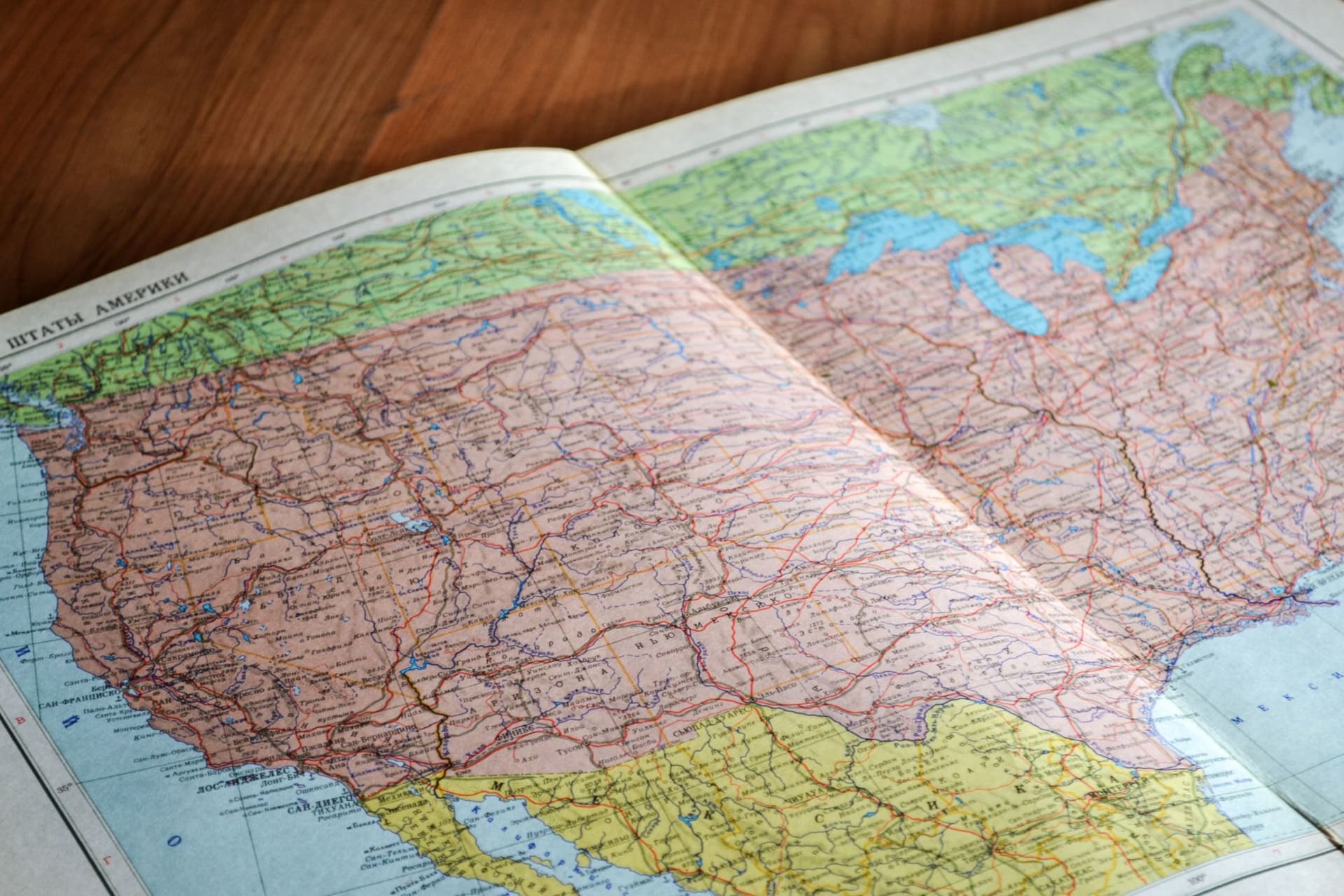
Kerrville
"In Kerrville, the river sets the pace, and everyone — festival crowds included — eventually learns to follow it."
A Hill Country river town famous for cypress-shaded banks and a folk festival that turns a public park into a campground of songwriters every summer. Lia and I spent our evenings there with our feet in the Guadalupe River, guitars drifting faintly from somewhere downstream.

Kerrville sits along the Guadalupe River in the heart of Texas Hill Country, a town of limestone bluffs and old bald cypress trees whose roots grip the riverbank like knuckles. Lia and I came in early June, which turned out to be exactly right: the Kerrville Folk Festival, running continuously since 1972, was in full swing at Quiet Valley Ranch just outside town, an eighteen-day gathering where songwriters camp for weeks and trade songs around campfires long after the main stage goes dark. We only caught two days of it, but two days were enough to understand why musicians talk about this festival the way pilgrims talk about a shrine.
The river and Louise Hays Park
Kerrville’s real center of gravity is the river itself. Louise Hays Park runs along the Guadalupe right downtown, with cypress-shaded lawns, a low-water dam that locals use as a swimming hole, and a footbridge where we watched teenagers jump into the current on a hundred-degree afternoon. We rented tubes nearby and drifted a lazy stretch of green water, the limestone bed visible clear beneath us, before dragging ourselves out sunburned and happy for barbecue in town.

Cowboy art and the Hill Country roads
Kerrville also holds the Museum of Western Art, a striking adobe-style building full of contemporary cowboy and ranching paintings and bronzes, which surprised us with how seriously it treated a genre we’d expected to find kitschy. Afterward we took the back roads out of town — Highway 39 toward Hunt, where the river forks and low crossings dip right through the water — past dude ranches, pecan orchards, and roadside stands selling peaches by the bushel. It’s the kind of drive with no single destination, just Hill Country unspooling mile after green mile.

Getting There
San Antonio International Airport is roughly an hour and a half southeast via I-10 and Highway 16, the most common way in for visitors. From Austin it’s about two hours west. There’s no rail or meaningful bus service to Kerrville, so a car is essential, and it pays off — the surrounding Hill Country towns of Fredericksburg, Bandera, and Comfort are all close enough for easy day trips.
Keep exploring
More of Texas
Keep exploring
More from Texas
 united-states
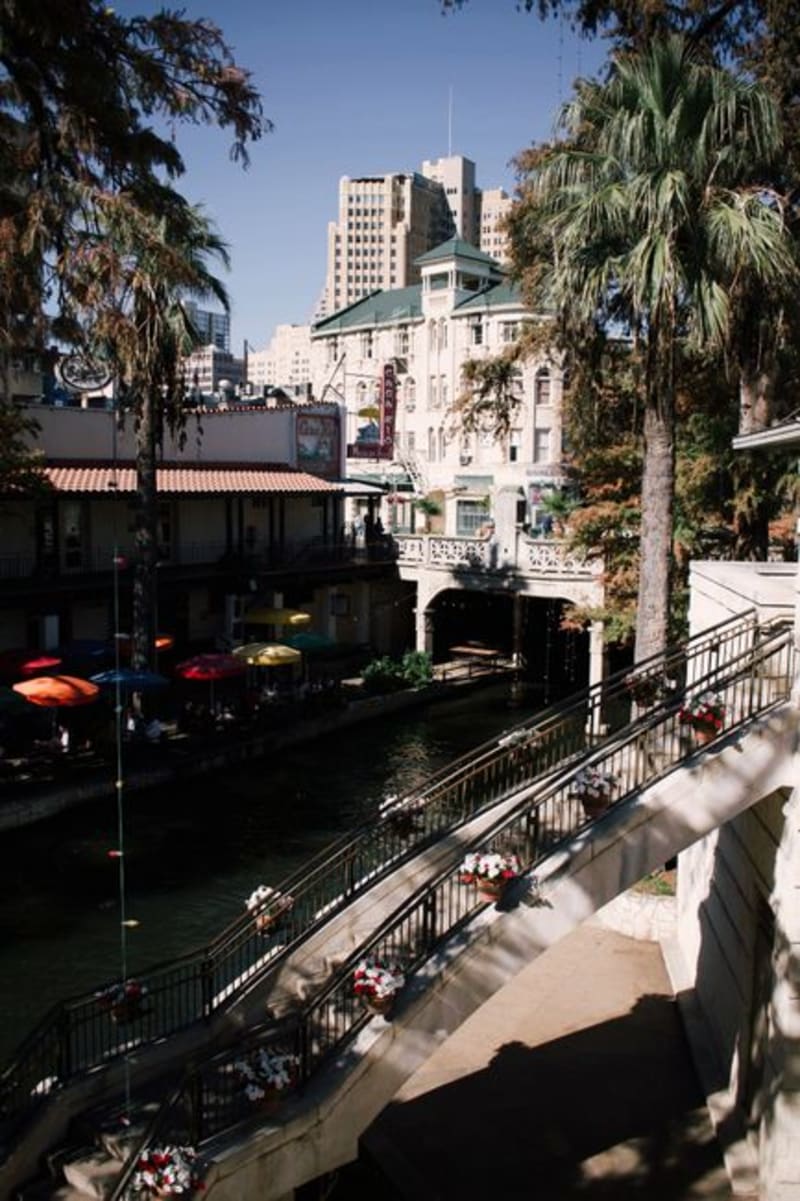
San Antonio
A Texas city where a small stone mission holds the weight of a nation's memory, and a green canal winds one level below the streets like a secret. San Antonio feels older, softer, more Mexican than the rest of Texas, and we fell for it fast. It is a city that knows how to sit in the shade.
Explore united-states
Wimberley
A Hill Country village of cypress-shaded creeks and a handmade town square, tucked between Austin and San Antonio in the heart of Texas wine and swimming-hole country. Lia and I came for a single afternoon and stretched it into three, unable to leave the water.
Explore united-states
San Marcos
A Hill Country college town built around one of the clearest spring-fed rivers in Texas, where tubers drift lazily past century-old cypress trees. Lia and I meant to stop for an hour on our way to Austin and stayed the whole afternoon, wet-haired and sunburned, refusing to get back in the car.
Explore united-states
Austin
Live music, breakfast tacos, and a tech-meets-weird-Texas energy that no other American city can replicate.
Explore united-states
Waco
A once-overlooked Central Texas city reborn as a pilgrimage site for home renovation fans, its riverside downtown now humming beneath the shadow of Baylor's green campus. Lia and I came half-joking about the Fixer Upper effect and left won over by the Brazos River and the barbecue.
Explore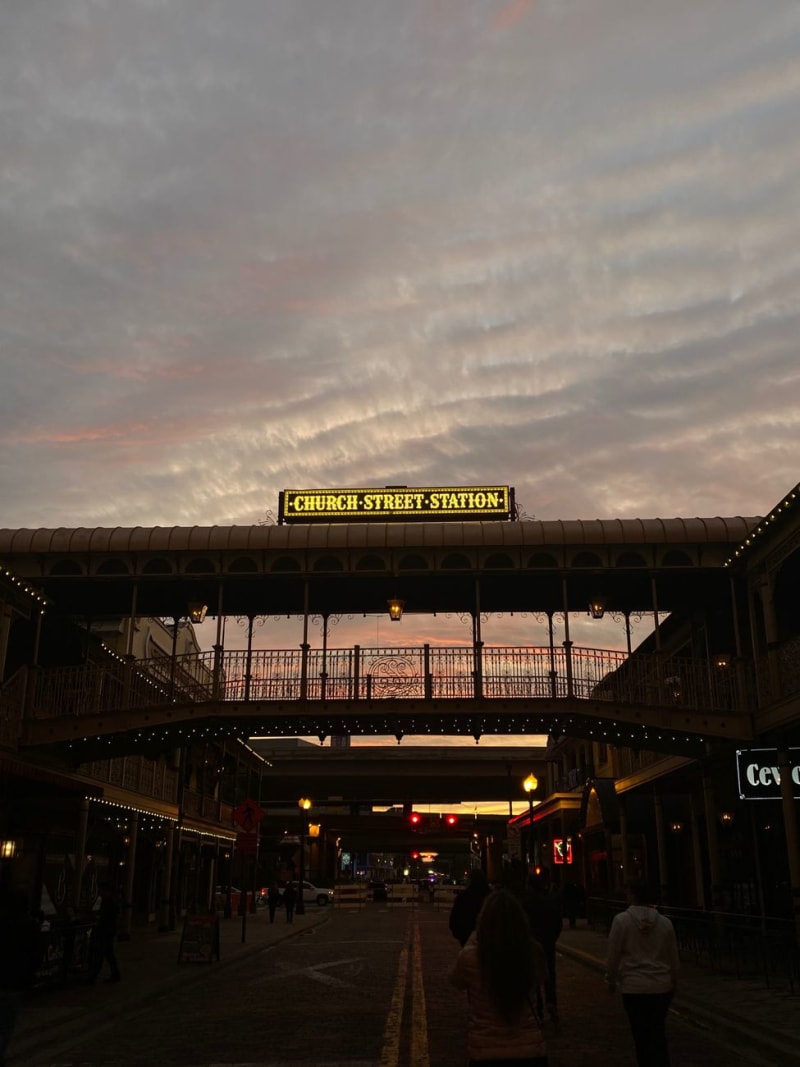 united-states
College Station
A city built almost entirely around Texas A&M University, where Aggie traditions run deeper than in perhaps any other American college town. Lia and I showed up on a Saturday in maroon we didn't own and left understanding why 90,000 people pack a stadium here every fall.
Explore