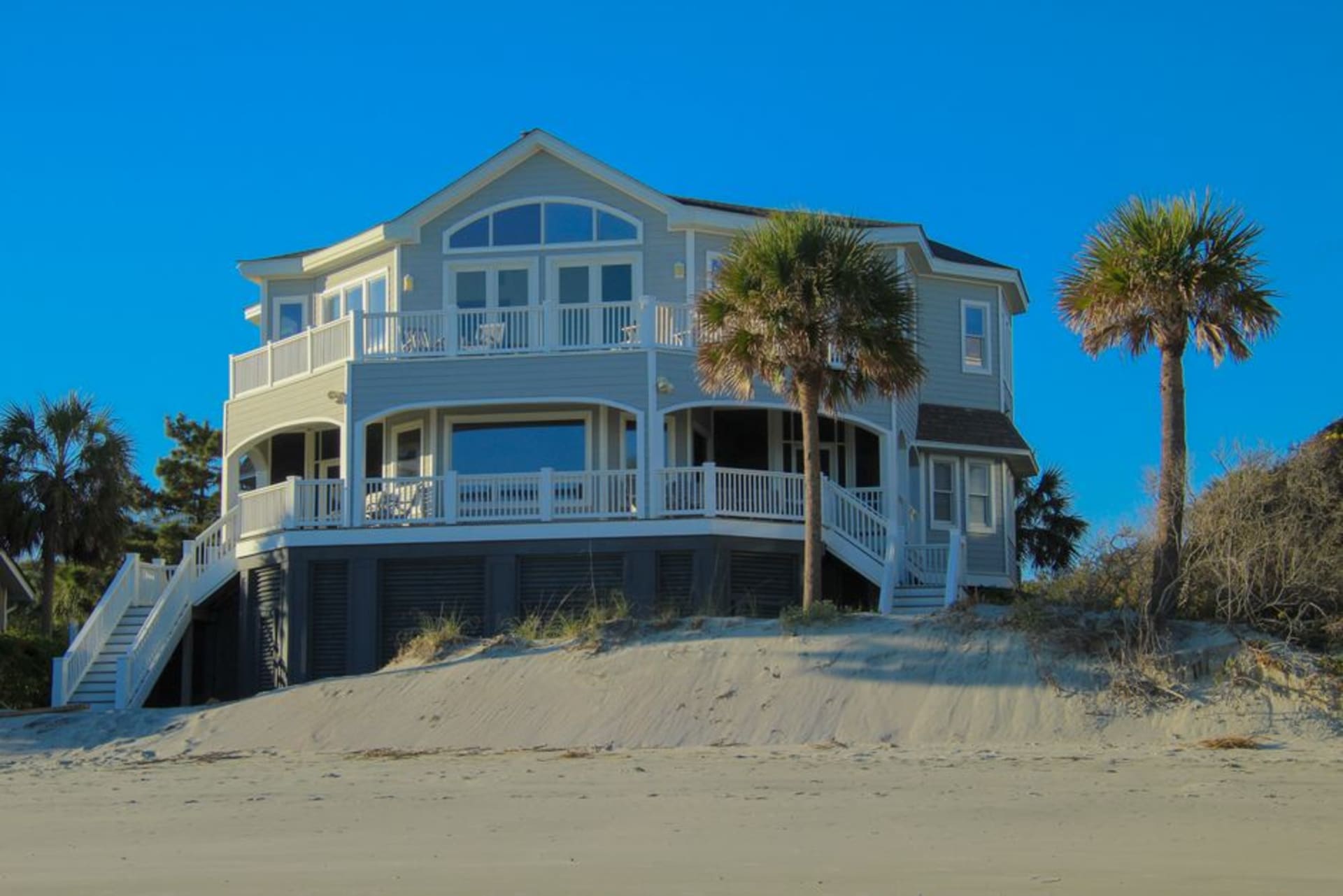
Edisto Island
"Edisto Island has resisted every wave of development that swallowed its neighbors, and you can feel that stubbornness in every unpaved shoulder."
A slow, unbridged sea island where the beach houses are still mostly single-family and the only real nightlife is the sound of the surf. Lia and I came for a weekend of shark-tooth hunting and stayed an extra day just to keep doing nothing.
The drive onto Edisto Island crosses tidal creeks and stretches of maritime forest so dense with live oak and palmetto that you half expect a gate to appear, but there isn’t one — just a two-lane road narrowing past produce stands selling boiled peanuts and tomatoes. Lia had picked Edisto specifically because it isn’t Hilton Head or Kiawah; there are no high-rises here, no golf resorts crowding the dunes, just weathered beach cottages on stilts and a single main strip of shops that closes early. It felt like arriving somewhere the 1970s never fully left.
Shark’s tooth hunting at low tide
Edisto Beach is famous, in a quiet regional way, for fossilized shark teeth that wash up constantly, a legacy of the Edisto River’s ancient bed cutting through Pleistocene-era deposits offshore. We walked the beach at low tide with our eyes down, and within twenty minutes Lia had found three teeth, small black triangles half-buried in the shell hash. An older local we passed, carrying a mesh sifter, told us the biggest ones — megalodon teeth the size of a hand — mostly turn up after storms, out past the jetty near Edisto Beach State Park.
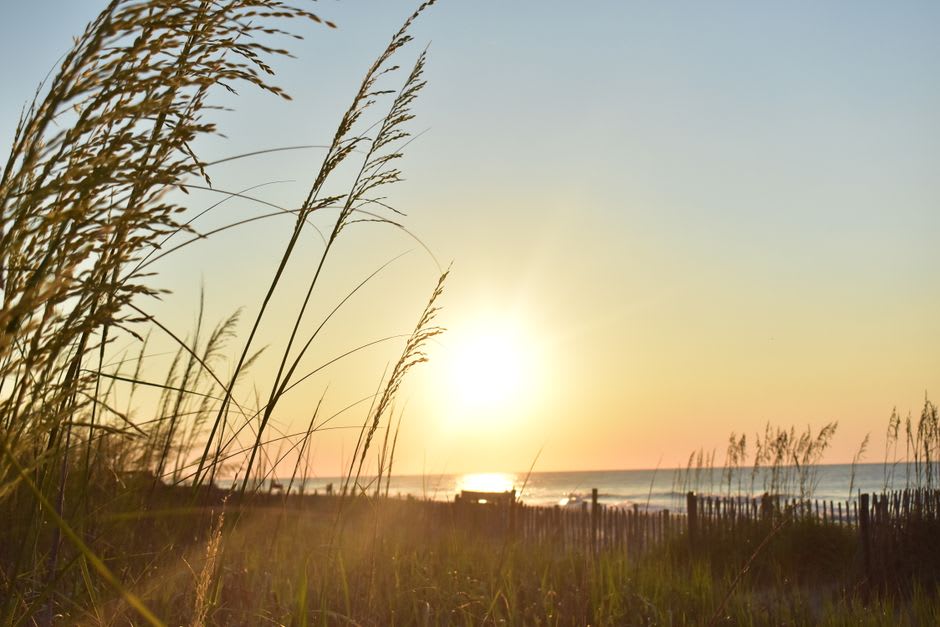
Botany Bay and the blackwater interior
Inland, Botany Bay Plantation Heritage Preserve was the other reason we came — a former Sea Island cotton plantation now managed as a wildlife refuge, its beach lined with bleached, storm-killed oak skeletons that locals call “Boneyard Beach.” We drove the loop road at dusk, past old rice fields gone to marsh and a canopy of oaks so complete it dimmed the evening light, and didn’t see another car for the better part of an hour. The island’s interior, threaded by the blackwater Edisto River, still supports some of the state’s oldest tidewater rice-plantation ruins, half-swallowed by palmetto scrub.
Getting There
Charleston International Airport (CHS) is the nearest major airport, about an hour and fifteen minutes north via Highway 17 and Route 174, the winding two-lane that leads onto the island. A car is essential — there’s no public transit and the good spots, like Botany Bay, are miles from the compact beach strip.
Keep exploring
More of South Carolina