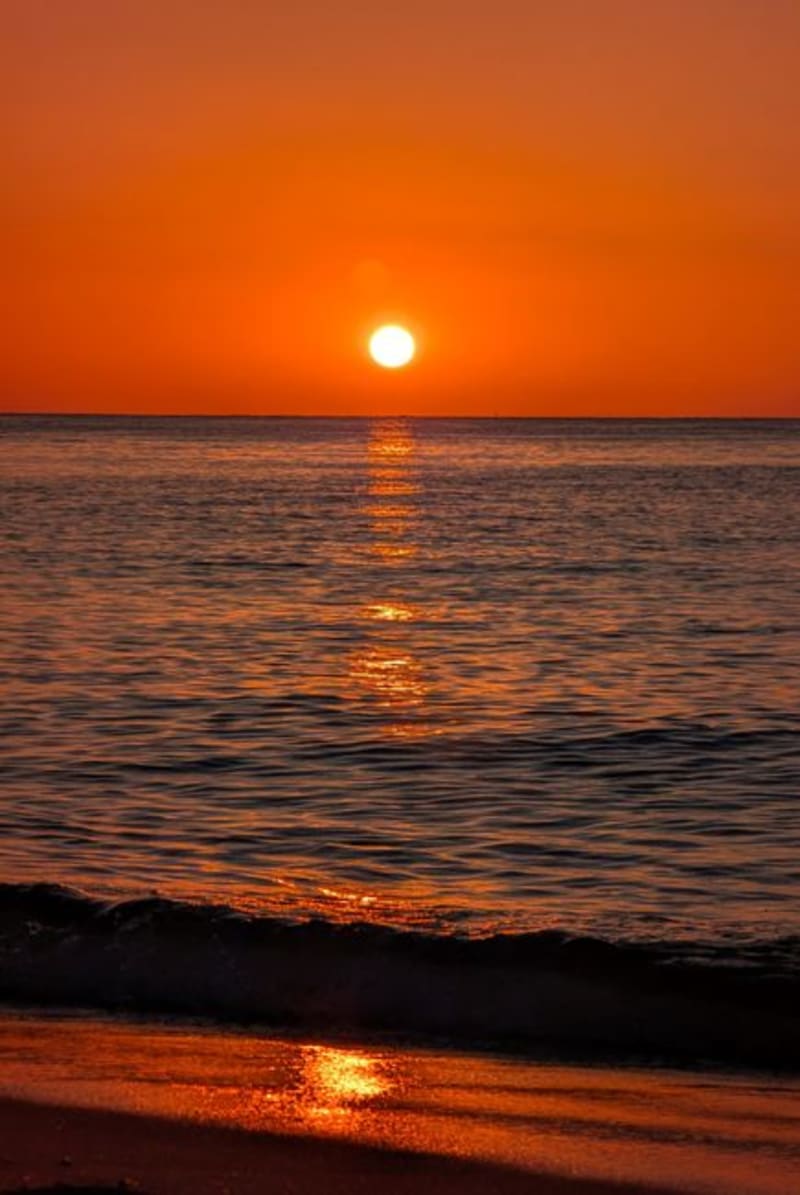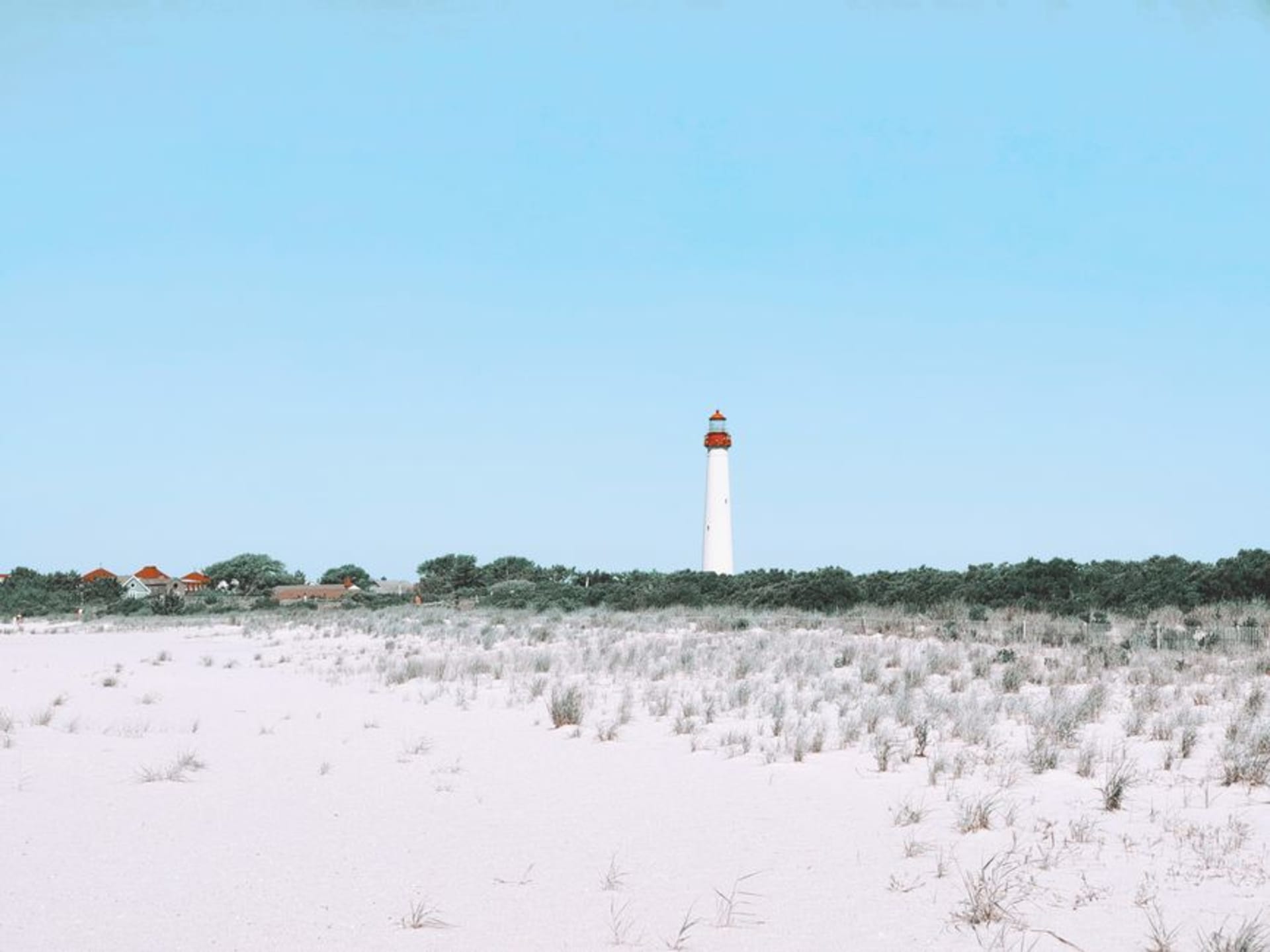
Beyond the turnpike caricature, New Jersey guards a coastline of Victorian resorts, salt marsh, and wide Atlantic beaches. The Jersey Shore holds a summer culture as beloved and enduring as any in the country.
New Jersey suffers from one of the most unfair reputations in America, forever reduced to turnpike exits and industrial haze in the popular imagination. The reality is a state of surprising variety, its dense northern suburbs giving way to the pinelands, the horse country of the interior, and above all a coastline that has anchored generations of summer memory. The Jersey Shore is not a punchline here but an institution, and one worth taking seriously.
The jewel of that coast is Cape May, a Victorian resort town at the state’s southern tip that ranks among the best-preserved seaside enclaves in the country. Its streets are lined with gingerbread-trimmed houses in candy colors, their wraparound porches looking out toward a beach where the sunrise and sunset both meet the sea. Beyond the architecture, the town is a renowned haven for birders, its position on the Atlantic flyway drawing migrating flocks and the people who follow them, and its restaurants and wineries have quietly earned a reputation of their own.
The broader shore stretches north from here in a long ribbon of boardwalks, dunes, and salt marsh, each town carrying its own flavor from the raucous to the genteel. Inland, the Pine Barrens preserve a wild, sandy forest larger than some national parks, a reminder that the nation’s most densely populated state still shelters genuine wilderness within an hour of its cities.
To appreciate New Jersey is to look past the caricature and toward the shoreline that its own residents cherish so fiercely. Whether you come for a pastel porch in Cape May or the simple ritual of a boardwalk evening, the state offers a warmth and a sense of place that its outside reputation never manages to capture.