Grand Island
"For two weeks every March, Grand Island becomes the loudest, most crowded runway on the continent — and none of the travelers are human."
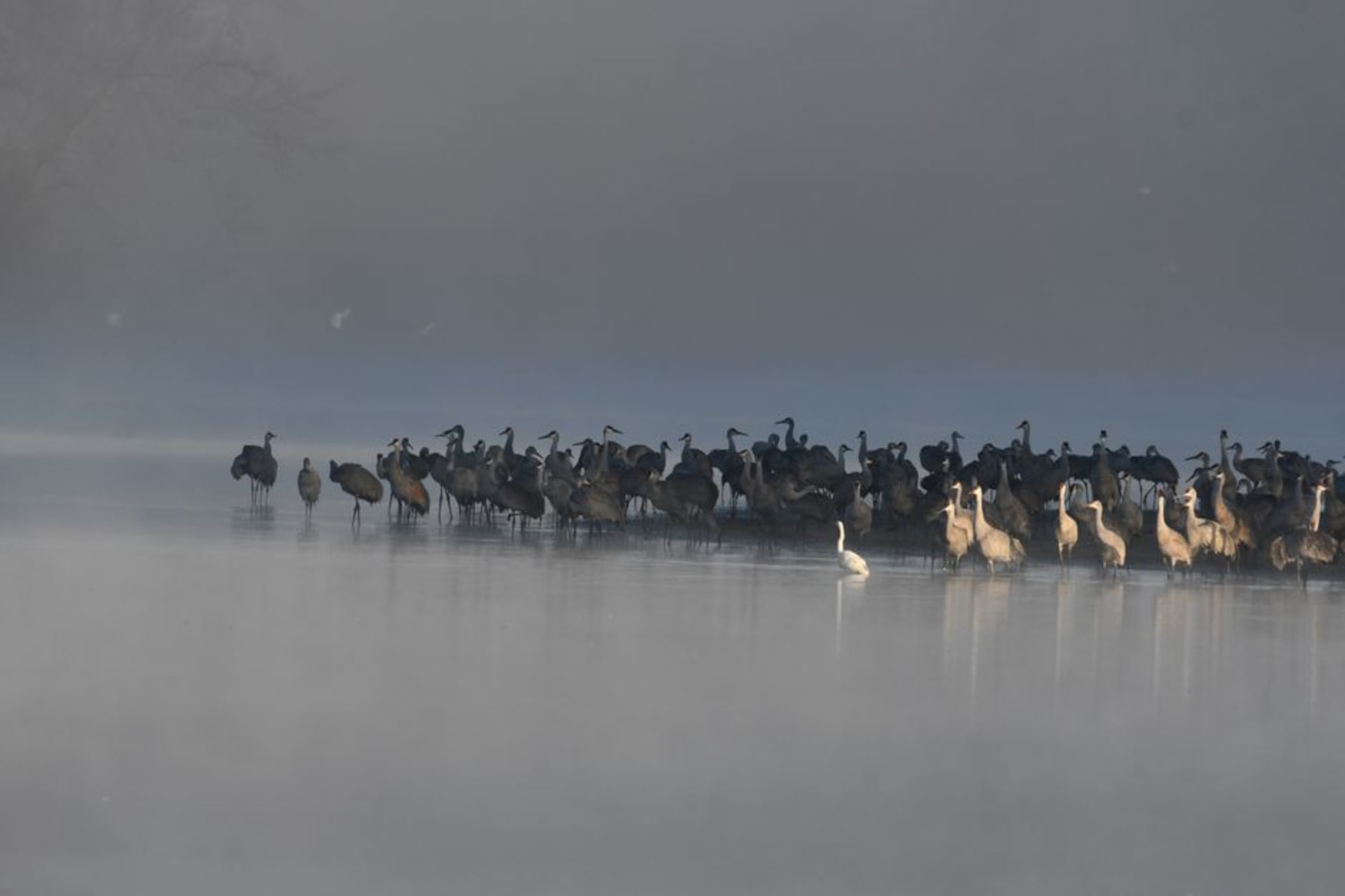
A railroad town on the Platte where half a million sandhill cranes stop every spring, close enough to touch. Lia and I stood on a riverbank at dawn in a blanket of fog and watched the sky fill with wings, and I've never quite recovered from it.
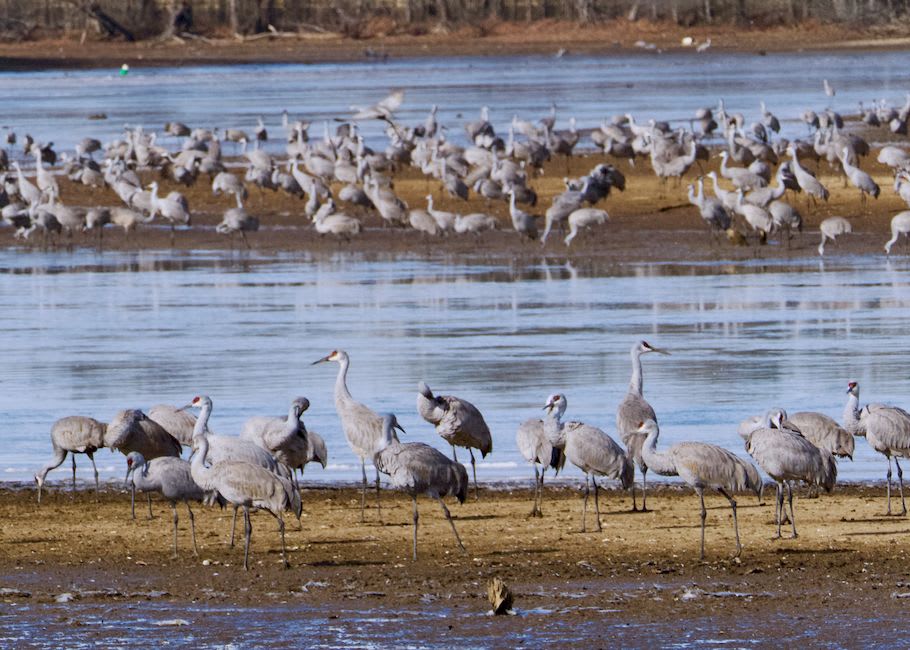
We’d driven up from Kansas specifically for the cranes, and even having read every warning about how overwhelming it is, nothing prepared Lia and me for that first sound at first light — a low, rolling clatter that seemed to come from the river itself before we could see a single bird. Grand Island sits where the Platte widens into braided channels and sandbars, and every spring nearly eighty percent of the world’s sandhill crane population funnels through this stretch on its way to Canada and Siberia. The town itself is unshowy, a working rail and agriculture hub of about fifty thousand people, but for those few weeks in March it becomes one of the great wildlife spectacles in North America, and almost nobody outside the birding world seems to know it.
The river blinds before sunrise
We booked a spot in one of the riverside blinds run out of the Crane Trust, which meant waking at 4:30 and creeping into a plywood shelter in total darkness while thousands of cranes still murmured on the sandbars just beyond the reeds. As the sky went from black to gray, the shapes resolved — gray-brown bodies packed shoulder to shoulder for what looked like a mile in either direction — and when they finally lifted, it happened in waves, hundreds at a time, wingbeats slapping the cold air. Lia gripped my arm the whole time and didn’t say a word until we were back in the car.
Stuhr Museum and the town beyond the birds
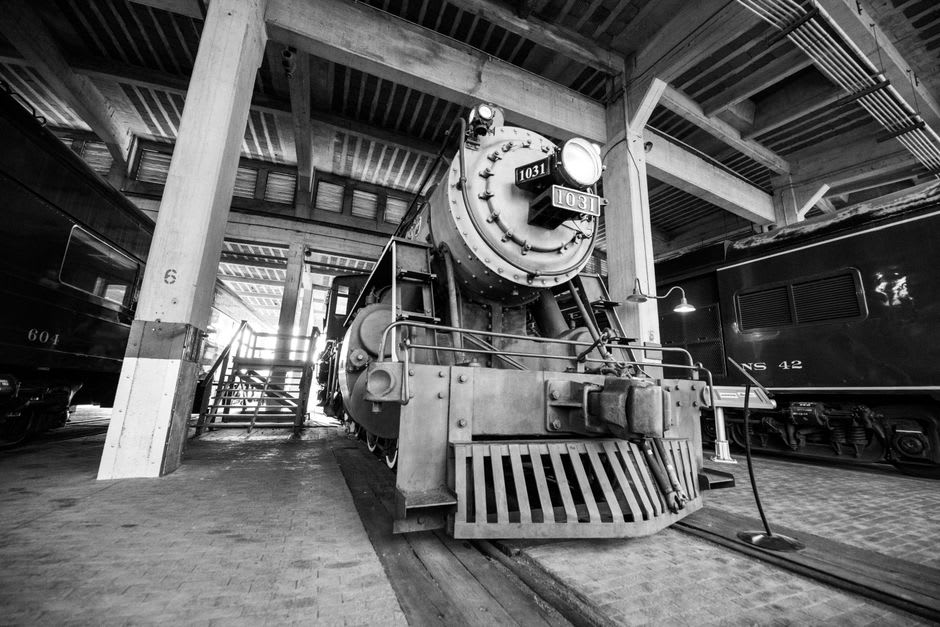
Once the adrenaline wore off, we spent an afternoon at the Stuhr Museum of the Prairie Pioneer, a sprawling outdoor complex where an entire 1890s railroad town has been reassembled building by building — a depot, a church, a blacksmith shop, all moved here from around the county and left to weather honestly rather than get restored into something fake and shiny. Grand Island grew up as a Union Pacific division point, and that railroad DNA is still visible downtown, where brick warehouses back up to active tracks and the trains still rumble through on schedule, long horns rolling out over the crane roosts at dusk like a second, man-made migration call.
Getting There
Grand Island has its own small regional airport (GRI) with limited connections through Denver, but most visitors fly into Omaha (OMA) or Lincoln and drive roughly two and two and a half hours west on I-80. A car is essential — the crane blinds and viewing sites are scattered along back roads outside town, and there’s no way to reach them otherwise. If you’re coming for the migration, book blind reservations weeks ahead; the good ones sell out fast.
Keep exploring
More of Nebraska