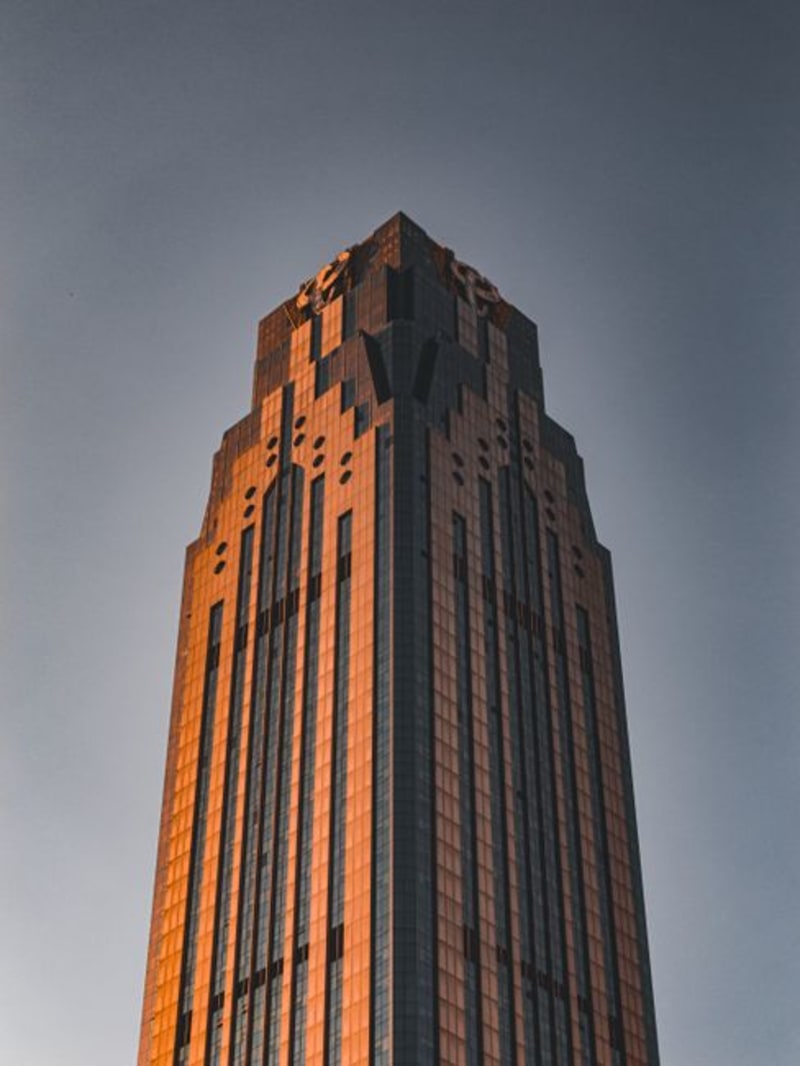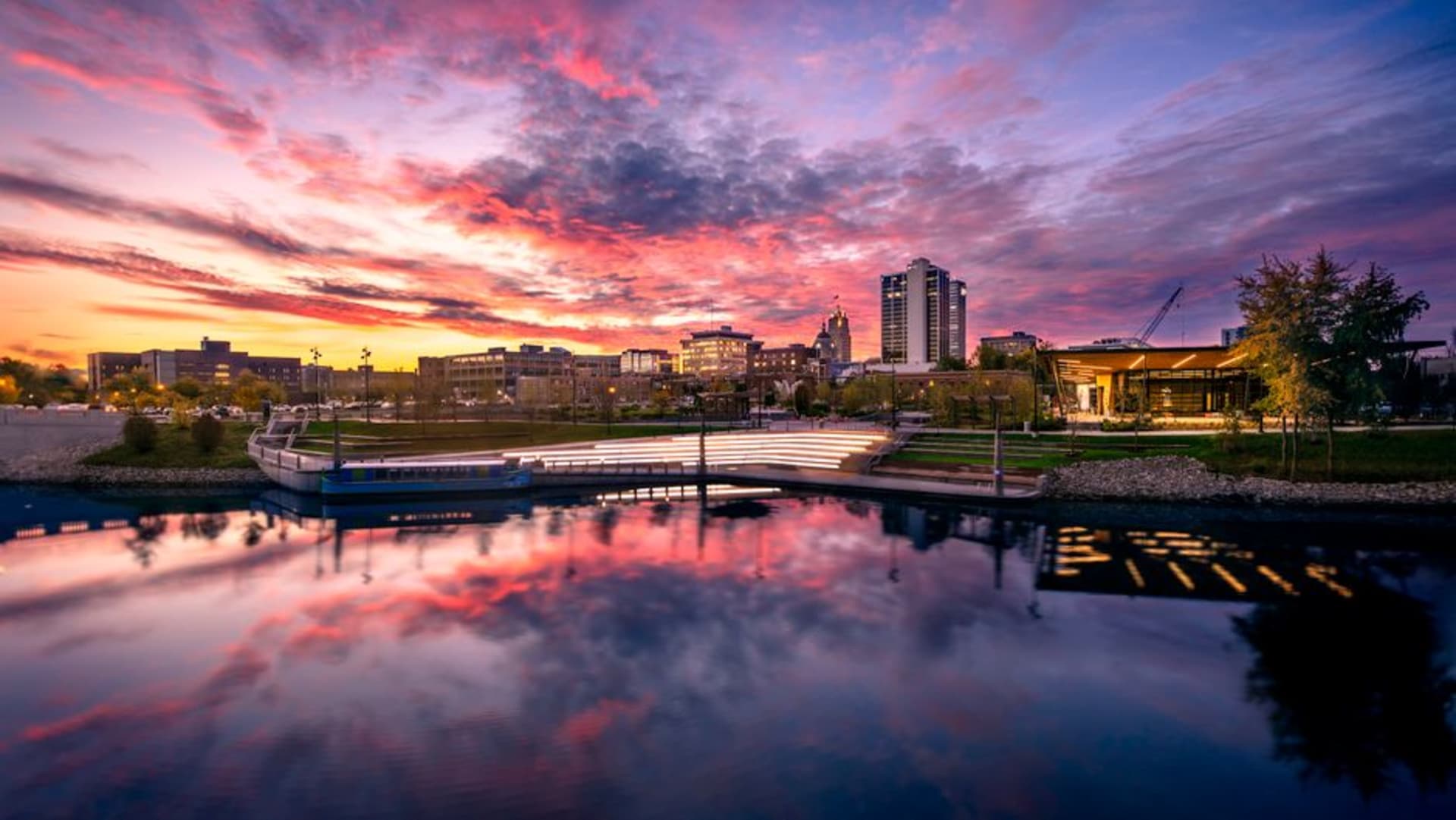
Beneath an enormous prairie sky, Nebraska spreads out in grasslands, river valleys, and a surprisingly lively river city. It is a state that reveals its charms to those willing to slow down and read the subtler grain of the plains.
Nebraska is a state that rewards the patient traveler, one willing to look past the interstate blur and into the genuine character of the Great Plains. Its landscape unfurls in long swells of grassland and cropland beneath a sky that seems to occupy most of the world, broken by cottonwood-lined rivers and the occasional rise of sandhills. This is country that shaped the pioneer imagination, and its wide, unhurried horizons still carry that sense of possibility.
The state’s cultural anchor is Omaha, a river city on the Missouri that has quietly built one of the more appealing downtowns in the region. Its restored warehouse district, the Old Market, buzzes with restaurants and galleries housed in handsome brick buildings, while a celebrated zoo and a serious commitment to the arts give the city a depth that catches many visitors off guard. Omaha makes an easy case that the plains produce more than agriculture, and that Midwestern cities can be both livable and genuinely fun.
Beyond the city, the pleasures of Nebraska are subtler and more elemental, found in the migration of sandhill cranes along the Platte, the emptiness of the western ranchland, and the small towns that punctuate the highways with grain elevators and grateful diners. It is a landscape that asks you to recalibrate, to find drama in scale and light rather than in obvious spectacle, and it repays that shift in attention generously.
To travel through Nebraska is to be reminded that flyover country is a matter of perspective, not fact. The state does not clamor for attention, but its river-city energy and its immense, luminous prairie leave a lasting impression on anyone who takes the time to actually stop. It is, in the end, a place defined less by landmarks than by mood.