
Art Deco architecture, Cuban coffee, and a Latin energy that makes Miami feel like its own separate republic.

There is a specific quality of light in Miami that I have not found anywhere else — a brightness that feels almost confrontational, bouncing off the white and coral and seafoam facades of Ocean Drive until the whole street seems to generate its own glow. I arrived here expecting a beach city. What I found was something closer to a country.
Ocean Drive and the Art Deco District
Lia and I spent our first morning walking the length of Ocean Drive from 5th Street up to the Carlyle, nursing cafecitos we bought through a ventanita on Calle Ocho — tiny paper cups of espresso so dense and sweet they felt less like coffee and more like a declaration. The Art Deco buildings are absurdly photogenic in a way that somehow never gets old: the porthole windows, the racing stripes in pastel pink and mint, the neon signs that start humming to life around dusk. The Versace Mansion sits mid-block on Ocean Drive like it wandered in from another era entirely and decided to stay. I stood in front of it for longer than I care to admit.
Little Havana After Dark
The unexpected discovery came on our second night, when we drifted west of downtown and ended up at a domino table in Máximo Gómez Park — Domino Park, as everyone calls it — sometime around nine in the evening. We had not planned to be there. A man named Eduardo invited me to watch a game with a wave of his hand, and for the next hour I sat in the humid night air while four retirees slapped tiles down with the focused intensity of chess grandmasters. Miami’s Latin identity is not decorative. On SW 8th Street the signage switches to Spanish entirely, the music spilling from the botanicas and cafeterias is cumbia and son cubano, and the smell of slow-roasted pork from the Cuban restaurants drifts across the sidewalk all evening long.
The Water, Always the Water
No visit makes sense without the water. We crossed the MacArthur Causeway to South Beach twice, watching the bay flash beneath us — that impossible turquoise-green of Biscayne Bay that looks digitally enhanced until you realize it is simply real. The Atlantic side of South Beach is rougher and louder, but early morning, before ten, the beach is calm enough to hear the waves properly. That is Miami at its best: briefly quiet, enormous, still a little wild at the edges.
When to go: November through March offers the most bearable heat and humidity, with clear skies and temperatures in the mid-20s Celsius — ideal for walking the Art Deco District and spending long hours outside. Avoid August and September if humidity is a concern; hurricane season peaks then and the air sits heavy and close.
Keep exploring
More of Florida
Keep exploring
More from Florida
 united-states
Fort Lauderdale
The self-styled 'Venice of America,' where 165 miles of navigable canals wind past yachts and backyard docks alike, only minutes from a beachfront that shed its old spring-break reputation years ago. Lia and I toured it the only sensible way we could think of: by water.
Explore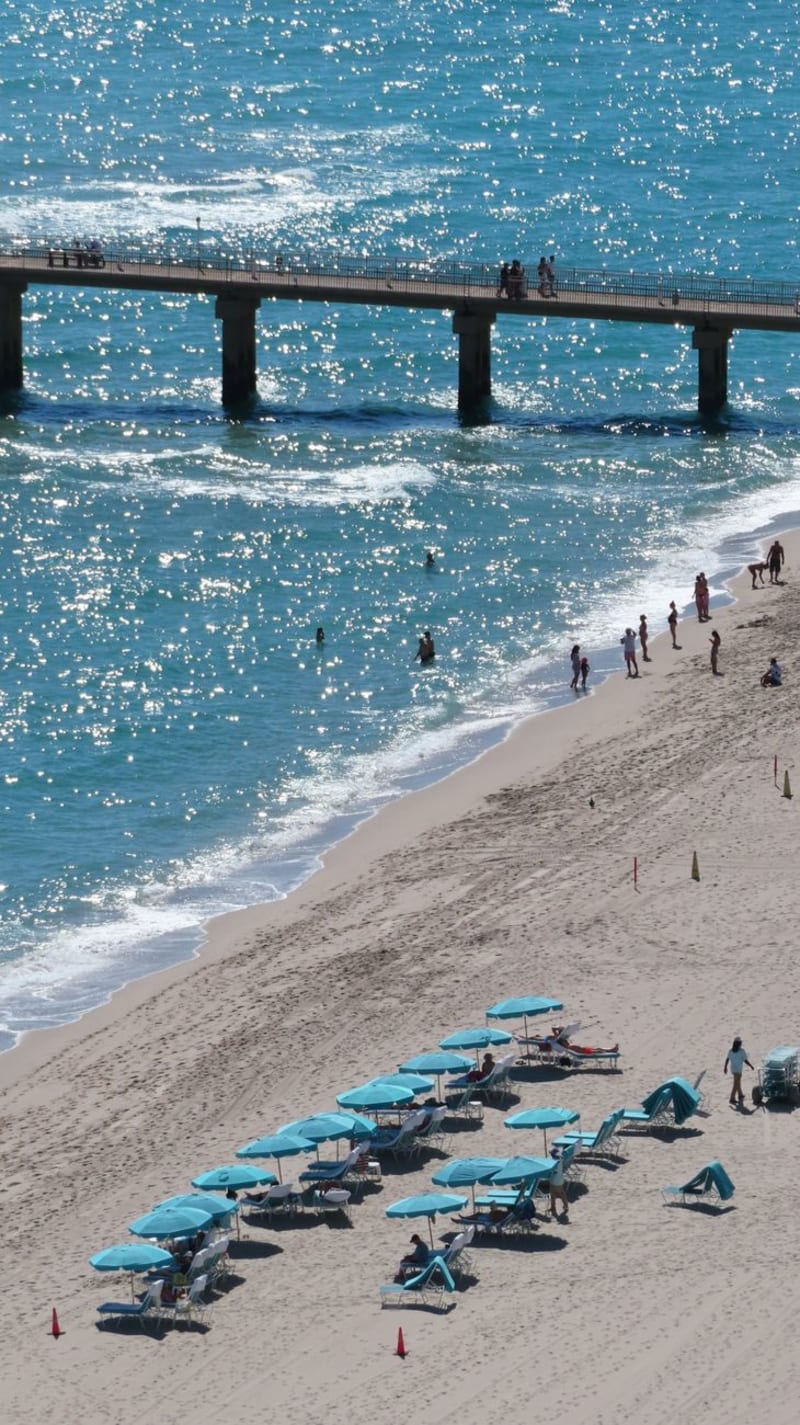 united-states
Boca Raton
A palm-lined South Florida city of pink Mediterranean-Revival buildings, manicured golf courses, and a public beach with genuinely turquoise water. Lia and I wandered the old Mizner architecture at dusk and swam the next morning before the heat set in, torn between the polish and the shoreline.
Explore united-states
Everglades National Park
A river of grass flowing slowly to the sea, home to alligators, manatees, and a silence hard to find elsewhere.
Explore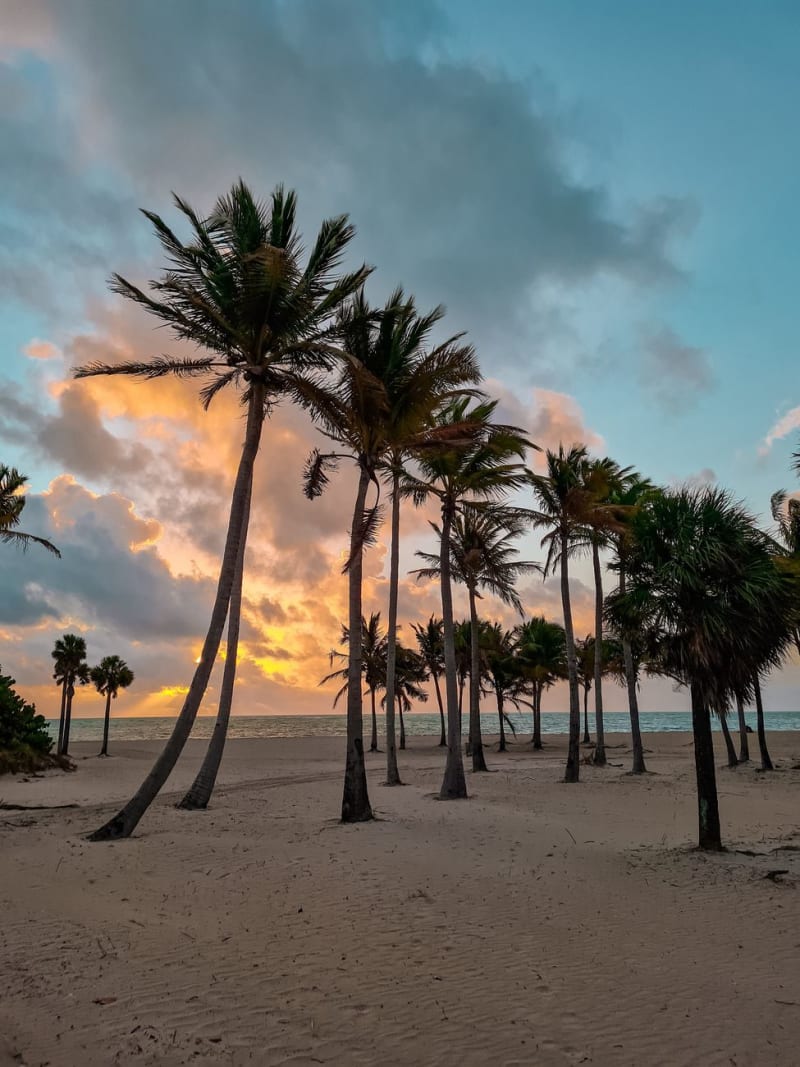 united-states
West Palm Beach
A palm-lined South Florida city that lives happily in the shadow of glitzy Palm Beach across the Intracoastal, with its own thriving downtown, waterfront parks, and a slower, less gilded charm. Lia and I found ourselves preferring this side of the bridge, coffee in hand, watching the yachts drift by.
Explore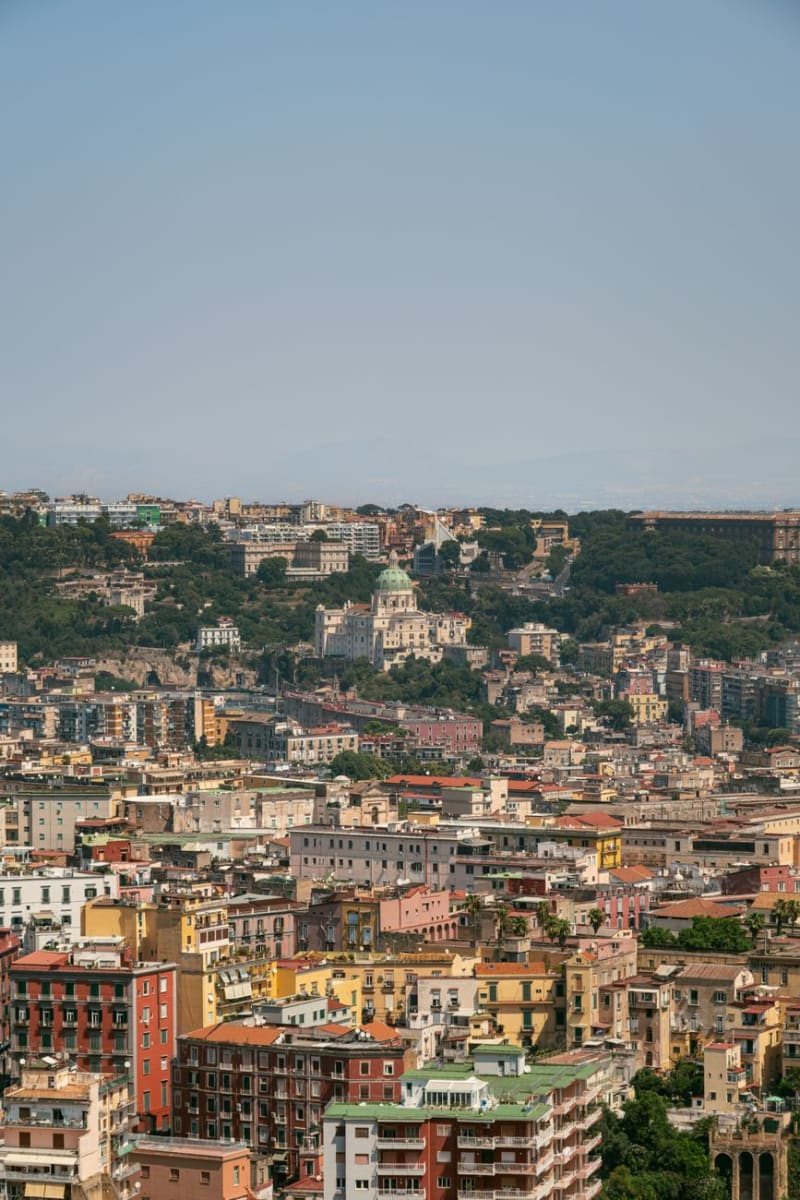 united-states
Naples
A palm-lined Gulf Coast city of white sand and old-Florida wetlands, where the manicured calm of Fifth Avenue South gives way, ten minutes inland, to alligators sunning in a cypress swamp. Lia and I split our days evenly between the two, never quite deciding which version of Naples we preferred.
Explore united-states
Key West
The last island at the end of the Florida Keys, closer to Cuba than to Miami, all pastel gingerbread houses, roaming roosters, and a nightly cult of the sunset. Lia and I drove to the very end of the road in America and found a town that refuses, gloriously, to take anything too seriously.
Explore