Europe
Ukraine
"The country that refuses to be simple, and earns every complication."
I arrived in Lviv on a sleeper train from Warsaw, stepped onto the platform before dawn, and walked out into a city that looked like someone had lifted a Viennese side street and dropped it into a different century entirely. The cobblestones, the ornate facades, the smell of coffee drifting from a café that had probably been serving the same blend since 1890 — none of it matched what I thought I knew about Ukraine. That gap between expectation and reality is the defining experience of traveling here, and it never quite closes.
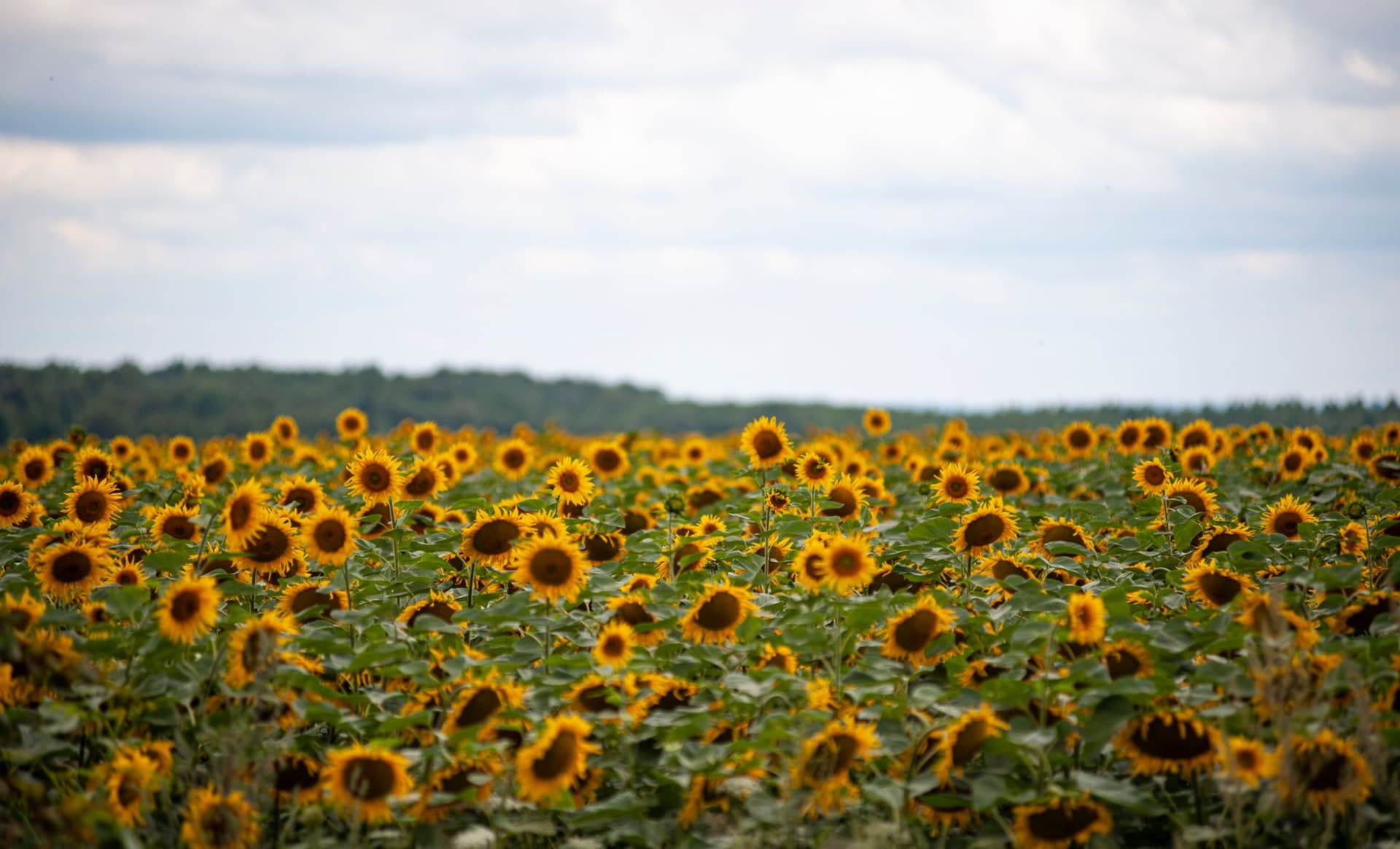
Lviv is the easy starting point and the one that tends to ruin everything else for you. The old town is a World Heritage Site, but it wears that status lightly — the churches are still being prayed in, the market squares are still being lived in, the coffee houses still treat the ritual of an afternoon espresso as a serious philosophical position. The food scene runs deep: borscht prepared with the kind of attention that makes you understand why people argue about the recipe, varenyky stuffed with potato and farmer’s cheese and served with sour cream, deruny potato pancakes fried until the edges go crackling and gold. I ate badly nowhere in Lviv, which is more than I can say for most cities I’ve visited in Western Europe at twice the price. Beyond the city, the Carpathian Mountains begin — green and unhurried and full of wooden churches that predate almost everything I’ve seen in the Alps. The sunflower fields between the villages in summer are the kind of thing you see once and never fully explain to anyone at home.
Kyiv is a different scale entirely: a capital built for ambition, with golden-domed monasteries above the Dnipro river, wide Soviet boulevards that somehow still feel human at street level, and a food and art scene that had been rewriting itself with furious energy for years. The Podil neighborhood, the Andriyivsky Descent lined with artists and vendors, the covered market at Bessarabska — Kyiv had learned how to be interesting long before the world started paying attention.
When to go: May to September for warmth and the full bloom of the countryside. Late May and early June hit the sunflower fields in the south and west at their peak. September brings cooler days and emptier roads. Winter is harsh but Lviv in snow, with Christmas markets in the main square, is one of the more beautiful things I’ve seen in Europe.
What most guides get wrong: They treat Ukraine as a country defined entirely by its current conflict or its Soviet past, and miss the texture underneath — the Austro-Hungarian legacy in the west, the Cossack history in the east, the distinctly Ukrainian culinary tradition that has nothing to do with Russian food and everything to do with soil and seasons and a people who have been feeding themselves from this land for centuries. Lviv alone is worth a week. Most guides give it a paragraph.