Umm Al Quwain
"I drove forty minutes from Dubai and landed somewhere that has decided, deliberately, not to become Dubai."
The UAE's quietest emirate, where a mangrove lagoon and a pearling-town past have survived almost entirely untouched by Dubai's skyline energy.
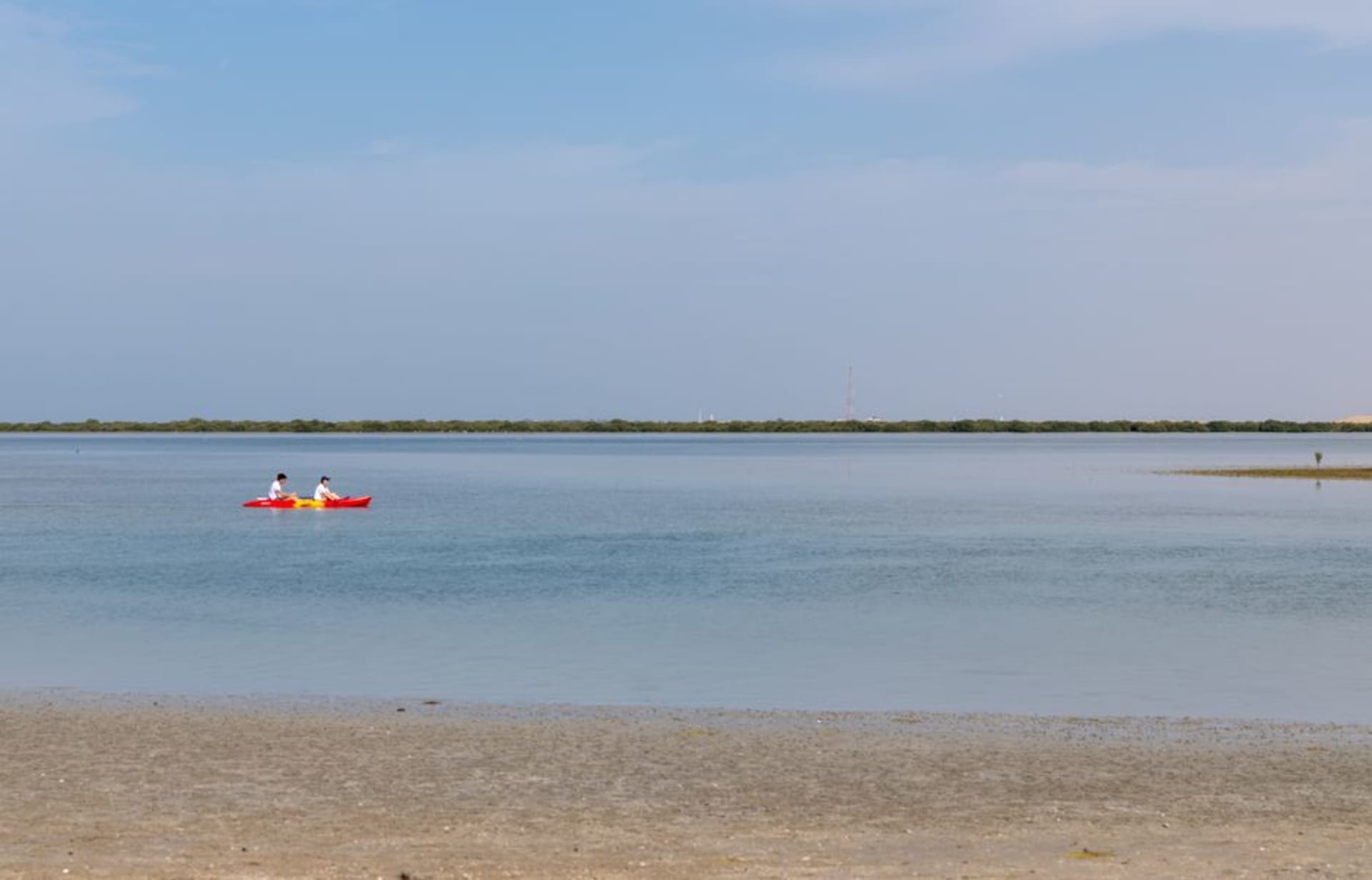
Umm Al Quwain does not try to compete, and that refusal is the entire appeal. It is the least populated of the seven emirates, wedged between Ajman and Ras Al Khaimah on the northern coast, and it has stayed that way seemingly on purpose. There is no skyline to speak of, no branded towers, no artificial islands. What it has instead is a lagoon, a scattering of old pearling buildings, and a stillness that felt almost disorienting after weeks of Dubai’s permanent hum. I remember sitting on the corniche at dusk, the only sound a handful of herons complaining to each other in the mangroves, and thinking: this is forty minutes from a city building the tallest building on earth.
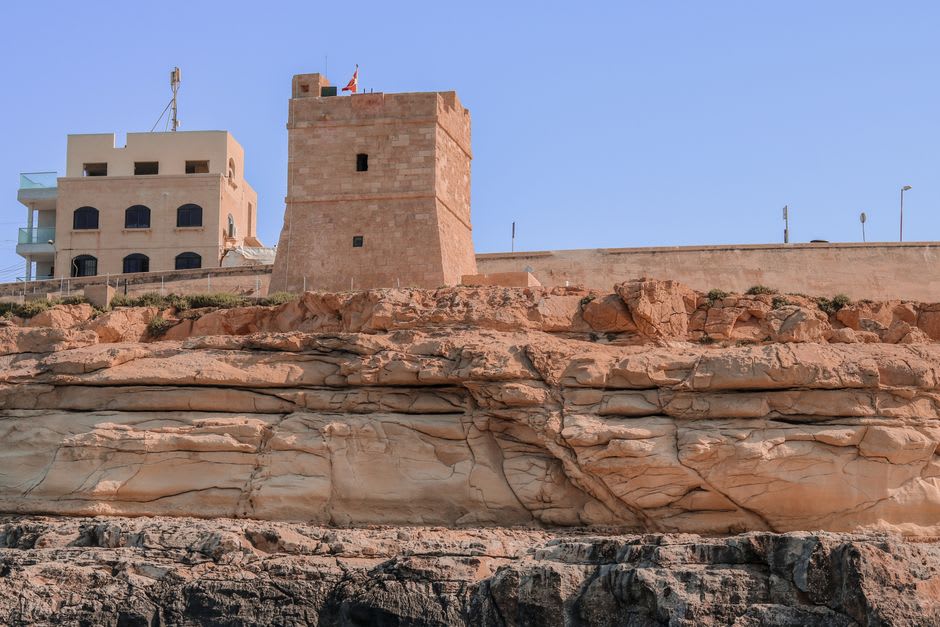
The town’s old character survives most visibly around the lagoon and the crumbling watchtowers near the fort, remnants of a pearling economy that once made this coast wealthy, long before oil rewrote everyone’s priorities. UAQ never had much oil, which is part of why it stayed small — but that same absence preserved something the bigger emirates lost, a slower, more maritime rhythm that has nothing to prove.
The lagoon and Al Sinniyah Island
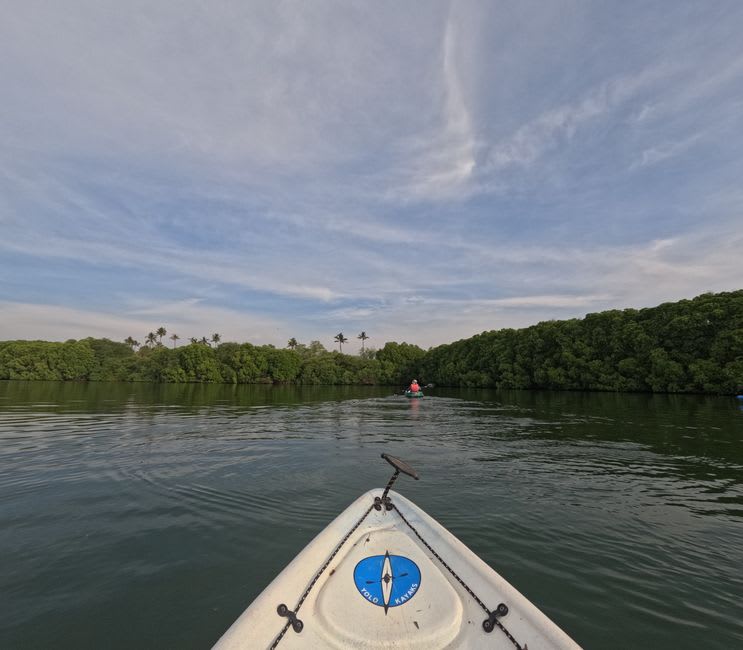
The mangrove lagoon is the emirate’s best-kept feature, a network of tidal channels lined with dense green mangroves that shelter flamingos, herons, and a healthy population of Arabian gazelle across the water on Al Sinniyah Island. I took a kayak out through the channels one still morning, and the water was so shallow and clear I could watch small rays glide beneath the hull. It is a genuinely quiet paddle — no jet skis, no crowds, just mangrove roots and the occasional splash of a fish breaking the surface.
A pearling town, still visible
Walk the old quarter near the fort and you can still trace the outline of the pearling economy that built this coast — coral-stone buildings, watchtowers positioned to spot raiders and rival divers alike, and a small museum that does not get many visitors but rewards the ones who show up. I had the whole place to myself on a Tuesday afternoon, which felt less like luck and more like the emirate’s default setting.
When to go: November to March for comfortable temperatures for kayaking and walking the old quarter. The lagoon is calmest, and best for wildlife spotting, in the early morning.