Old Dubai (Deira)
"Cross the Creek by abra and Dubai stops pretending to be a spaceship for an hour."
The historic trading-port half of the city, where the Gold and Spice Souks still operate on the Creek's north bank and wooden abras carry passengers across for one dirham.
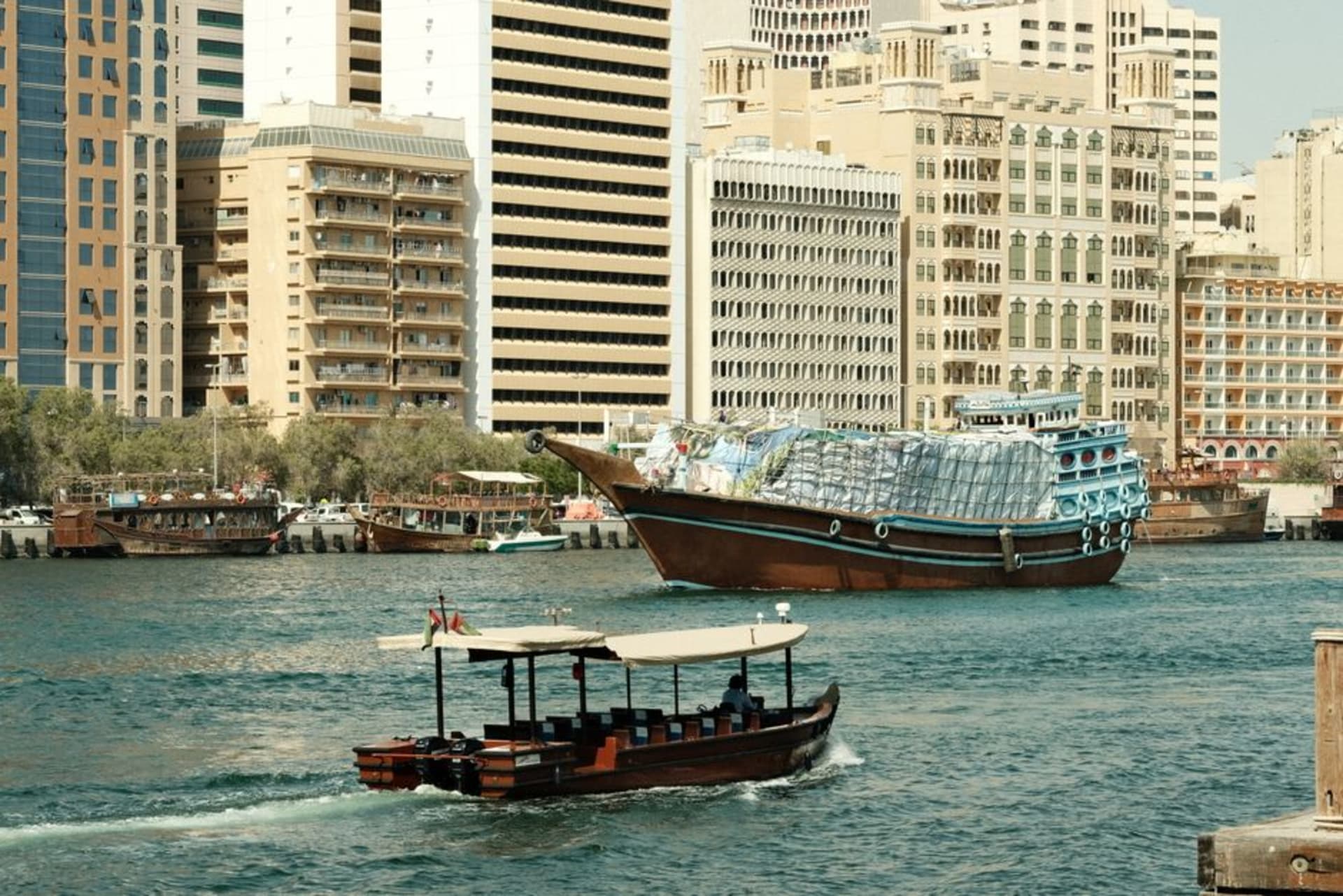
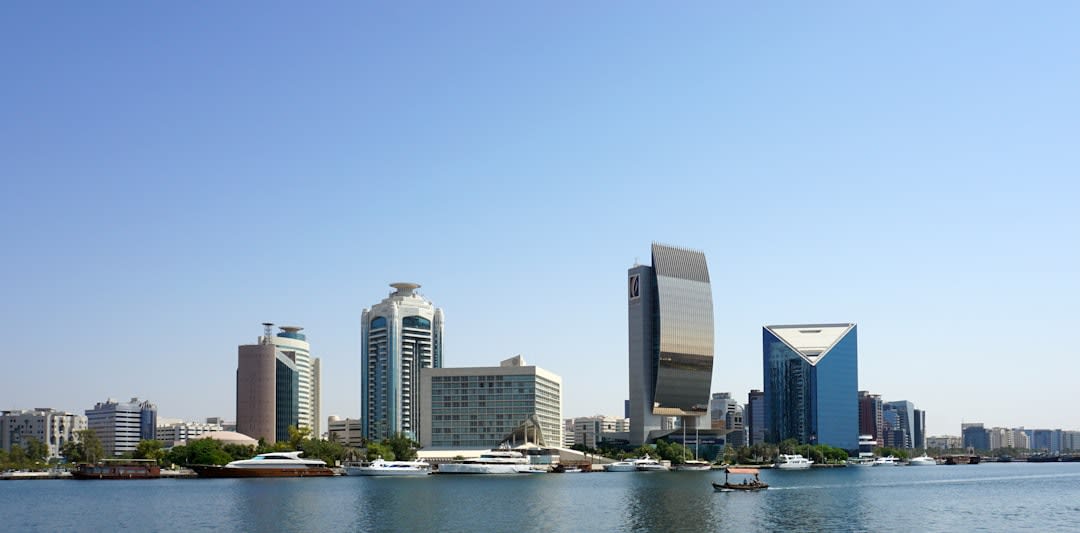
Deira is the Dubai that existed before there was a Dubai to speak of in the modern sense — a trading port on the north bank of the Creek, doing business in pearls, gold, and spices long before oil money rewired the emirate’s ambitions. I crossed over from Bur Dubai on an abra, one of the small wooden water taxis that have run this crossing for generations, paid the driver one dirham in coins he fished out of a tin can, and watched Downtown’s towers shrink behind me as the boat puttered toward Deira’s older, lower skyline. It’s a five-minute ride that feels like a much longer trip back in time.
The souks are the reason most people come, and they earn the visit. The Gold Souk is a covered lane of shopfronts glittering with more jewelry than seems physically reasonable to display at once, window after window of necklaces so elaborate they read more as sculpture than merchandise. A few blocks over, the Spice Souk hits you before you see it — sacks of saffron, dried lime, cardamom, and frankincense stacked waist-high, the smell thick enough that I found myself breathing through my mouth for the first minute out of pure sensory overload.
Trade that never really stopped
What separates Deira from a recreated “old town” elsewhere in the world is that the trading here never actually stopped to be reconstructed for visitors. Walk along the Creek itself and you’ll find working dhows, wooden cargo boats loaded by hand with everything from air conditioners to bags of rice to the roofs of small cars, bound for ports across the Gulf and the Indian Ocean. I stood for a long while one morning watching a crew of maybe six men load a dhow using nothing but a hand winch and their own backs, an operation that looked identical, as far as I could tell, to how it would have been done fifty years ago.
The vendors in the souks have a patience that comes from generations of doing exactly this. An older spice trader let me sample dried lime tea from a battered kettle he kept behind the counter, unprompted, while explaining which saffron grade was actually worth the money and which was marked up for tourists who wouldn’t know the difference. He’d inherited the stall from his father. That kind of continuity is rare enough in Dubai that it’s worth sitting with for a minute.
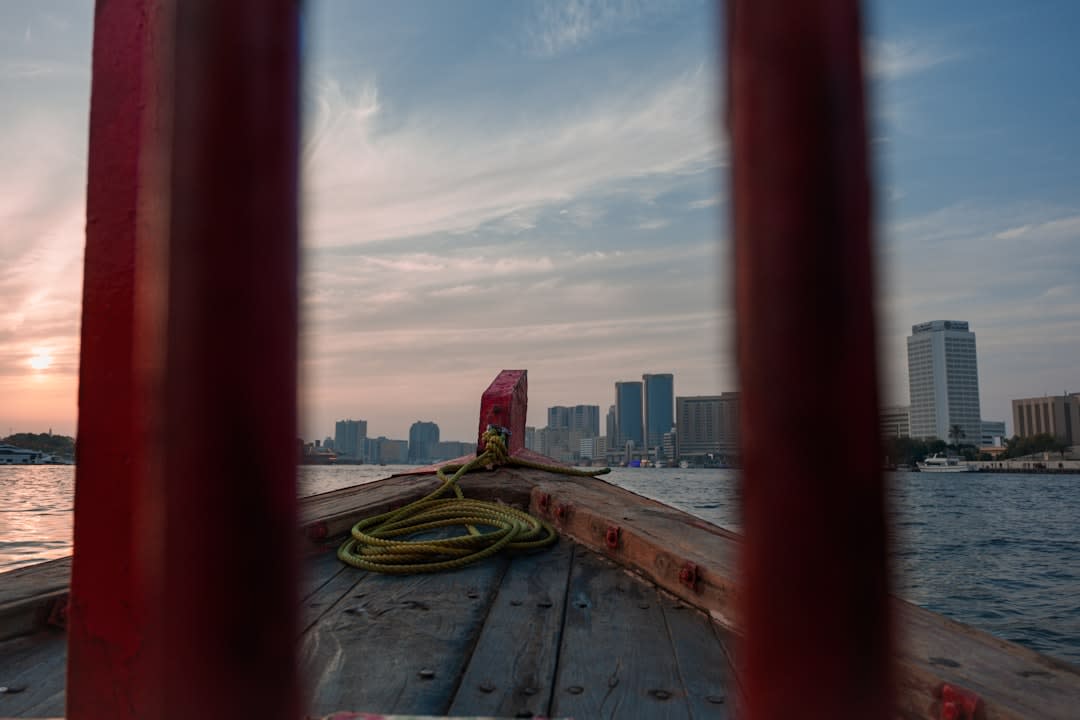
By early evening, when the heat breaks and the souk lanes fill with families doing their actual weekly shopping rather than tourists browsing, Deira feels like the most genuinely lived-in part of the city I found anywhere.
When to go: Early morning or early evening, both to dodge the heat and to catch the souks at their most active; avoid Friday mornings, when much of Deira closes for prayers.
Keep exploring
More from UAE
 uae
uae Palm Jumeirah
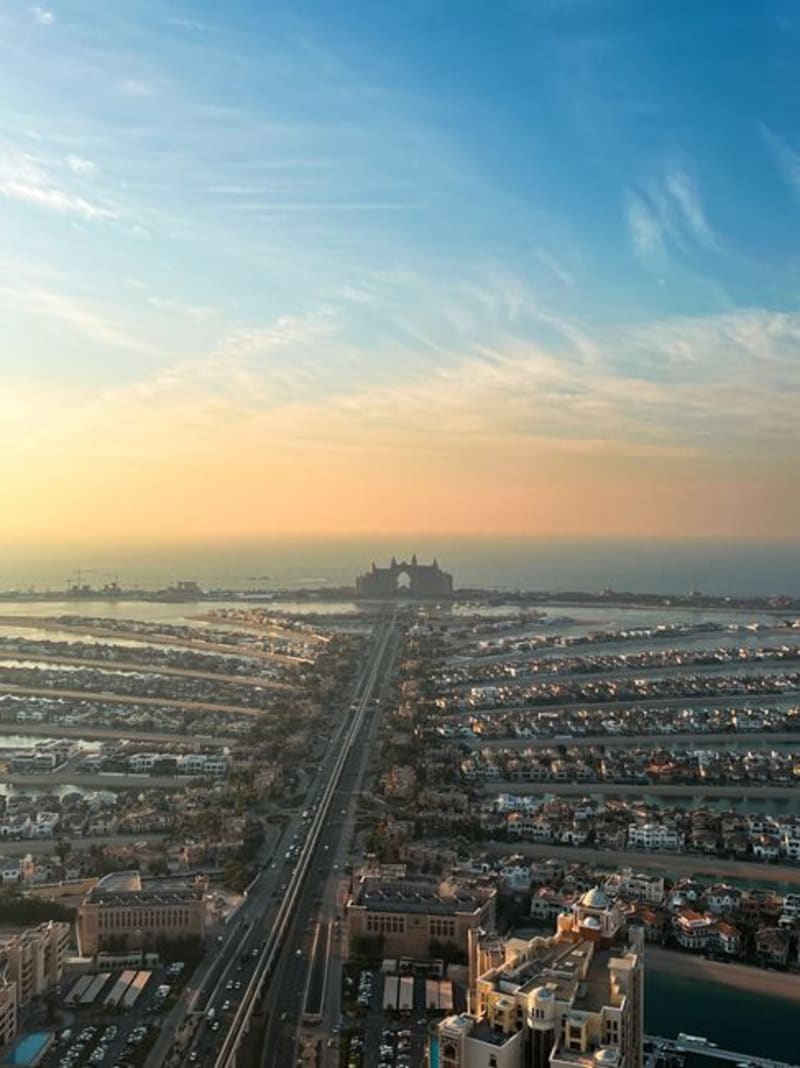
A palm-tree-shaped island built entirely from dredged sand, visible from space and impossible to fully grasp from the ground, with a monorail stitching its fronds together.
Explore uae
uae Ras Al Khaimah
The UAE's adventure emirate, where the Hajar Mountains meet desert dunes and the world's longest zipline launches from a 1,680-meter peak.
Explore uae
uae Sharjah
The UAE's cultural capital, a UNESCO-recognized emirate where Islamic art museums and heritage districts preserve the Gulf's intellectual traditions.
Explore uae
uae Sir Bani Yas
A desert island transformed into a wildlife reserve, where Arabian oryx, giraffes, and cheetahs roam a former royal retreat off Abu Dhabi's coast.
Explore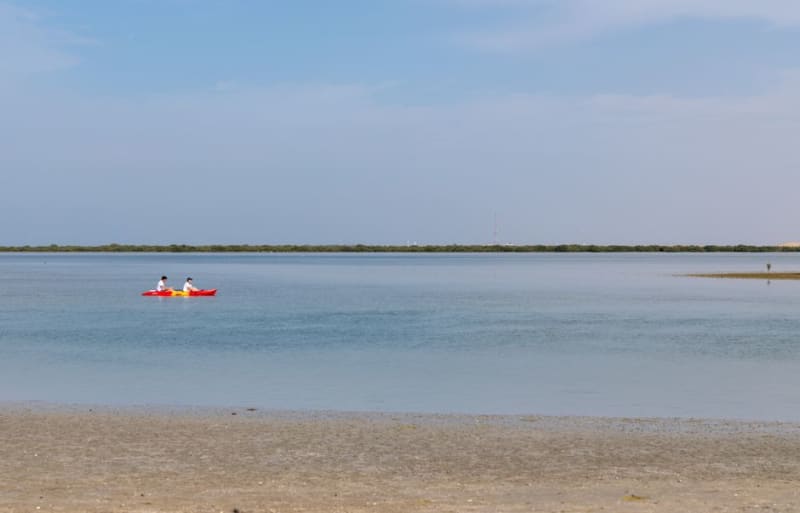 uae
uae Umm Al Quwain
The UAE's quietest emirate, where a mangrove lagoon and a pearling-town past have survived almost entirely untouched by Dubai's skyline energy.
Explore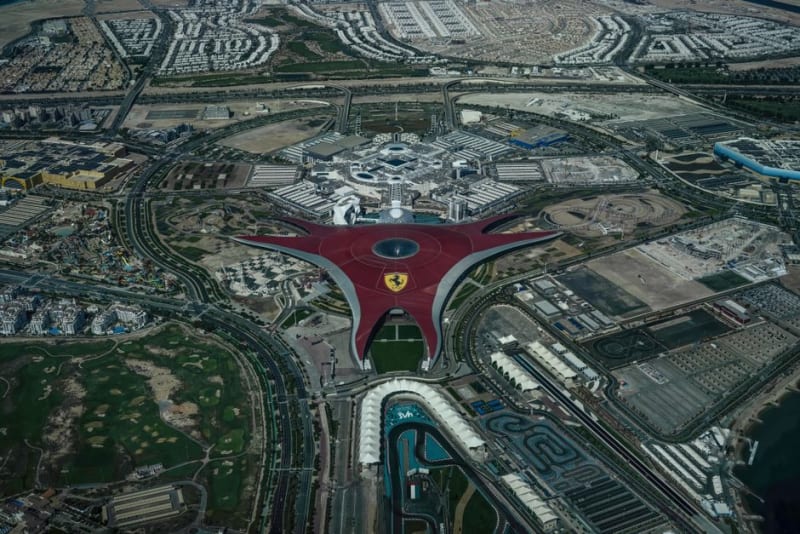 uae
uae Yas Island
Abu Dhabi's purpose-built entertainment island, home to Ferrari World, Yas Waterworld, and the floodlit Formula 1 circuit, unapologetically separate from the capital's formal center.
Explore