Dubai Silicon Oasis
"I came looking for the Dubai people warn you about and found a suburb instead."
A planned tech city of low-rise offices and residential blocks where Emiratis and expats actually live and work, far from the skyline everyone photographs.
I ended up in Dubai Silicon Oasis by accident, chasing a co-working recommendation from a French entrepreneur I’d met at a dinner in Karama. He’d moved his small logistics-software company here two years earlier and kept saying “it’s cheaper, it’s calmer, come see.” I took the metro as far as it went and then a taxi through a stretch of Dubai that never makes it into anyone’s feed — roundabouts, mid-rise apartment blocks, a strip of budget supermarkets, kids on scooters outside a school gate at pickup time. It didn’t look like a free zone built to attract semiconductor companies. It looked like a place where people actually live.
The free zone that isn’t for tourists
Silicon Oasis was launched in the mid-2000s as a designated tech and innovation free zone, offering companies full foreign ownership and tax breaks in exchange for setting up shop in a purpose-built district south of the airport. What I hadn’t appreciated until I walked it is how residential the whole thing has become. There are gated villa communities, a university campus, a mall with a cinema that was maybe a third full on a Tuesday evening, and office parks with names like “IBM Building” stenciled on the glass in a font that hasn’t been updated since 2009. My friend’s office was on the fourth floor of one of them, overlooking a parking lot and, beyond it, actual desert scrub that hadn’t been paved yet.
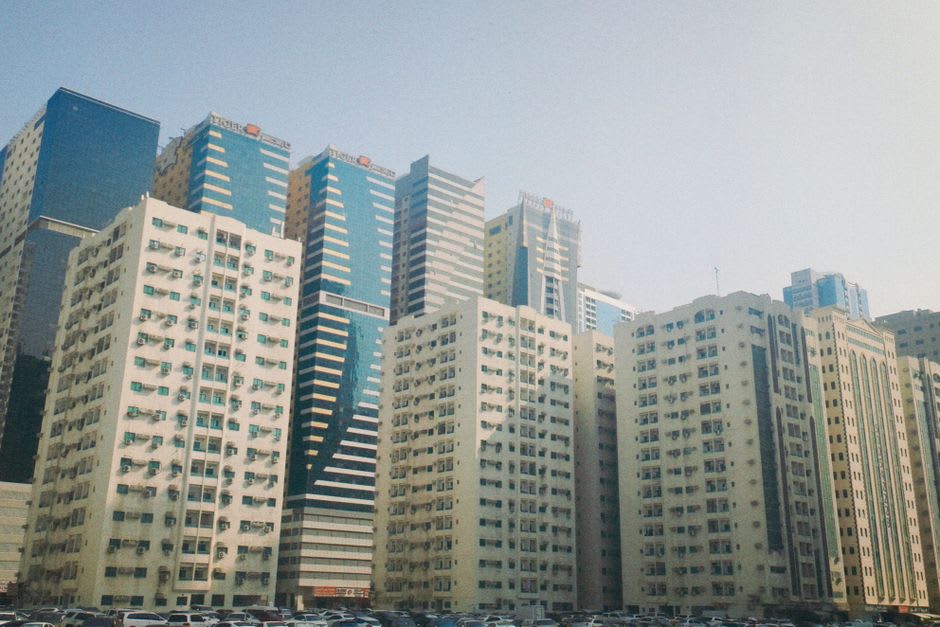
We had coffee at a shawarma place downstairs run by a Yemeni family who clearly knew everyone in the building by their order. That’s the thing about Silicon Oasis — it has the texture of a working suburb, not a spectacle. The families here are middle-income Emiratis and expat professionals from Egypt, India, the Philippines, paying rents that are a fraction of Downtown or the Marina, sending kids to the international schools nearby, driving to Ikea on weekends. Nobody is performing luxury for anyone.
What it says about the rest of the country
Spending an afternoon here reframed how I think about Dubai’s economy. The city everyone photographs — Burj Khalifa, the Palm, the fountains — is a tourism and finance engine, but places like this are where a huge share of the actual working population lives and builds things that aren’t hotels. My friend’s software team included a Jordanian, two Emiratis, a Filipino developer, and a Pakistani accountant, all commuting in from apartments within a fifteen-minute radius. It’s unglamorous in the specific way that functioning cities often are.
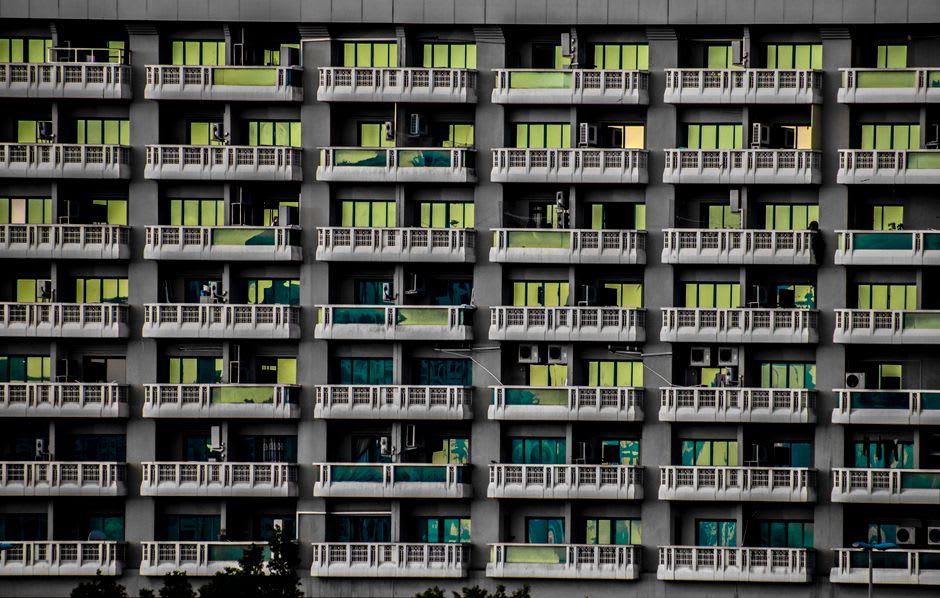
I wouldn’t send anyone here for a holiday. There’s no beach, no heritage quarter, nothing that photographs well. But if you’re trying to understand the UAE beyond the postcard version — the diversified economy the government keeps talking about in five-year plans — an afternoon in Silicon Oasis tells you more than another trip up the Burj Khalifa ever will.
When to go: Any weekday during business hours if you want to see it functioning as intended; there’s genuinely nothing to do here after dark or on Fridays, so this is a daytime, curiosity-driven detour rather than a destination in itself.
Keep exploring
More from UAE
 uae
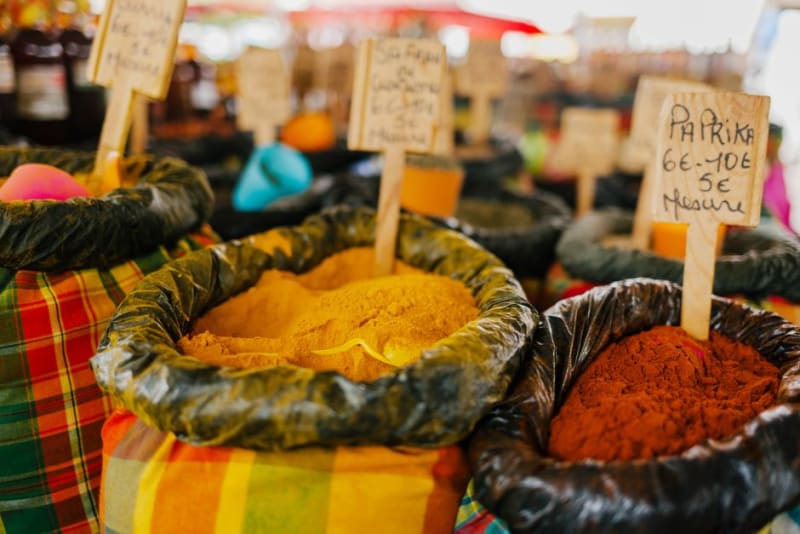
uae Dubai Spice Souk
A tangle of narrow Deira lanes stacked with sacks of saffron, frankincense, and dried lime, where the smell alone tells you you've crossed into a different Dubai entirely.
Explore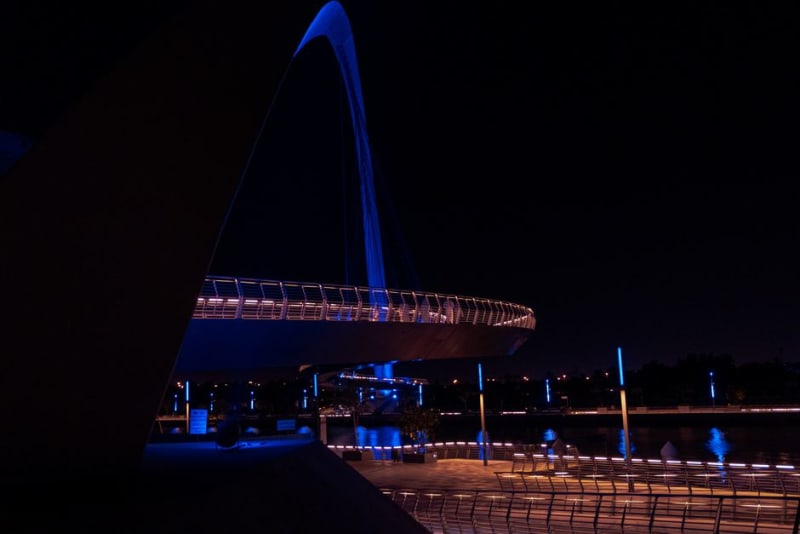 uae
uae Dubai Water Canal
The engineered extension of Dubai Creek that cuts through Downtown and Jumeirah to the Gulf, stitching the city's waterfront into one continuous promenade.
Explore uae
uae Fujairah
The UAE's only emirate on the Gulf of Oman, where rugged mountains meet diving-rich waters and centuries-old forts guard fertile wadis.
Explore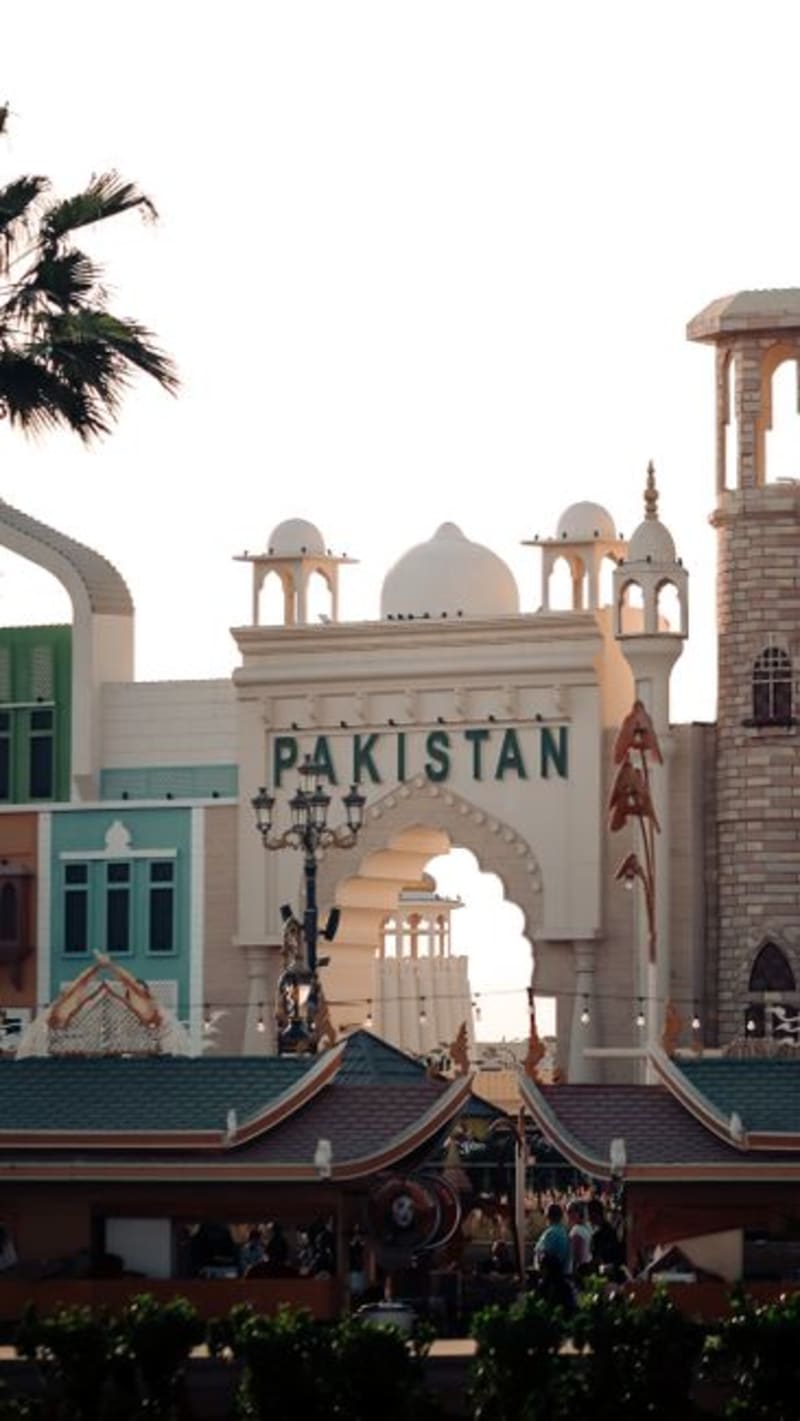 uae
uae Global Village Dubai
A sprawling seasonal night market where dozens of countries get a pavilion, a food stall, and a stage — the closest Dubai comes to a world's fair you can visit on a Tuesday.
Explore uae
uae Hatta
A mountain enclave of Dubai set in the Hajar range, where turquoise dam waters, heritage villages, and hiking trails offer an escape from the coast.
Explore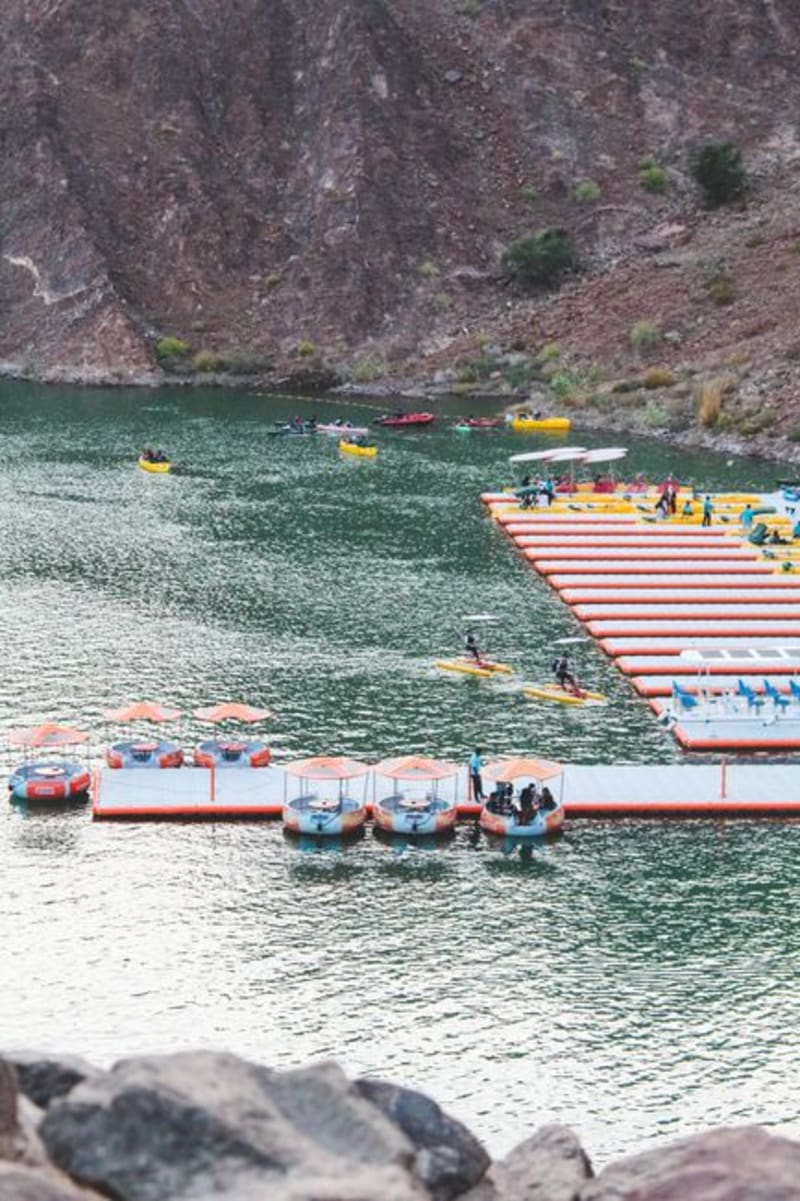 uae
uae Hatta Dam
A turquoise reservoir cupped between bare Hajar Mountain ridges, where kayaking against jagged brown peaks feels like discovering a different country inside Dubai's own emirate.
Explore