
A mountain enclave of Dubai set in the Hajar range, where turquoise dam waters, heritage villages, and hiking trails offer an escape from the coast.

Hatta is Dubai’s improbable mountain retreat — a small enclave of the emirate nestled in the Hajar Mountains near the Omani border, ninety minutes from the coast but a world removed from the towers and malls. The drive alone is worth it: you leave the last of Dubai’s sprawl, cross a stretch of desert, pass through a corner of Oman, and suddenly the landscape crumples into mountains — raw, treeless, rust-colored rock that looks like it was sculpted by a god with strong opinions about geology.
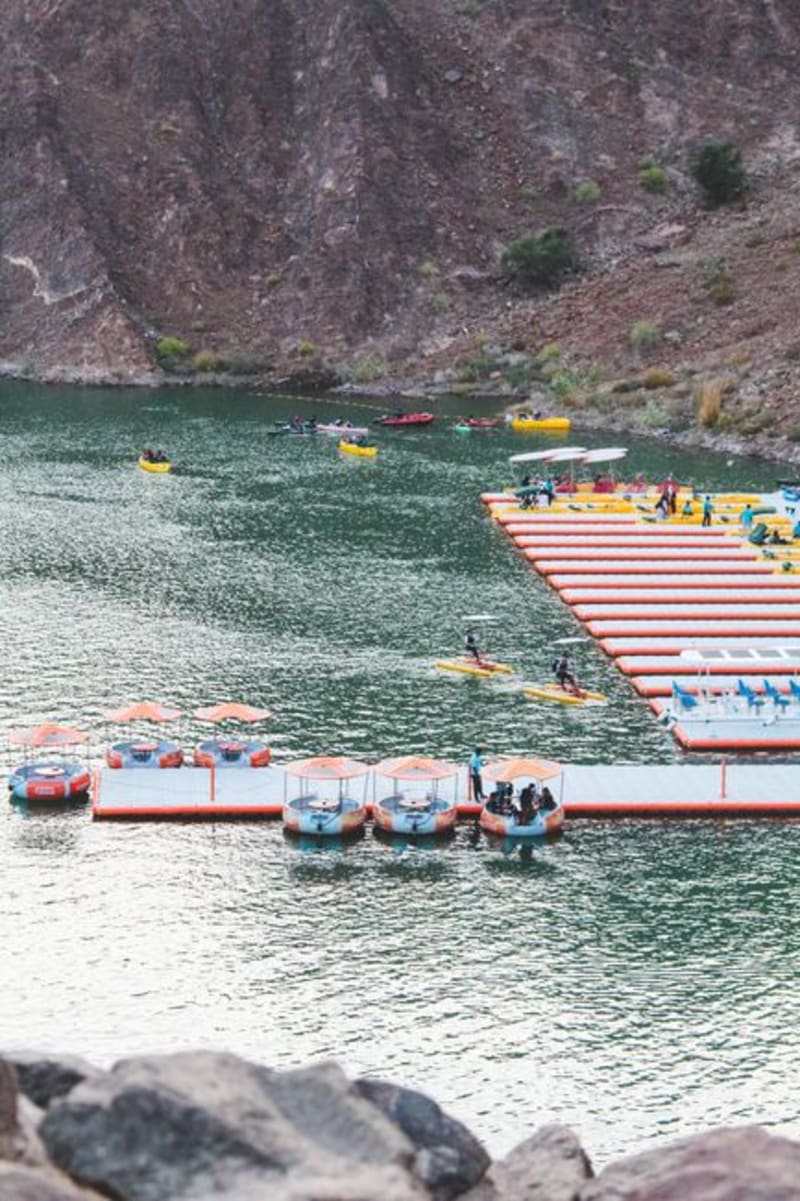
The Hatta Dam is the centerpiece, and it earned my attention the moment I saw it. Turquoise water cradled between barren rock walls, the color so improbable that you check the sky for filters. Kayaking here in the early morning, when the water is still and the mountains are reflected perfectly on the surface, is one of those experiences that the UAE brochures never adequately sell because it contradicts the narrative. This is not air-conditioned luxury. This is a kayak, a paddle, and silence.

The Hatta Heritage Village reconstructs traditional mountain life with watchtowers, a falaj system, and stone houses that show how communities thrived in this harsh terrain for centuries. The village sits in a valley of date palms and fruit trees — pomegranate, fig, mango — irrigated by the same techniques that sustain Al Ain’s oasis. The surrounding wadis — Wadi Hatta and Wadi Hub — offer hiking trails graded from easy family walks to technical scrambles that involve wading through pools and climbing over boulders in narrow canyons.
The newest addition is a network of mountain-biking trails built to international standards, weaving through terrain that combines rocky singletrack with sweeping desert views. The trails were designed by the same people who built courses in Whistler and Moab, and they attract a growing community of riders who make the drive from Dubai on weekends. There are also glamping options and a hillside park with slides and trampolines built into the landscape, which sounds gimmicky until you see children launching themselves off a mountainside with the Hajar range behind them.

When to go: October to April for hiking and water sports. Winter mornings can be genuinely cold in the mountains — bring layers. Weekdays are quieter than weekends, when Dubai residents flood the trails.
Keep exploring
More from UAE
 uae
Hatta Dam
A turquoise reservoir cupped between bare Hajar Mountain ridges, where kayaking against jagged brown peaks feels like discovering a different country inside Dubai's own emirate.
Explore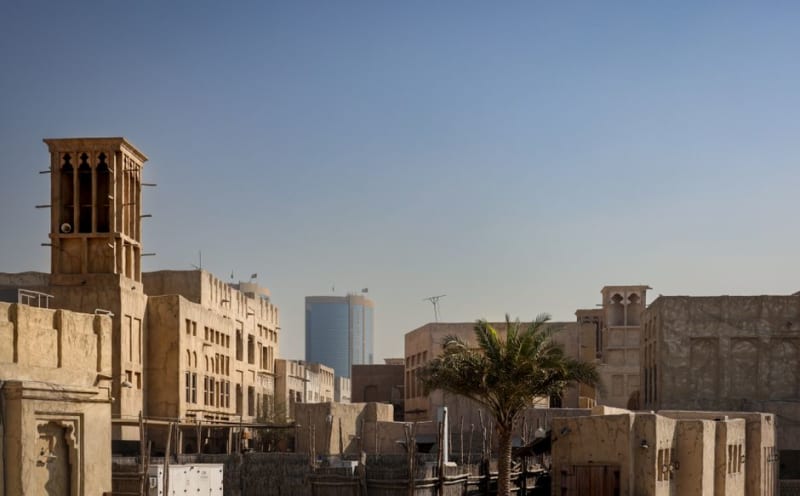 uae
Heart of Sharjah
A meticulously restored coral-stone quarter where Sharjah has rebuilt its pre-oil identity block by block, choosing memory over the modernist reflex next door.
Explore uae
International City
A residential district split into clusters styled after China, Russia, Morocco, and more, anchored by Dragon Mart's endless wholesale sprawl of a shopping complex.
Explore uae
JBR Beach
Jumeirah Beach Residence's public sand, backed by a promenade of cafes and shops, with Bluewaters Island and the Ain Dubai wheel rising offshore like a stage set.
Explore uae
Jebel Jais
The UAE's highest mountain, where switchback roads climb into cooler air and the world's longest zipline sends you flying above a canyon at 120 kilometers per hour.
Explore uae
Jumeirah Beach
Dubai's classic public beach strip, sail-shaped Burj Al Arab hovering offshore, where old fishing-village Jumeirah and today's luxury hotel row sit uneasily side by side.
Explore