Grand Turk
"Everything about Grand Turk feels like a country that forgot to update its clock."
Most people who arrive at Grand Turk come on cruise ships, spend three hours at the purpose-built beach complex on the south end, and leave with the impression they’ve seen a Caribbean island. They haven’t. The actual Grand Turk — Cockburn Town, the lighthouse, the wall dive sites, the donkeys wandering the road at dusk — is a short walk north of the pier and almost entirely untouched by the cruise industry’s money.
Cockburn Town at Walking Speed
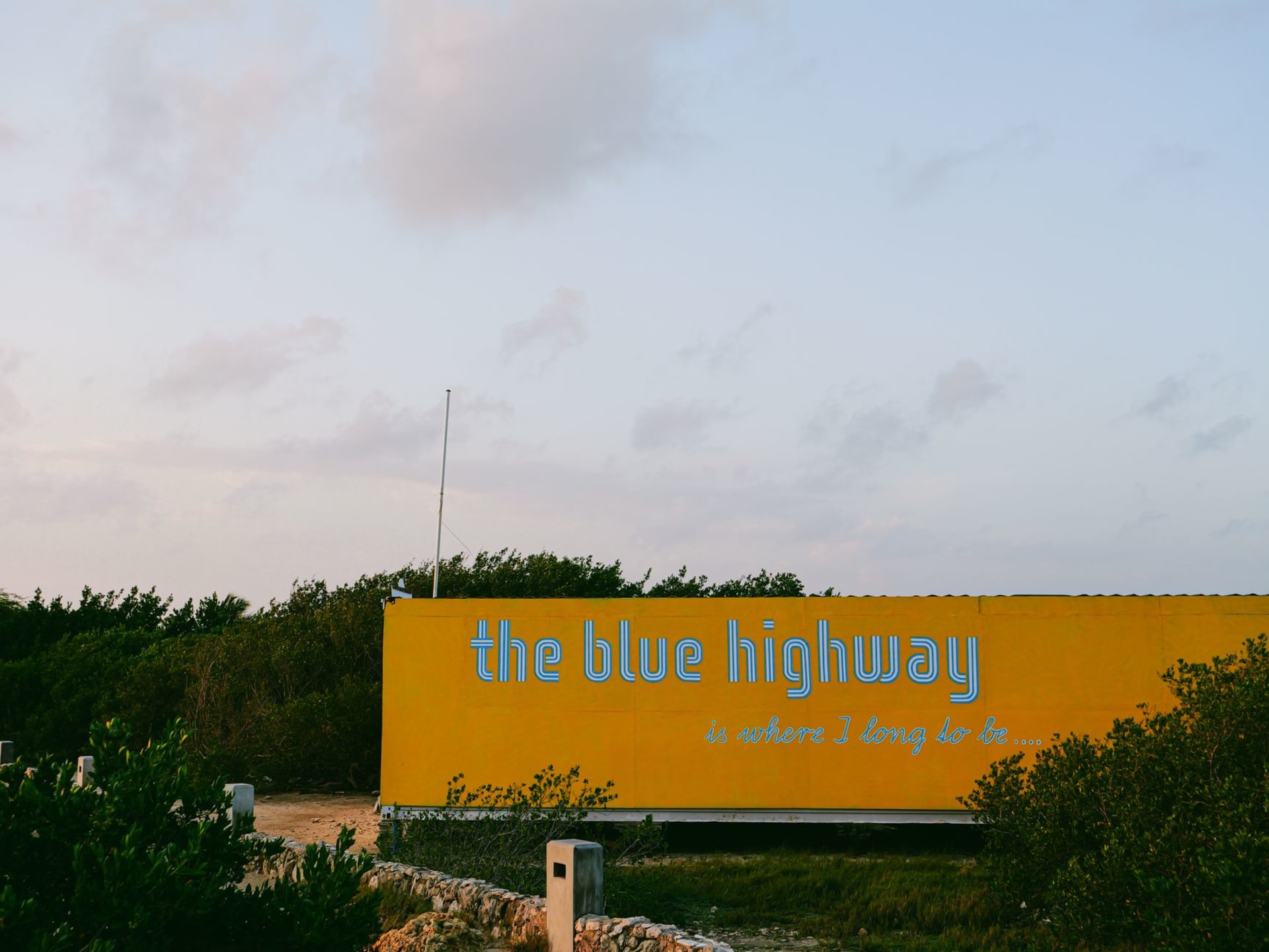
The capital of the Turks and Caicos is roughly six blocks wide and ten blocks long. I walked the entire seafront in under twenty minutes the first morning and spent the rest of the day doubling back, stopping in front of buildings I’d moved past too fast. Duke Street runs along the western shore and is lined with Bermudian-style houses — low, painted in yellows and pinks and the occasional alarming turquoise, with verandas that catch the trade wind. Some are well-maintained, some are halfway back to the earth, some appear to be operating simultaneously as homes, shops, and storage for fishing equipment. The effect is genuinely charming in the unselfconscious way that only comes from a place that isn’t performing for anyone.
The town’s small museum occupies one of the better-preserved colonial buildings and contains a collection of Lucayan artifacts, salt-raking tools, and framed photographs of mid-twentieth-century island life that made me stay much longer than I’d planned.
The Wall
Grand Turk’s western shore drops off a continental shelf wall within swimming distance of the beach. The wall descends to around two thousand meters and the visibility on a calm day is something embarrassing — fifty, sixty feet, everything sharp and blue. I dove it in the afternoon with a local guide who’d been doing these dives for twenty years and still pointed things out with the enthusiasm of someone who’d found them that morning. Black coral at thirty feet. A Nassau grouper that followed us for a full ten minutes. The wall face itself is covered in sponges in colors I don’t have names for.
Even snorkeling the shallow reef before the drop-off is worthwhile. The water on the west side of Grand Turk is calm and clear and the reef is in noticeably better shape than some of the more heavily trafficked sites in Provo.
Donkeys and Dusk
By late afternoon, when the cruise ships have gone and the island returns to its own rhythm, Grand Turk feels like a different place entirely. The donkeys — feral descendants of the animals used in the salt industry — come out along the roads near sunset. They have no particular fear of cars or people and will stand in the middle of the road evaluating you with what I can only describe as calm contempt. Lia found this hilarious. I found it philosophically interesting.
The west-facing shore catches a dramatic sunset, the kind where the sky goes through six distinct color phases in thirty minutes. I watched one from the end of a small dock near the lighthouse, drinking a beer, and thought about how odd it is that this island sits in the same country as Grace Bay and yet feels completely unrelated to it.
Eating Simply
There are a handful of restaurants in Cockburn Town and most of them operate on island time, which means they open when they open and close when they feel like it. The fish at the local spots — cracked conch, grilled snapper — is fresh in the way it only is when the boat came in that morning. Skip the restaurant at the cruise terminal and walk into town.
When to go: January through April for the best diving conditions and driest weather. February through April also brings humpback whales passing through the Turks Island Passage — boats run whale-watching trips from Grand Turk that are genuinely spectacular. Avoid arriving only on cruise days (usually Tuesday through Thursday) if you want the town to yourself.