Caribbean
Turks and Caicos
"The ocean here is so clear it feels like a moral accusation."
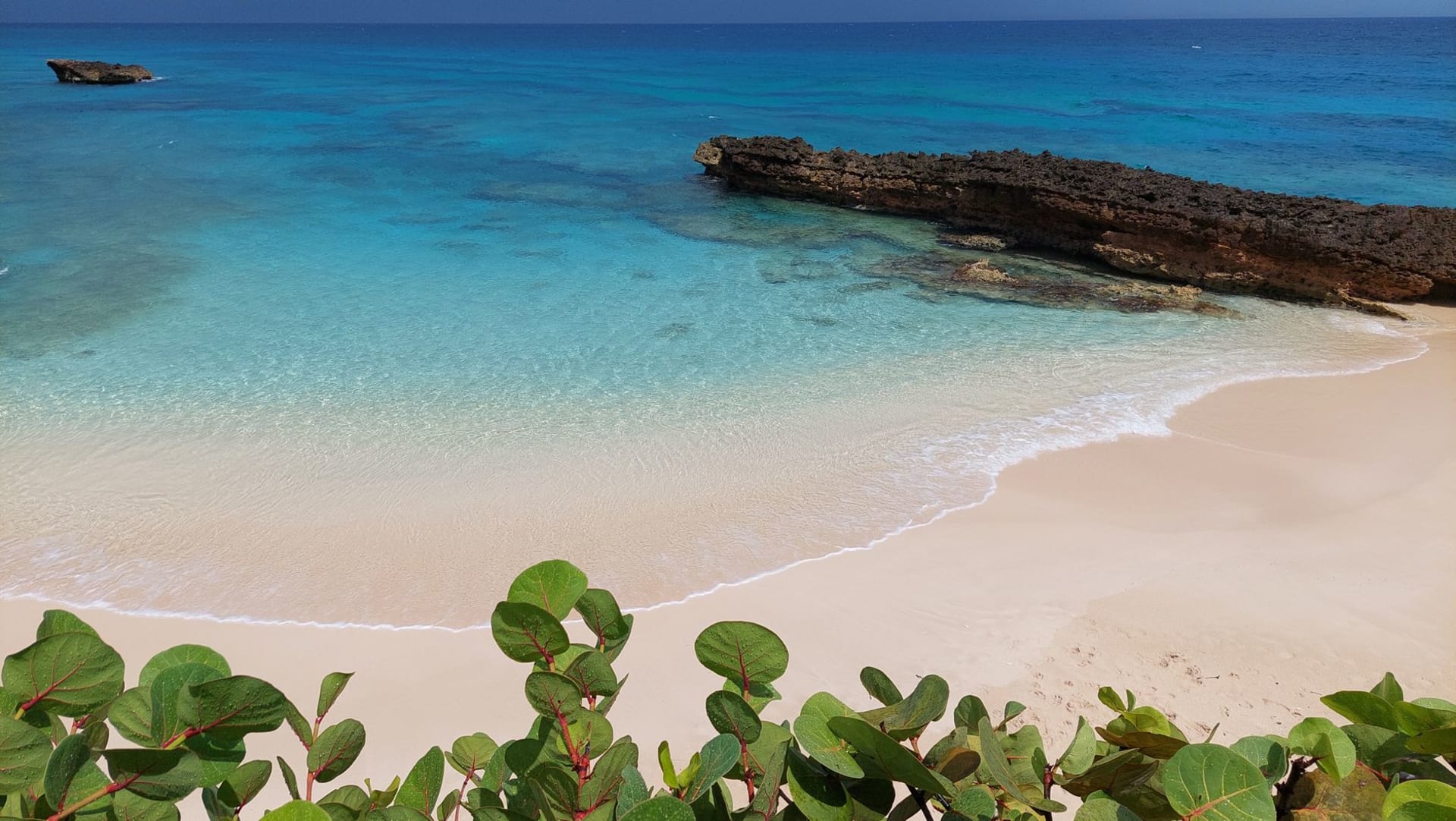
I arrived in Providenciales at dusk, which turned out to be the right time. The taxi from the airport cuts through a flat, scrubby landscape that looks nothing like the photographs — a reminder that every Caribbean island hides its industrial face somewhere. Then Grace Bay came into view, and I understood immediately why this thin strip of sand has become one of the most photographed coastlines on earth. The color of the water is not exaggerated in those images. It is genuinely that blue-green, that translucent, that unsettling in its perfection. I stood at the water’s edge in the last light and felt vaguely cheated — not by the place, but by every other beach I had ever stood on.
Grace Bay itself runs twelve kilometers along the north shore of Providenciales, and the reef sits just offshore, meaning the water stays calm and shallow for a long stretch before dropping. Swimming here at seven in the morning, before the sun is high and the handful of other early risers have arrived, is one of those rare travel experiences that actually delivers on the promise. The reef walk at low tide reveals starfish the size of dinner plates, spotted eagle rays gliding over the sand, and nurse sharks resting in the shallows with no apparent concern for human presence. For diving, the wall dives around the French Cay in the South Caicos area are exceptional — vertical drop-offs into the deep Atlantic, current-fed and rich with pelagic life. The tourist brochures barely mention them; everyone goes to the reef.
Eating on Provo requires some navigation. There are absurdly overpriced resort restaurants and there are a few genuinely good spots if you know where to look. Bugaloos, on the eastern end of the island, does the best conch fritters I found anywhere in the islands — sweet, tender, nothing like the rubbery versions that pass for the dish elsewhere in the Caribbean. The conch here is everywhere, pulled from the surrounding flats by local fishermen and turned into cracked conch, conch salad, conch ceviche. It is mild, slightly sweet, and eaten fresh in a way that reminds you that Caribbean food at its source is quite different from the tourist approximations of it. For a more honest sense of the islands, take the ferry to Salt Cay — a tiny, almost untouched island with a handful of residents, a couple of guesthouses, and the ruins of a salt industry that once made the Turks Islands economically important. The snorkeling off Salt Cay is better than anything on Provo, and you will probably have it to yourself.
When to go: December through April is peak season and climatically ideal — low humidity, steady trade winds, water temperatures around 26°C. February and March are the sweet spot before spring break crowds arrive. May and June offer the same weather at meaningfully lower prices. Avoid August through October; hurricane risk is real, and the heat is relentless.
What most guides get wrong: They present Turks and Caicos as a luxury resort destination, full stop — somewhere you go to be pampered inside a compound. That framing misses the point entirely. The water is what matters, and the water belongs to everyone equally. You do not need a resort to swim at Grace Bay or take a boat to the barrier reef. The outer islands — South Caicos, Salt Cay, Middle Caicos with its limestone caves and isolation — are accessible, largely untouched, and almost never mentioned. Turks and Caicos rewards the person who gets in the water and takes the ferry, not the person who stays at the swim-up bar.