A River City with Two Lives
Türkmenabat — formerly Chardjou, and before that Amul, a name that goes back to antiquity — is a city defined by its river. The Amu Darya here is wide and brown and fast, carrying snowmelt from the Pamirs toward what remains of the Aral Sea far to the north. The Friendship Bridge crosses it to the Uzbek city of Farab; on clear days you can see the Uzbek bank from the Turkmen side, another country visible like a reflection of this one.
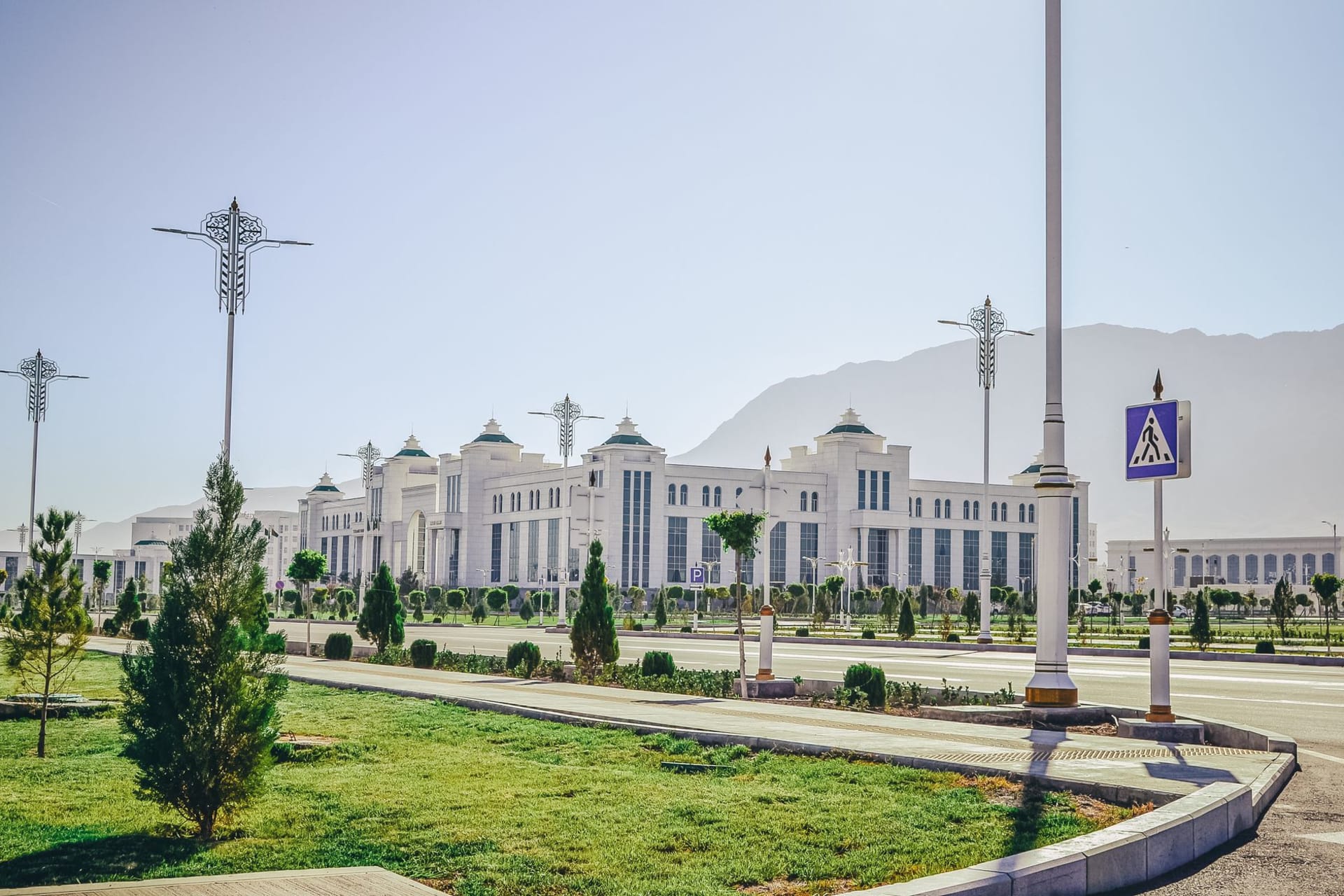
The city is Turkmenistan’s second largest, with a population of around 200,000, and its character is noticeably different from Ashgabat’s: less marble, more function, a working city rather than a monument to itself. The Soviet-era urban plan is still legible in the wide central streets and institutional buildings, but the older quarters near the river have a different texture — smaller scale, more improvised, the kind of urban fabric that develops when people actually live somewhere rather than perform living.
What the Bazaar Sells
The central bazaar is the reason to spend more than a transit night here. It’s a proper market — covered sections for dry goods, open sections for produce, a livestock area at the far end where I watched two men conduct a protracted negotiation over a sheep with the kind of focused seriousness that I find admirable in any commercial context. The carpet section occupies a dedicated hall: Turkmen tribal carpets in the classic color palette of deep red and dark blue, geometric patterns varying by tribal origin in ways that become readable after you’ve spent an hour looking.
I bought dried mulberries here that were the best I’ve eaten anywhere — pale gold, intensely sweet, with a texture somewhere between a fig and a date. The woman selling them let me try three different varieties before I chose, and seemed genuinely pleased when I bought the most expensive.
The Amu Darya at Dusk
The river’s embankment is where the city comes to itself in the evenings. Families walk the promenade; vendors sell ice cream and corn on the cob grilled over charcoal; teenagers congregate at the stone balustrade looking across the water toward Uzbekistan. The light on the river at dusk is the color of old copper — the Amu Darya carries so much sediment that it catches and holds the evening glow differently than clear water would.
A tea house near the bridge served the best plov I ate on this entire journey through Central Asia: lamb, rice, carrots, and an amount of sheep’s fat that I would normally approach cautiously but which here was completely correct, the richness balanced by a dryness in the rice that tells you the cook knows exactly what they’re doing. We ordered a second plate.
Amul’s Ghosts
The ancient city of Amul, predecessor to modern Türkmenabat, was another casualty of the Mongol invasions, and unlike Merv it was rebuilt in a different location — the modern city sits adjacent to but not on the ancient site. Some foundation remains are accessible at the archaeological preserve on the eastern edge of town, though they’re modest compared to Merv and most visitors skip them. I went anyway, mostly to stand in the place and think about the long argument between this river and human settlement, which the river has always been winning.
When to go: April through May and September through October. Türkmenabat’s continental climate means hot summers (regularly 40°C) and cold winters. Spring markets are particularly lively when the agricultural season begins and produce arrives fresh from surrounding villages. The Amu Darya floods seasonally in spring and the river at that point is even more imposing than usual.