Selcuk
"Selcuk lets Ephesus have all the glory next door and quietly keeps the storks and the good breakfast for itself."
The unpretentious base town for Ephesus, where storks nest on ancient columns and a single fallen pillar is all that remains of a Wonder of the World.
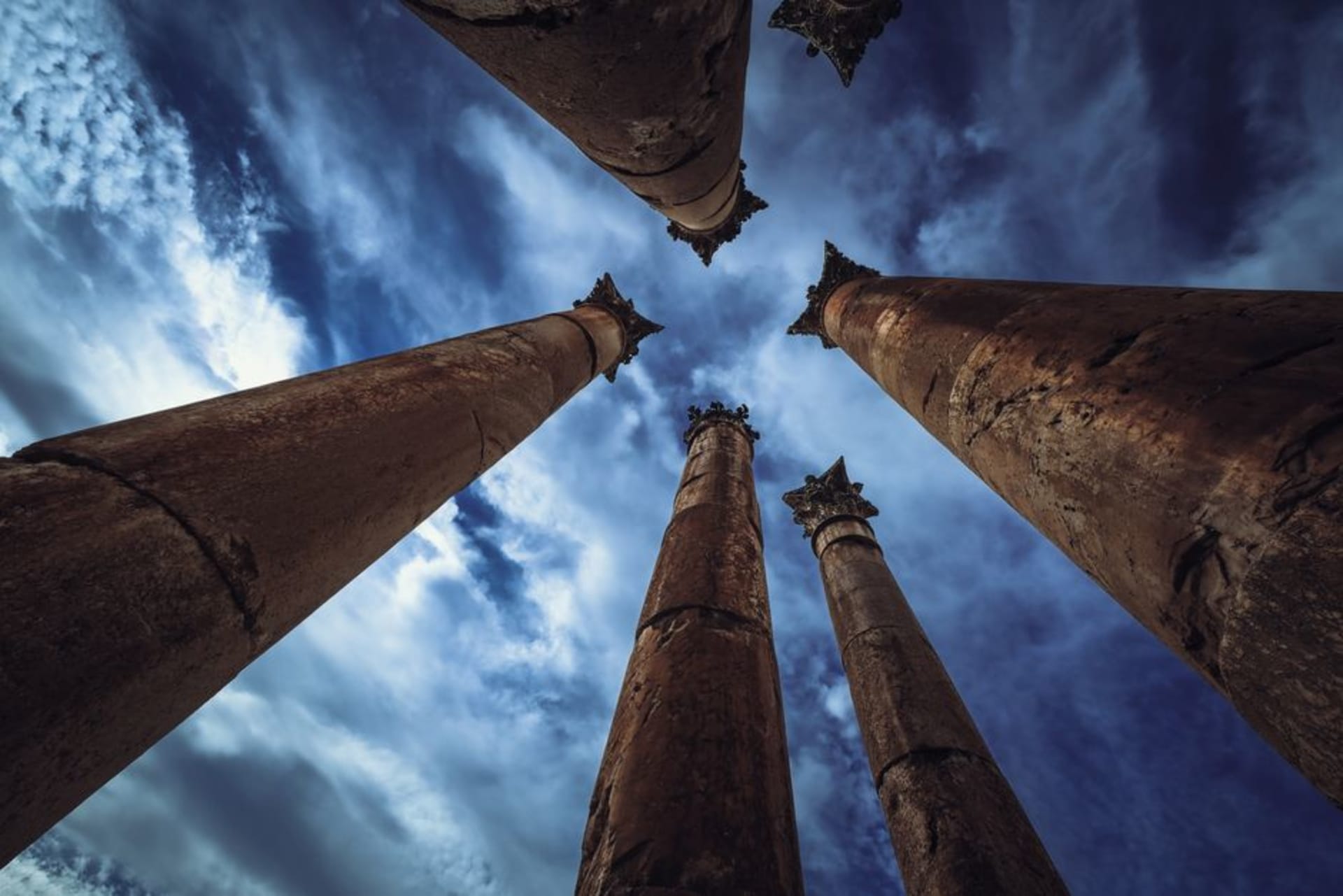
Everyone comes to Selcuk to see Ephesus, and almost everyone leaves without really looking at Selcuk itself, which is a shame, because the town does something I’ve rarely seen elsewhere: it wears its own ancient ruins so casually that a Roman aqueduct runs straight through the middle of the modern street grid, storks nesting on top of it like it’s just another rooftop. I sat at a cafe table one morning watching a stork feed its chicks on a column capital that predated most of the world’s standing cathedrals, while a waiter refilled my tea without so much as glancing up at the birds.
What’s Left of a Wonder
A short walk from the town center, in what is now a marshy field with a single reconstructed column standing in for the whole complex, are the remains of the Temple of Artemis — once counted among the Seven Wonders of the Ancient World and, in its prime, four times the size of the Parthenon. Standing there, it’s almost impossible to reconcile the modest, waterlogged field in front of you with the scale of what once stood on the spot, and that gap is oddly moving rather than disappointing; time has been genuinely ruthless here, and the single column left standing, ringed by scattered fragments and the occasional stork nest, says more about the fragility of even the greatest ancient ambitions than a fully preserved monument ever could.
The Mosque, the Basilica, and Dinner After
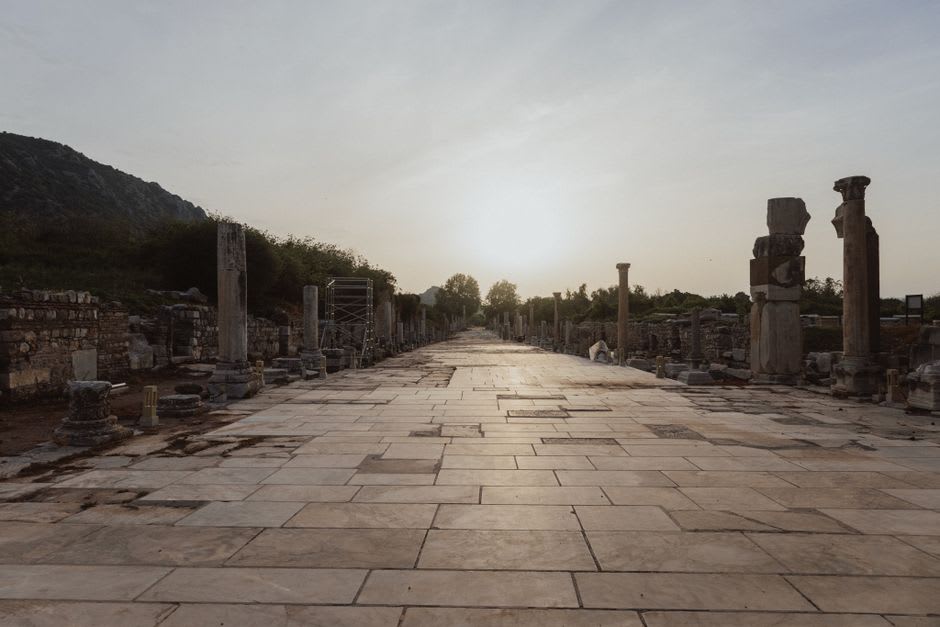
Selcuk’s own Isa Bey Mosque, built in the fourteenth century using columns scavenged from Ephesus and the Temple of Artemis itself, sits on a hill overlooking the valley, its courtyard quiet and half-shaded by an old fig tree when I visited in the late afternoon. Nearby are the ruins of the Basilica of St. John, believed to mark the apostle’s burial site, its scattered marble blocks catching the same golden light that seems to fall on every hill in this part of the Aegean at day’s end. After a full day of ruins, I ate dinner at a small restaurant near the train station — grilled sea bream, a plate of local greens I couldn’t name, and a carafe of raki that the owner poured generously and then sat down uninvited to share a glass of himself, asking where I was from and insisting, as most people here eventually do, that I come back in spring for the storks’ return.
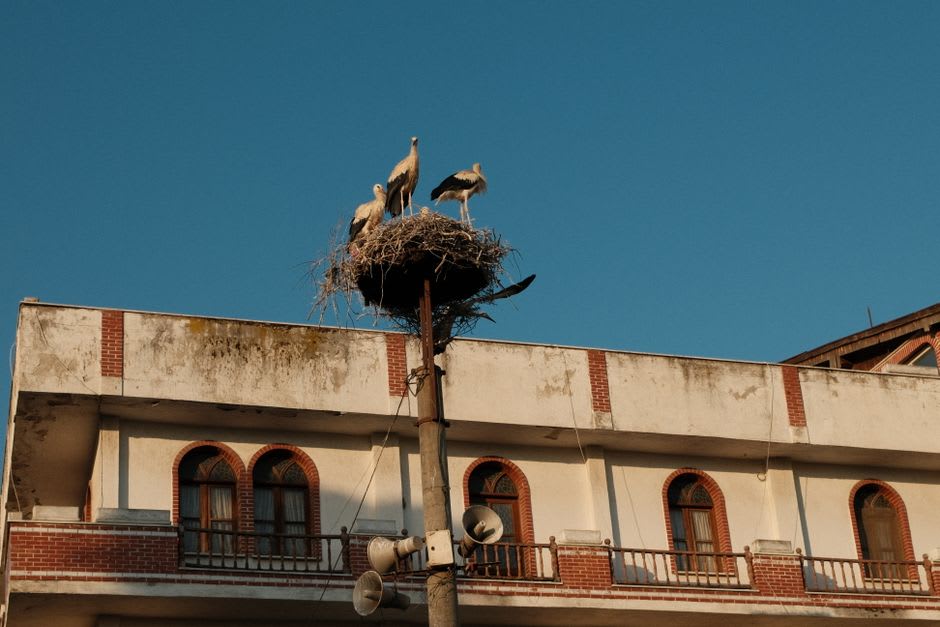
When to go: April through June, when the storks have returned to nest and the ruins at Ephesus are green and uncrowded before the summer heat and cruise-ship crowds arrive.