Rize
"Rize is the one corner of Turkey where the postcard is genuinely too dry for the weather."
Turkey's tea capital on the misty Black Sea coast, where terraced plantations climb impossibly green hills and every stranger offers you a glass.
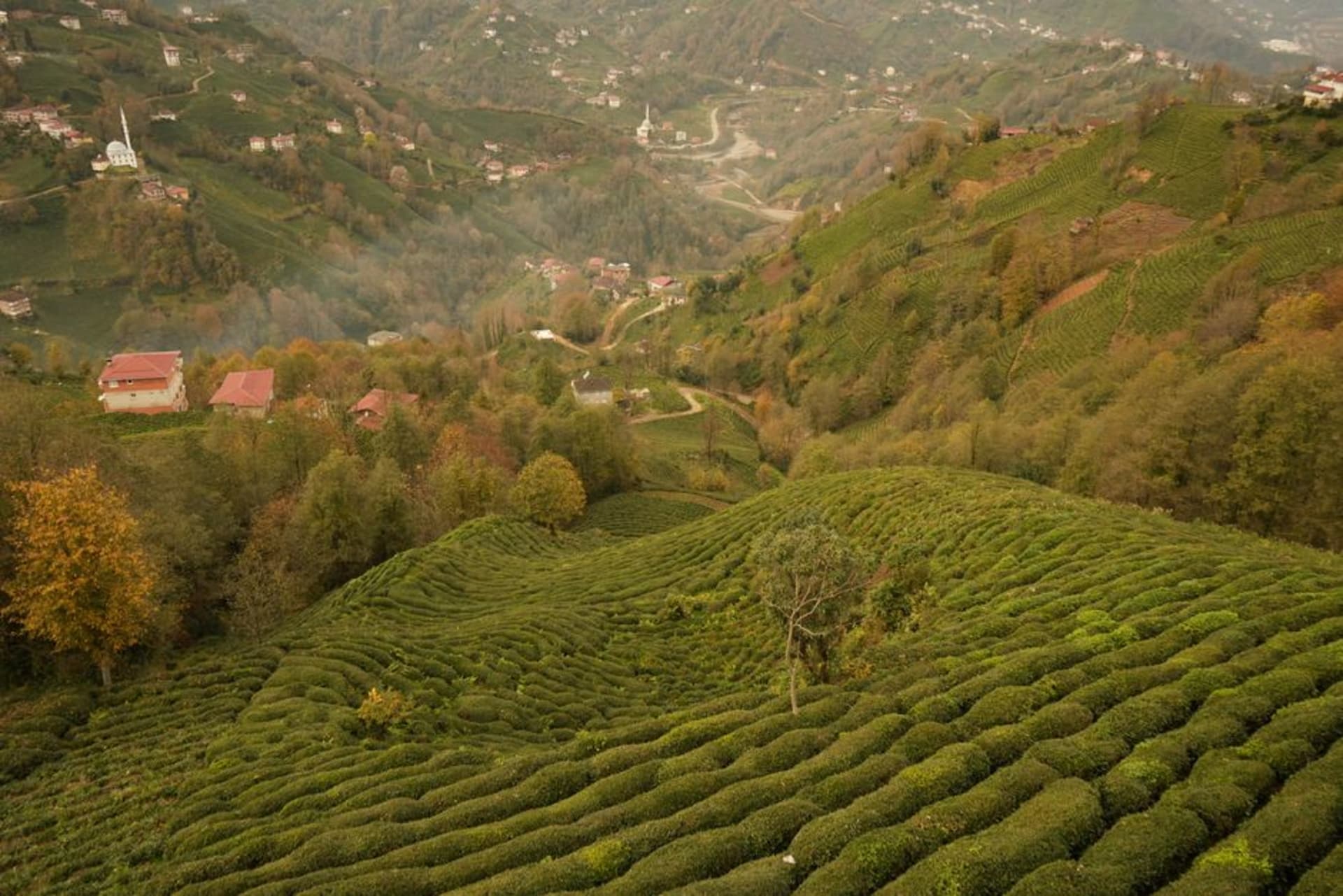
Everyone tells you Turkey is a country of sun-bleached ruins and turquoise coastline, and then you arrive in Rize and the bus windows fog up with a mist so persistent it feels like the region has its own weather system, separate from the rest of the country entirely. The hills here don’t roll — they climb, steep and relentless, every visible surface combed into the neat parallel rows of a tea plantation. I had never seen so much green in Turkey, and I had certainly never been offered tea this fast: within ten minutes of getting off the bus, a shopkeeper had pressed a tulip-shaped glass into my hand without being asked.
Walking the Terraces
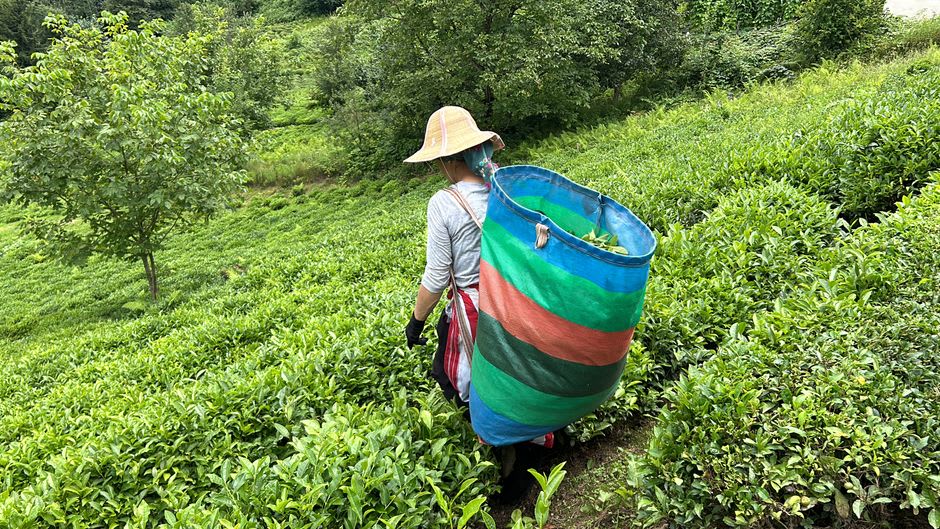
I spent a morning hiking up from town into the plantations themselves, past women in headscarves and rubber boots picking leaves into baskets slung across their backs, moving along the terraces with a rhythm that looked more like dance than labor. The tea bushes here are planted so densely and pruned so precisely that from a distance the hillsides look upholstered, like someone has draped green velvet over the whole province. Rize produces the overwhelming majority of Turkey’s tea, and the country drinks more tea per capita than almost anywhere on earth, so in a real sense this damp, foggy hillside is quietly responsible for one of the most universal daily rituals in Turkish life — the little glass that appears at every shop counter, every roadside stop, every hospitable pause in conversation.
A Different Turkey
At a tea house overlooking the harbor, an old man who’d spent thirty years working the plantations told me, half-joking, that Rize people measure a good day by how many glasses of tea they’ve had rather than how much sun. Looking out at the low clouds sitting on the ridgeline, at the fishing boats slick with drizzle, at the impossibly bright green of the hills behind town, I understood what he meant. This is Black Sea Turkey — wetter, cooler, more insular in its own particular way, with an accent and a rhythm of life that has more in common with Georgia just up the coast than with Istanbul or the Aegean. The corn bread and the hamsi (anchovy) dishes on every menu, the horon folk dances I watched teenagers rehearsing in a parking lot, the sheer relentless dampness of the air — none of it matched the Turkey I’d pictured, and all of it made the country feel bigger than I’d given it credit for.
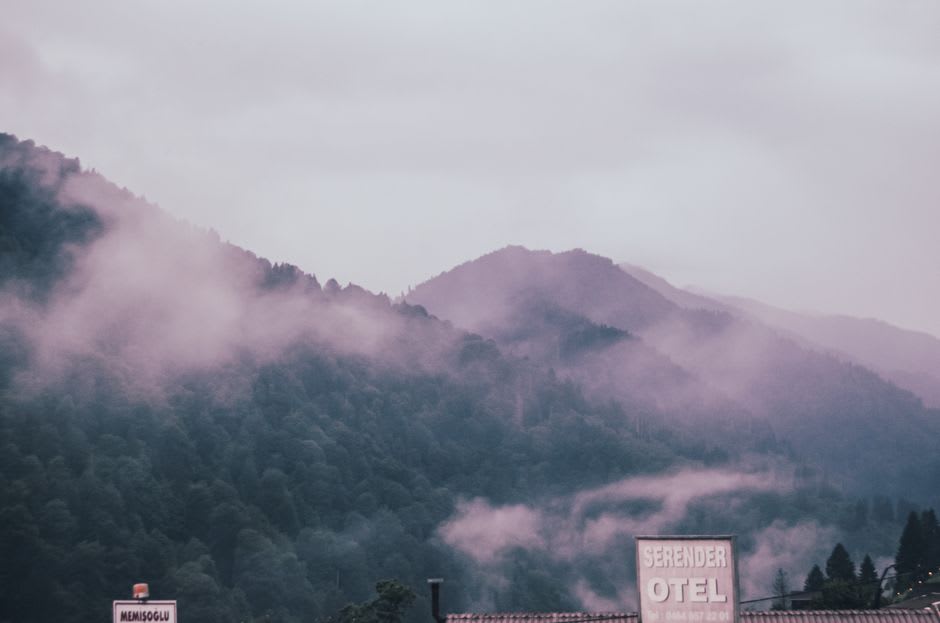
When to go: May through September, when the tea harvest is in full swing and the hills are at their most vivid green, though be ready for rain any month of the year.