Patara
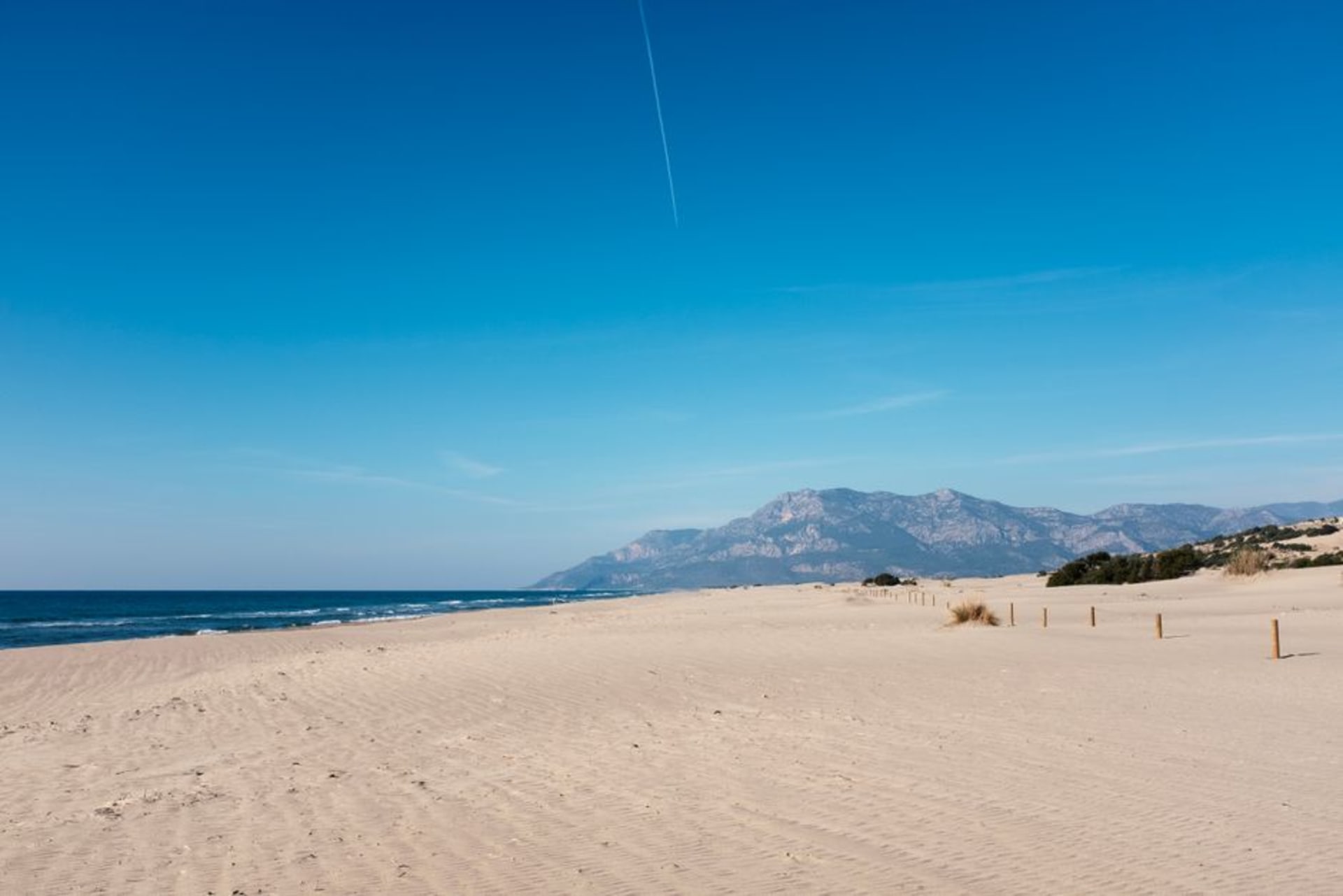
"Eighteen kilometers of beach and, for most of it, only my own footprints ahead of me."
Eighteen kilometers of undeveloped Mediterranean sand backed by a lost Lycian capital, where sea turtles still come ashore to nest undisturbed.
I have stood on plenty of Mediterranean beaches that call themselves unspoiled and mean something closer to under-marketed. Patara is different. You pay a small entrance fee at a gate a fifteen-minute walk from the sand — the whole beach sits inside a protected archaeological and ecological zone, no buildings, no sunbeds, no music — and then you walk through dunes taller than a person before the sea opens up in front of you, eighteen kilometers of it, curving away until it disappears into heat haze. I walked for nearly an hour in one direction and never ran out of empty sand.
A Beach That Belongs to the Turtles First
The reason for all this protected emptiness became clear when I noticed small wooden stakes marking off sections of upper beach, some with handwritten signs in Turkish and English. Patara is one of the Mediterranean’s most important nesting sites for loggerhead sea turtles, and between May and October the beach is closed to visitors after dark and sections are fenced to protect nests from foot traffic. A ranger checking the marked sections told me hatchlings emerge mostly at night, disoriented easily by artificial light, which is precisely why there’s no beach bar here and never will be.

Swimming here midday in July, I was one of maybe a dozen people visible along an enormous stretch of coastline, which after a week of crowded resort beaches further east felt almost suspiciously peaceful.
The City the Sand Swallowed
What most visitors miss, tucked behind the dunes, is that Patara was once the capital of the Lycian League and a major Roman port — its harbor has since silted up entirely, buried under the same sand that now makes the beach so vast. Walking through the ruins on the way in, I passed a genuinely impressive triumphal arch, the remains of a bath complex, and a small, beautifully carved council chamber that historians consider one of the earliest known examples of a representative parliament building, predating equivalents elsewhere in the ancient world by centuries.
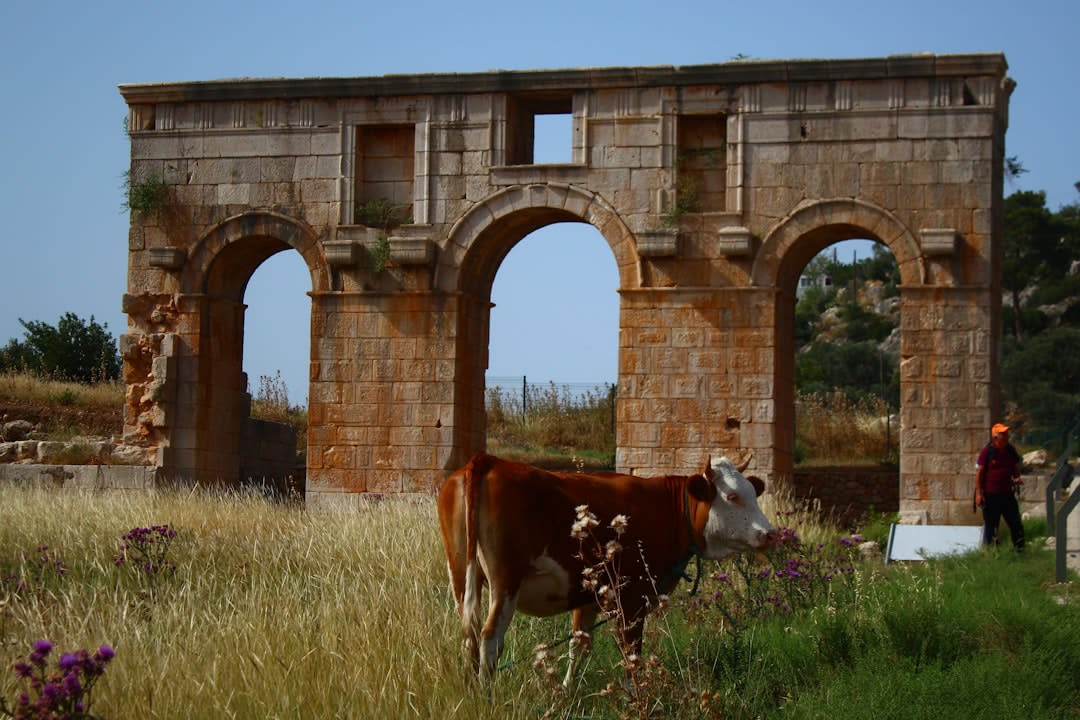
Standing in that council chamber, empty except for me and a guide’s voice echoing faintly from a nearby group, I found it harder to picture chariot races than actual debate — representatives from Lycian cities arguing over votes in a room built specifically for that purpose. It’s a quieter kind of ancient history than a stadium or theater, but no less real for it.
When to go: May through September for swimming and full beach access, though nesting-season evening closures apply; visit the ruins in the cooler morning hours before walking out to the sand.