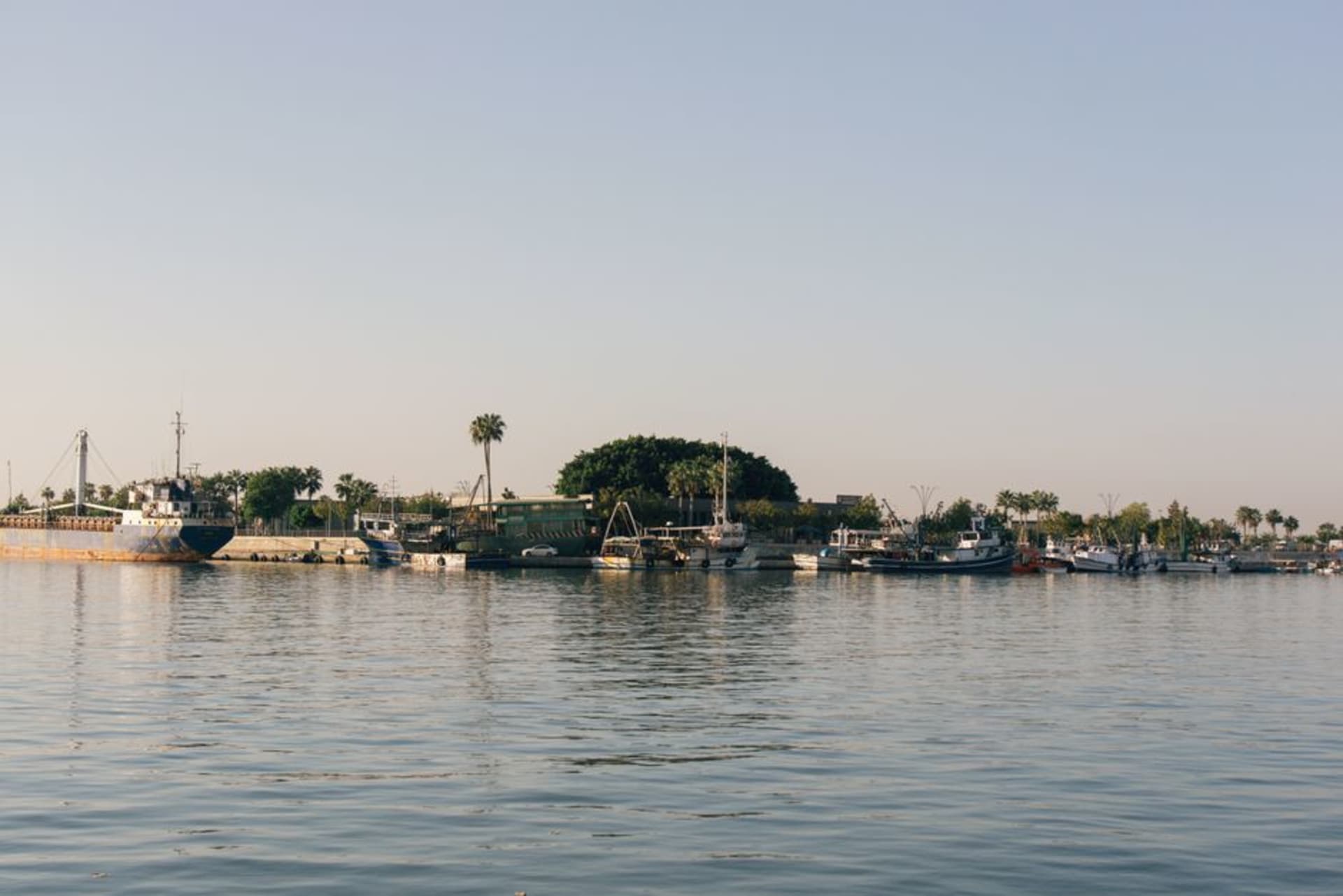
A working port city on the eastern Mediterranean where citrus groves meet container cranes, and St. Paul's birthplace waits quietly inland.
I ended up in Mersin because a bus was cheaper than the alternative, and I stayed three days longer than planned. This is not a place that performs for visitors — there is no old town scrubbed for postcards, no marina lined with gulets. It is a working city: a container port, a naval base, streets that smell of diesel and orange blossom in roughly equal measure depending on which way the wind comes off the citrus plain. I liked it precisely because nobody had told it to be picturesque.
A Coast That Works for a Living
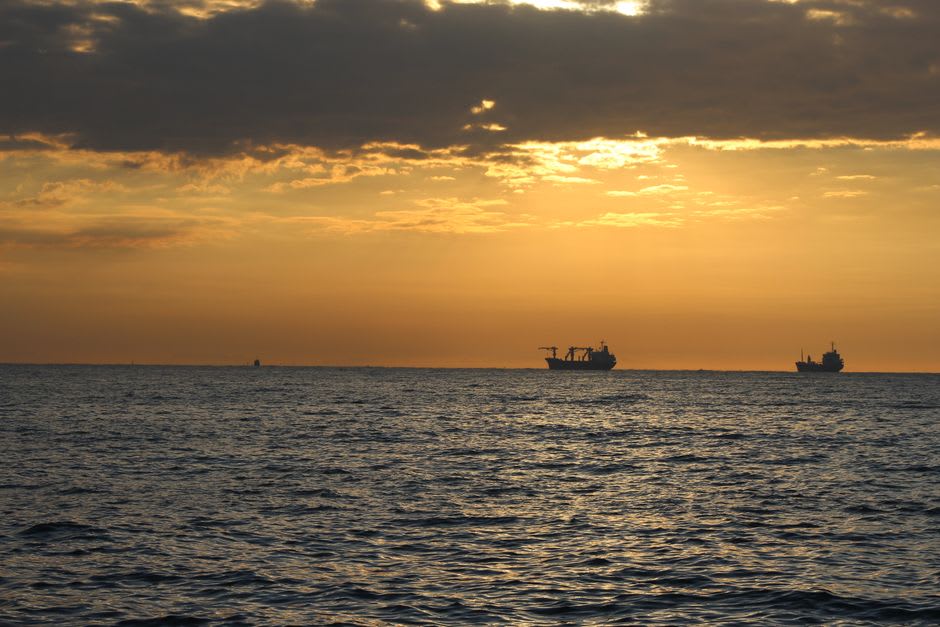
The corniche in the evening is where Mersin reveals itself. Families walk it after the heat breaks, çay glasses balanced on tea-sellers’ trays, teenagers on scooters weaving between grandmothers. Across the water, the silhouettes of cargo ships wait at anchor, floodlit, patient. I sat on a sea wall one night eating a simit from a cart and watched a crane load containers onto a ship bound, the vendor told me, for somewhere in Lebanon. It felt more honest than any curated sunset I’d photographed elsewhere on this coast.
Inland, the coastal plain is one long citrus grove — orange, lemon, and mandarin trees running in disciplined rows toward the foothills of the Taurus Mountains. I rented a car for a day and drove through Tarsus, twenty minutes east, which turns out to be the actual birthplace of the apostle Paul. There’s a well in the old town still called St. Paul’s Well, where locals draw water in plastic bottles and hand you a cup without ceremony, like it’s the most normal thing in the world to drink from a two-thousand-year-old source named after a saint. An elderly caretaker, Hüseyin, told me the water never runs dry, not even in drought years, and that his father said the same thing, and his father before him.
Citrus, Cats, and a City That Doesn’t Pose
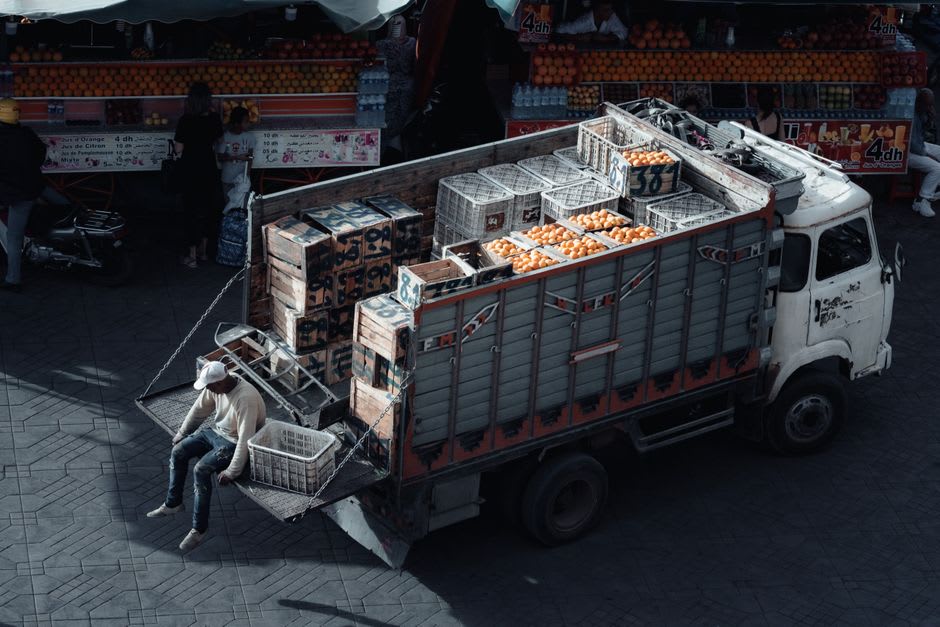
Mersin’s food is shaped by what grows nearby. The tantuni here — thin strips of meat cooked fast on a griddle with peppers and wrapped in flatbread — is considered the best version of the dish in the country, and I have no argument to offer against that claim after eating it four times in three days. Fresh-squeezed orange juice is sold on nearly every corner for less than a bottle of water costs elsewhere, poured from crates stacked higher than the vendors themselves.
What stayed with me was the total absence of tourist infrastructure. No one tried to sell me a boat trip or a carpet. A shopkeeper corrected my Turkish without condescension and then gave me a mandarin for the road, refusing payment, waving me off before I could argue. Mersin doesn’t need visitors to justify itself, and that unbothered self-sufficiency is exactly its appeal.
When to go: Late autumn through spring (November to April) for the citrus harvest and mild temperatures — summer here is brutally hot and humid, without the sea breeze that softens the resort towns further west.