
Kayseri
"Kayseri is where Turkey does business, and it turns out that also means Kayseri is where Turkey eats extremely well."
A businesslike Seljuk city under the shadow of Mount Erciyes, where cured beef and dumplings taste better than any coastal resort's seafood.
Most travelers pass through Kayseri only long enough to catch a shuttle bus to Cappadocia, and I understood the temptation — the airport funnels almost everyone straight past the city and into the fairy chimneys an hour away. But I’d read enough about the food to insist on staying one extra night, and by the time I left I felt a little sorry for everyone who’d rushed through without stopping to eat.
A City Under a Volcano
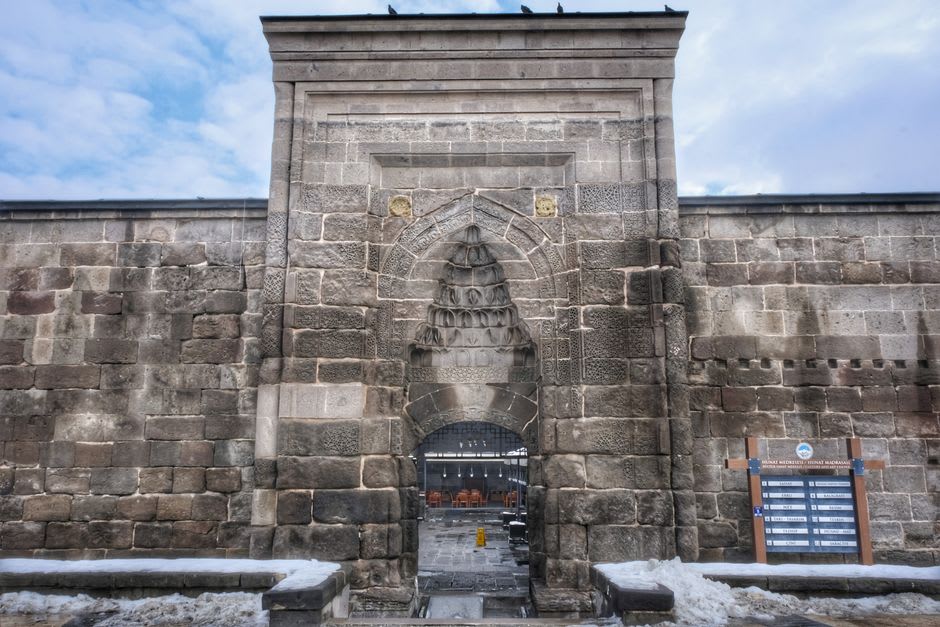
Kayseri sits in the flat shadow of Mount Erciyes, a dormant volcano whose snow-streaked cone dominates the skyline from almost anywhere in the city and turns into a serious ski resort every winter, drawing Turks from Ankara and Istanbul who’d rather not fly all the way to the Alps. I stood at the base of the old Seljuk citadel in the late afternoon, its black basalt walls squat and fortress-plain compared to the lacework carving I’d seen in Sivas, and watched the mountain catch the last orange light while shopkeepers below closed up their stalls in the bazaar. Kayseri has always been a trading city — it sat on old Silk Road routes and today is one of Turkey’s most industrious manufacturing centers, a reputation locals bring up themselves with a mix of pride and dry humor about being the least romantic city on anyone’s itinerary.
Pastirma and Mantı
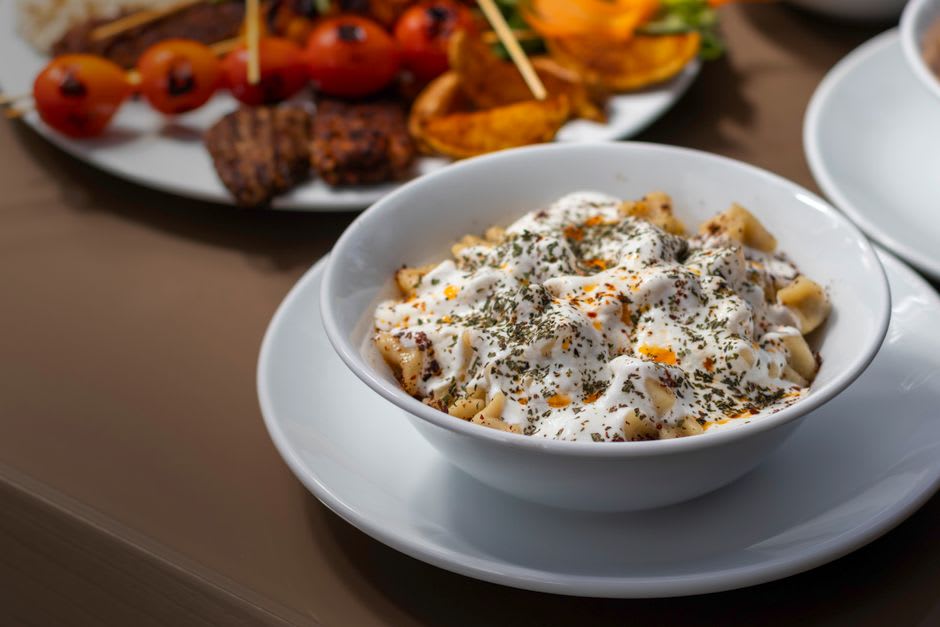
The food, though, is where Kayseri stops being a stopover and becomes a destination. Pastirma — air-dried, heavily spiced cured beef coated in a thick paste of cumin, fenugreek, and garlic called cemen — is a Kayseri specialty so central to the city’s identity that entire streets are dedicated to producers, their shop windows hung with dark red cured joints. I ate it thinly sliced on fresh bread with a squeeze of lemon at a stand near the bazaar, and the fenugreek hit first, sharp and bitter-sweet, before the meat’s dense, salty richness took over. Then there’s mantı, Kayseri’s tiny hand-folded dumplings, boiled and served swimming in garlicky yogurt with a drizzle of paprika-butter — a dish so labor-intensive that watching a grandmother at a nearby table fold what looked like fifty dumplings without once looking down at her hands felt like watching a magic trick.
When to go: Year-round as a gateway to Cappadocia, but December through March if Erciyes’ ski slopes interest you, and September through November for the mildest sightseeing weather in the old town.