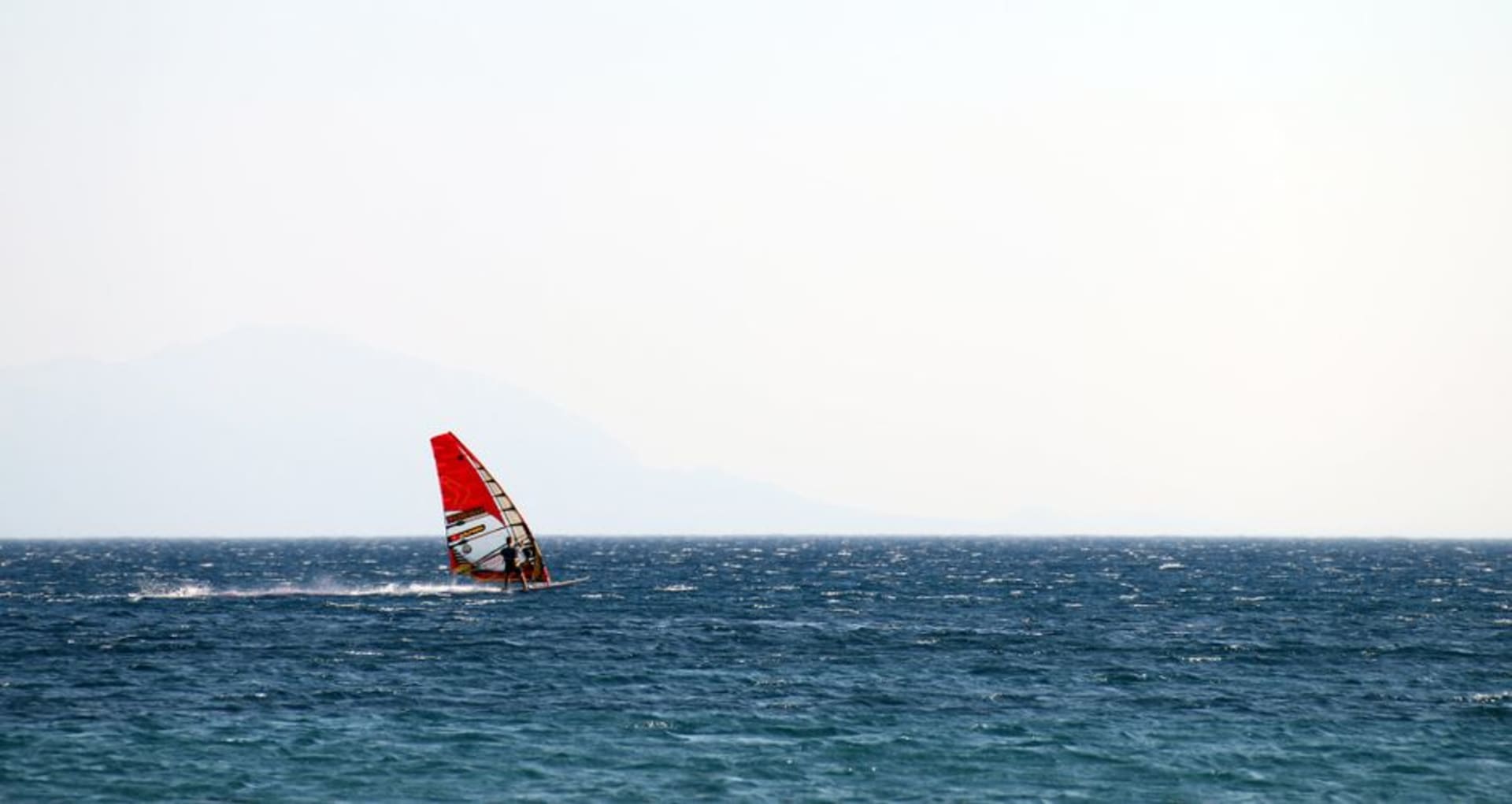
Turkey's largest island, once Greek Imbros, where Orthodox villages still stand half-empty, windsurfers ride a legendary bay, and almost nothing has been developed.
Gökçeada takes some effort to reach — a ferry from Kabatepe on the Gallipoli peninsula, then a drive across an interior that is mostly empty hills and grazing sheep — and that effort seems to be doing most of the work of keeping it undeveloped. This is Turkey’s largest island, and yet compared to the Aegean resort islands further south it felt almost entirely unbothered by tourism, a wildness that I found more interesting than any amount of polish would have been.
Villages the Population Exchange Left Behind
The island was Greek Imbros until the population exchanges of the 1920s reshaped its demographics, and its interior still holds several villages — Zeytinliköy and Tepeköy among them — that were built by and for a Greek Orthodox population, some of whom, remarkably, still live there. I wandered into Tepeköy on a quiet weekday afternoon and found stone houses in varying states of repair and disrepair side by side, a working Orthodox church with its bell tower intact, and an elderly resident, one of a small remaining Greek community, sitting outside her house who greeted me in Greek before switching, without missing a beat, into Turkish once she registered my blank look.
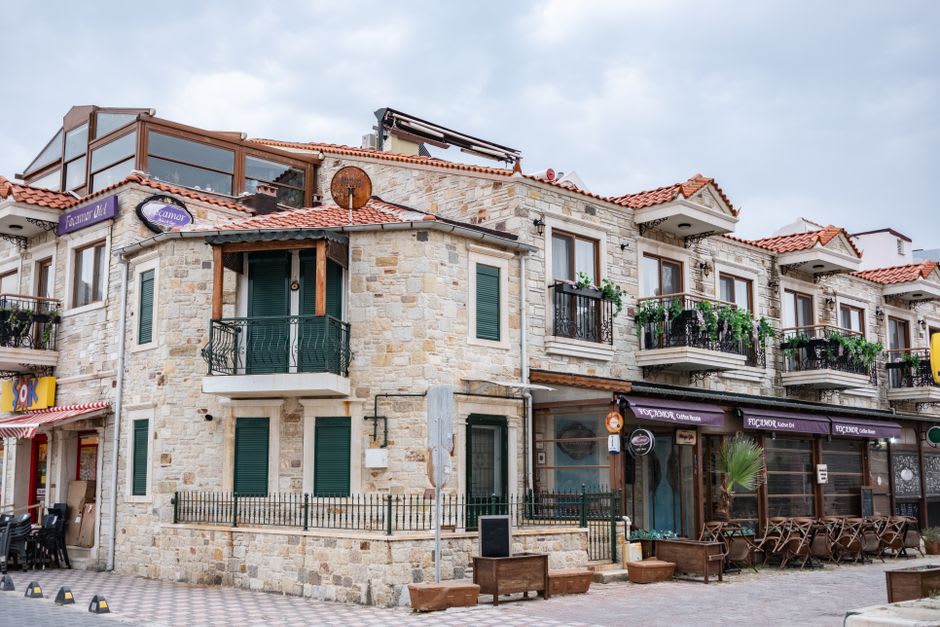
It is a strange, moving kind of ghost-town-that-isn’t-quite, and walking those lanes felt less like sightseeing and more like eavesdropping on a slow, ongoing story that most visitors to Turkey never hear at all.
Wind, Waves, and Empty Beaches
The island’s other identity is entirely different: Aydıncık Bay, on the southern coast, is one of the best windsurfing and kitesurfing spots in the eastern Mediterranean region, thanks to a reliable summer wind called the meltemi that funnels through with almost mechanical consistency. I sat on the sand one afternoon watching a dozen sails crisscross the bay at speed, a rental shack nearby offering lessons to a cluster of nervous beginners, and even outside the wind-sport crowd the beach itself had barely two dozen other people on a stretch that could easily have held ten times that.
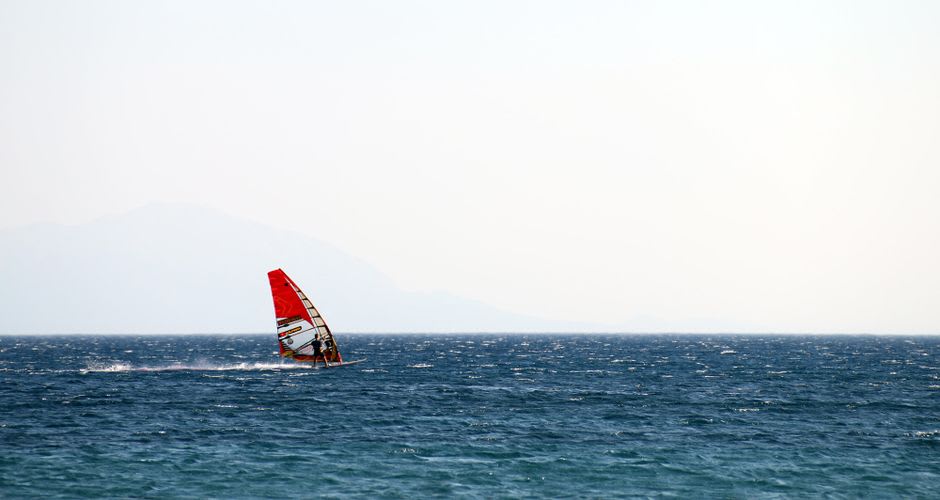
Away from Aydıncık, the coastline is mostly rock, scrub, and the occasional cove reachable only by a dirt track, which is exactly the kind of place I found myself parking the car and walking down just to see what was there, usually rewarded with a small empty beach and nobody to share it with.
When to go: July and August for the strongest, most reliable winds if you’re there to windsurf; late spring or early autumn for quieter exploring of the villages and calmer swimming coves.