Gaziantep
"I came to Gaziantep for the mosaics and stayed for the baklava, and I regret nothing about that order of priorities reversing itself."
Turkey's culinary capital and one of the oldest continuously inhabited cities on earth, where baklava is a science and Roman mosaics rival anything in Italy.
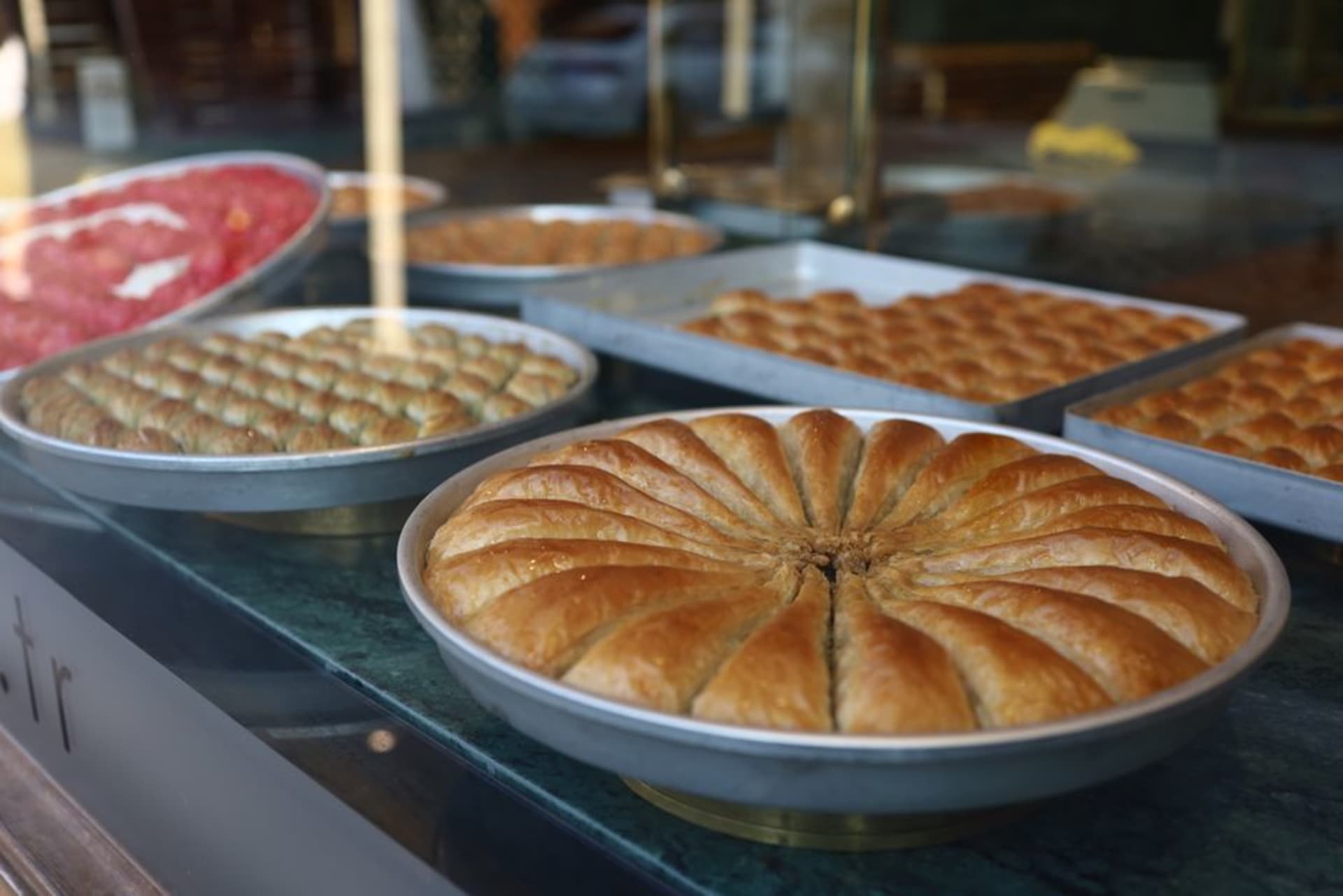
I’d been warned, repeatedly, that Gaziantep would be the best food of my entire trip through Turkey, and Turks do not make that claim lightly about a country this obsessed with what’s on the table. Still, nothing quite prepared me for arriving in a city where the baklava shops have queues at ten in the morning and the smell of roasting pistachios follows you down entire streets.
The mosaics of Zeugma
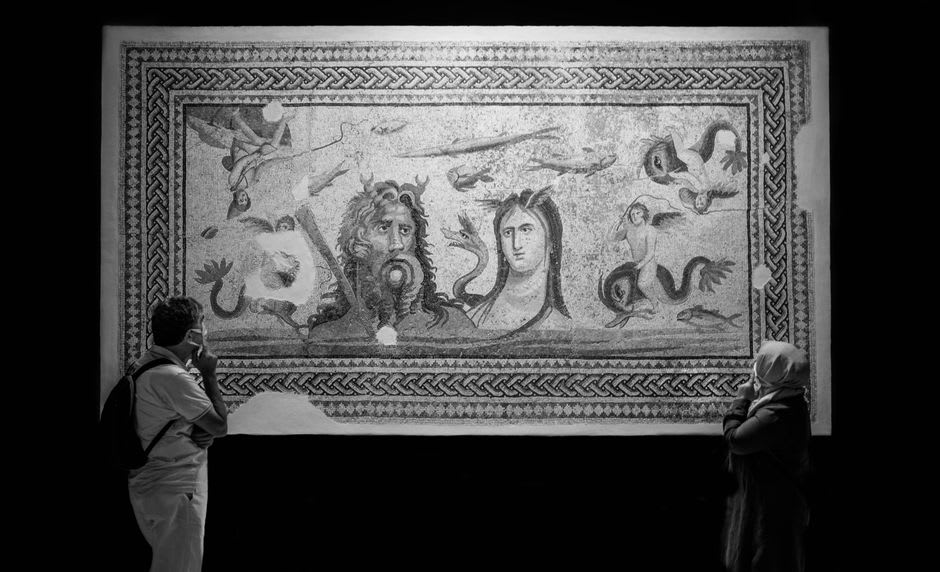
Before the food, though, there’s the Zeugma Mosaic Museum, one of the finest archaeological collections I’ve seen anywhere, built to house floor mosaics rescued from the ancient Roman city of Zeugma before it was partially flooded by a dam on the Euphrates in 2000. The centerpiece is the “Gypsy Girl” — a haunting, almost photorealistic mosaic portrait whose wide dark eyes seem to track you across the room — but the scale of the collection is what stays with you: entire villa floors reassembled, depicting Dionysus, river gods, and domestic Roman life in tesserae so fine they read almost like brushstrokes from more than a few feet away. I spent close to three hours in there and could have stayed longer.
Baklava, pistachios, and the old city
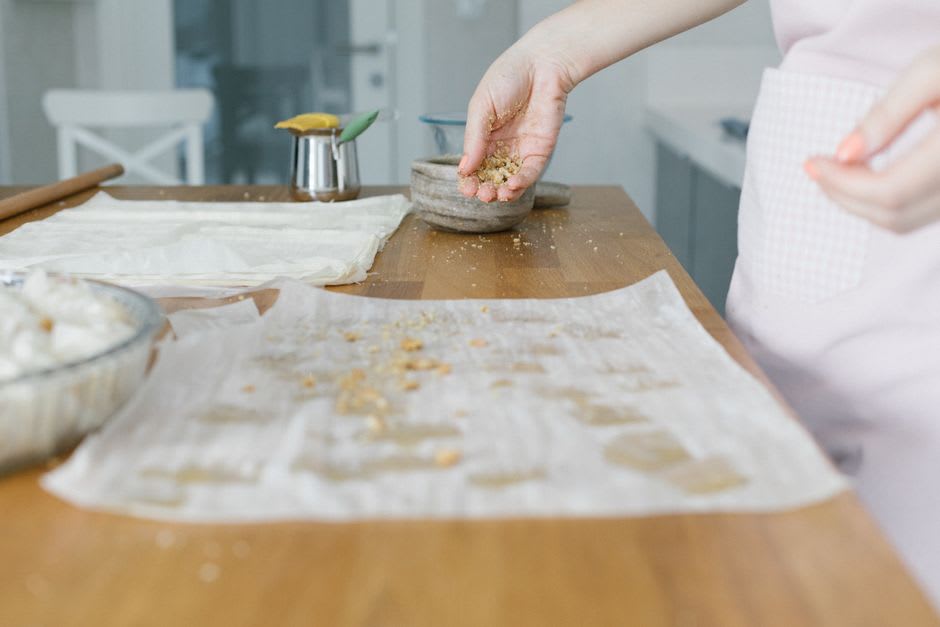
Gaziantep considers itself, with justification, the baklava capital of the world, and the difference here is the local Antep pistachio — smaller, greener, more intensely flavored than the ones sold elsewhere in Turkey. I watched a master at İmam Çağdaş, one of the city’s oldest baklava houses, roll and layer paper-thin yufra dough by hand before it went into the oven, and when the tray came out drenched in syrup and cut into diamonds, the pistachio green practically glowed. It’s a different experience from the baklava I’d had in Istanbul — less sweet, more textured, the nuts doing more work than the sugar.
Gaziantep itself has been continuously inhabited for something close to six thousand years, and the old city center reflects that layering: a Byzantine-Ayyubid citadel on a hill overlooking the whole town, stone-vaulted bazaars selling copper, spices, and the region’s famous yağlık — hand-printed cotton scarves — and restaurants serving dishes like beyran, a fiery lamb and rice soup eaten for breakfast that I can only describe as a wake-up call in bowl form.
When to go: April to May or September to November — Gaziantep’s summers are brutally hot and its position near the Syrian border makes shoulder-season travel more comfortable in every sense. Come hungry regardless of the month.