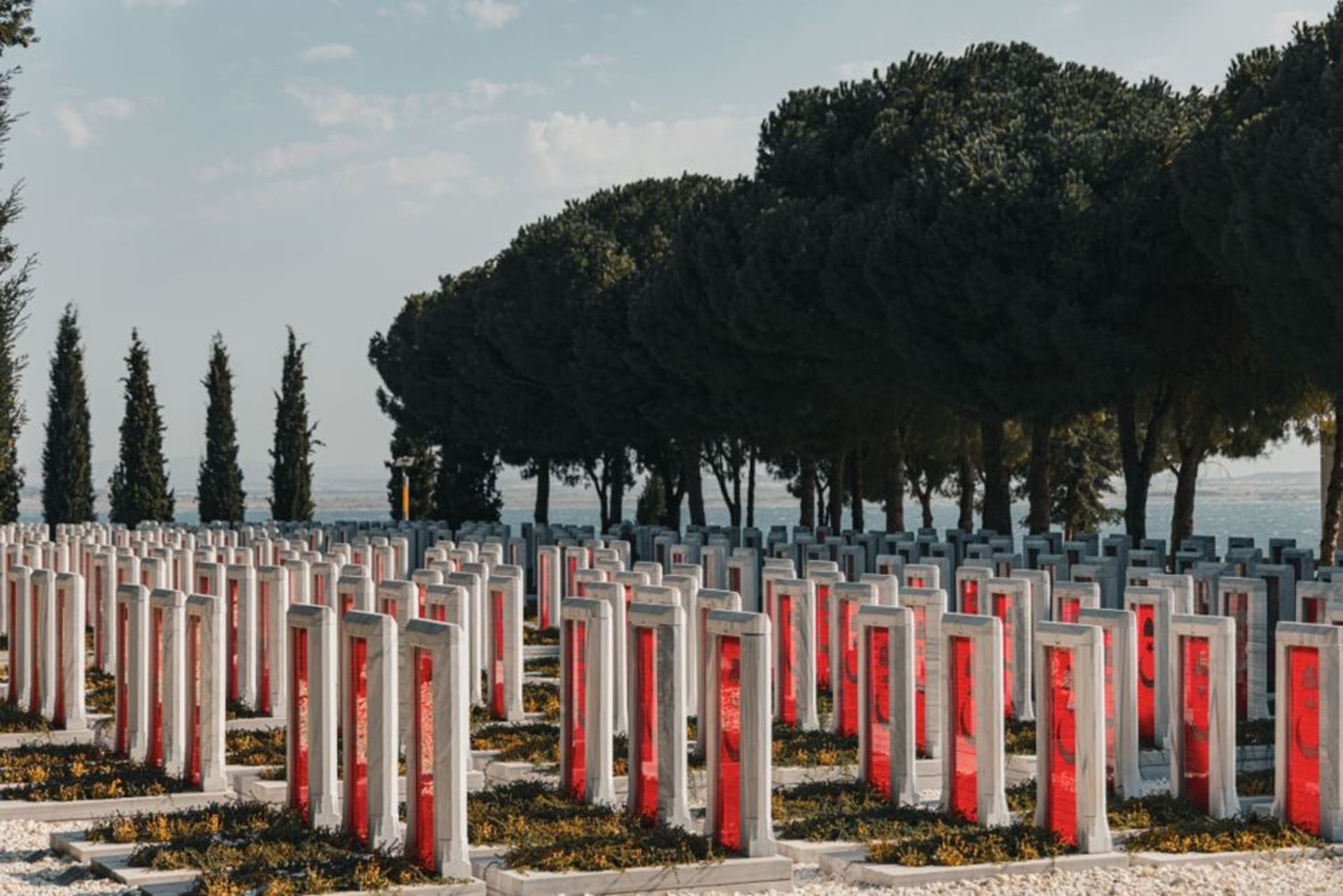
A somber WWI battlefield peninsula of pine forests and quiet cemeteries, where ANZAC Cove still carries the weight of a war that shaped nations.
Nobody warned me how beautiful Gallipoli would be, and that beauty is, in its own way, the hardest part of visiting. Pine forests roll down toward a coastline of pale beaches and clear turquoise water, the kind of Aegean scenery that would be a resort anywhere else in Turkey. Instead, every cove and ridge here is a place where, over eight months in 1915, tens of thousands of young men from Australia, New Zealand, Britain, France, and the Ottoman Empire died fighting for terrain that, from where I stood, looked almost peaceful enough to swim in.
I started at ANZAC Cove, a narrow strip of beach where Australian and New Zealand troops landed at dawn on April 25, 1915, in the wrong location entirely — meant for a gentler stretch of coast further south, they instead hit a cramped cove backed by steep, scrubby cliffs that turned the whole campaign into a brutal stalemate almost immediately. Standing on that beach, looking up at the ridgeline the soldiers had to somehow climb under fire, the tactical disaster of the landing becomes viscerally obvious in a way no textbook description managed to convey to me before.
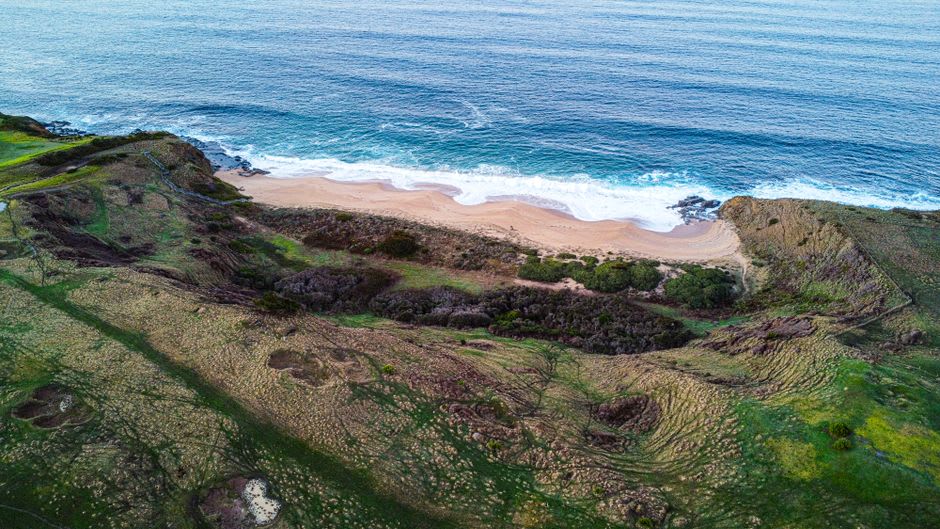
The Cemeteries Say What the Landscape Can’t
The peninsula is dotted with dozens of war cemeteries, both Allied and Turkish, small and immaculately kept, tucked into pine groves along the ridge roads. Lone Pine Cemetery, on a plateau that saw some of the campaign’s fiercest fighting, is where I spent the longest — rows of flat headstones under a single pine descended from the original that gave the site its name, many inscribed simply “known unto God” for remains that were never identified. Nearby, Turkish memorials honor the defenders with the same gravity, including a monument inscribed with words attributed to Mustafa Kemal Atatürk, addressed decades later to the mothers of the ANZAC dead, telling them their sons now lie in Turkish soil “as well as [Turkey’s] own sons” — a genuinely disarming gesture of reconciliation between former enemies that I didn’t expect to find as moving as I did.
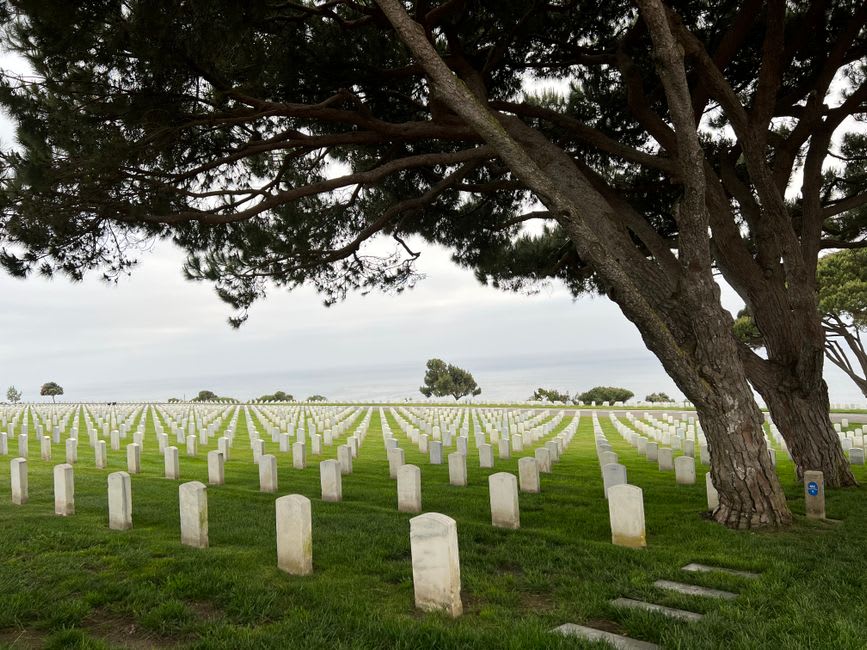
A Landscape That Asks for Quiet
There’s no single way to “do” Gallipoli — some visitors hire a guide for the historical detail, others (like me) drive the peninsula’s coastal road slowly, stopping at markers and cemeteries as they come. Either way, the effect is cumulative rather than dramatic: no single site overwhelms you, but by the fifth or sixth cemetery, the scale of what happened across this narrow strip of land settles in fully. I didn’t talk much in the car afterward. Neither did the friend I was traveling with.
When to go: April 24–25 draws large crowds for the ANZAC Day dawn service at ANZAC Cove — moving if that’s your purpose, but book accommodation in Çanakkale far in advance. Otherwise, spring or autumn on a quiet weekday lets you experience the peninsula’s cemeteries in something closer to the silence they deserve.