Erzurum
"Erzurum is Turkey with the coastal softness stripped away, and I mean that as a compliment."
A high-plateau fortress city where Seljuk stonework meets brutal winters, ski slopes above town, and a kebab worth freezing for.
I stepped off the overnight bus in Erzurum at six in the morning and the cold hit like a wall — a dry, thin, 1,800-meter cold that made my eyes water before I’d even found my gloves. This is eastern Anatolia in winter, and nobody had warned me quite how different it would feel from the Turkey I thought I knew. No turquoise coast here, no baklava-shop haze of sugar and rosewater. Just wide stone streets, men in heavy coats moving fast with their heads down, and somewhere ahead, apparently, one of the finest pieces of Seljuk architecture left standing.
The Twin Minarets
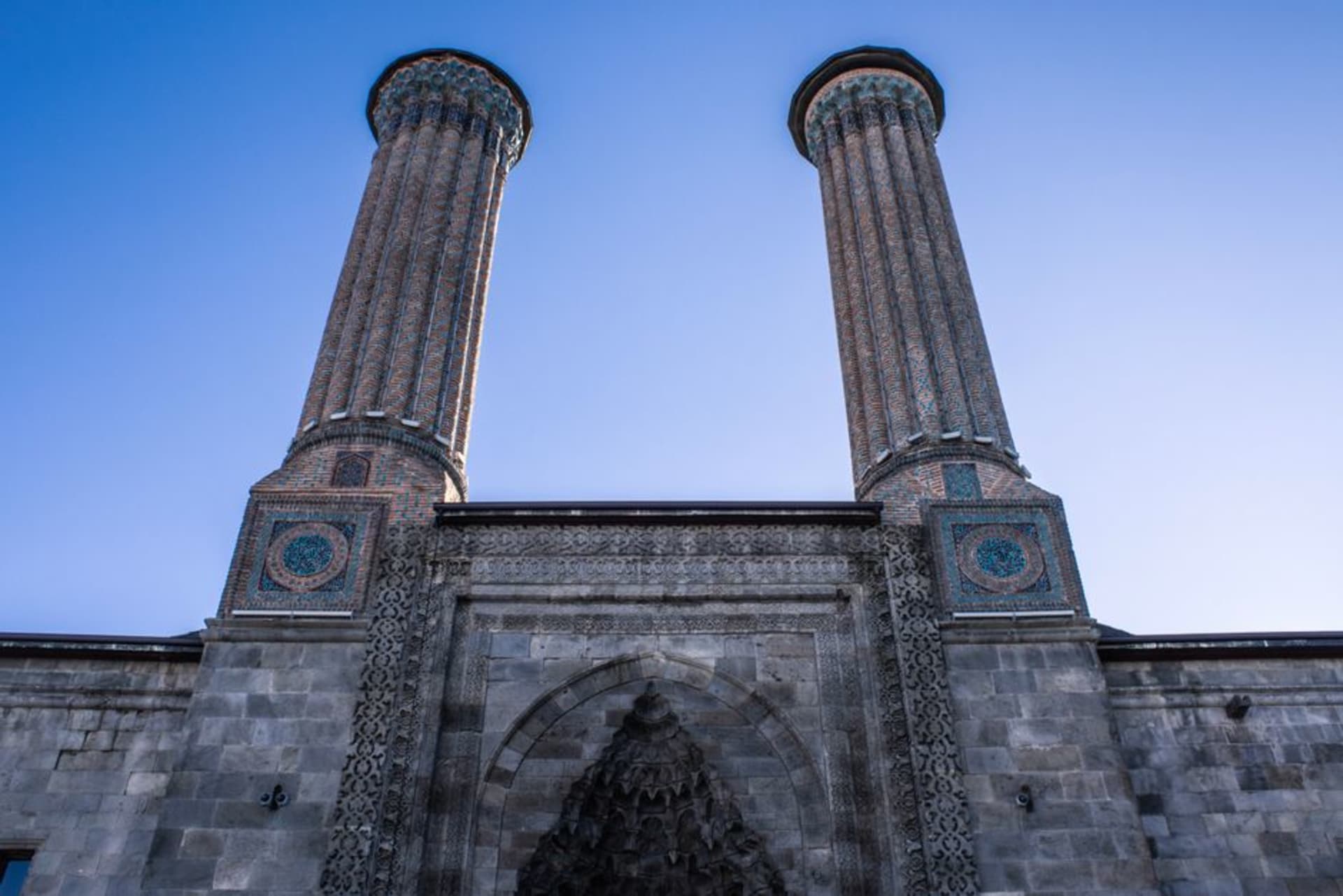
I found the Cifte Minareli Medrese mid-morning, its two ribbed minarets rising from a portal so densely carved it looked woven rather than cut. Built in the thirteenth century under Seljuk rule, it’s the kind of building that photographs undersell — you need to stand at the base and crane your neck to feel the scale of the ambition, a school of theology raised on a frontier that has changed hands more times than most countries have had elections. Inside, the courtyard was empty except for a caretaker sweeping snow off the stone, and the silence had a different quality than the silence of Istanbul’s mosques — thinner, colder, older somehow, though the building itself is younger than the Aya Sofya by a thousand years.
Cag Kebab and the Palandoken Lifts
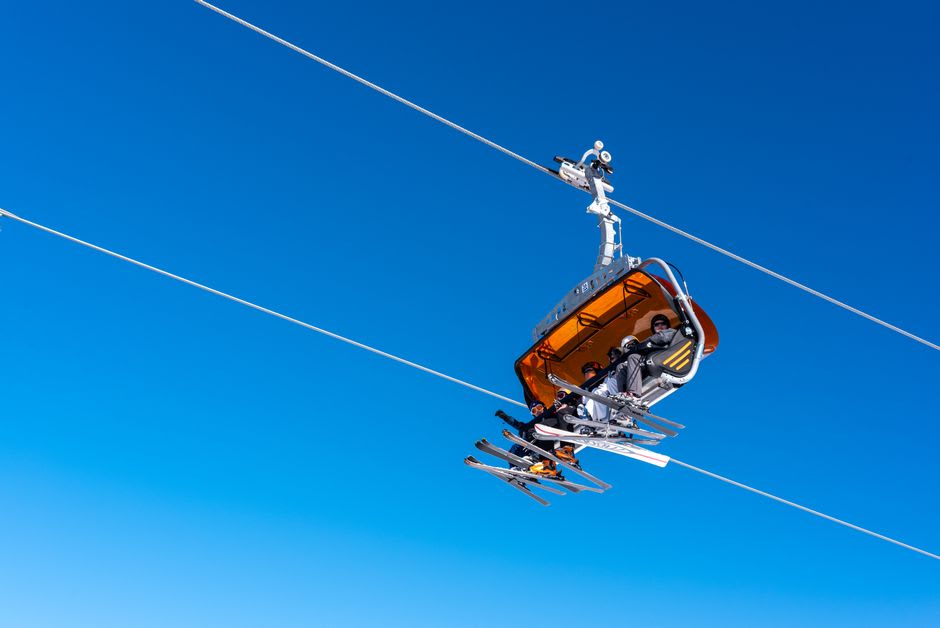
That evening a local I’d met at the hotel breakfast table insisted I try cag kebab before doing anything else in the city, and he was right to insist. Unlike the vertical doner most travelers know, cag kebab is skewered horizontally over a side-facing fire, layers of marinated lamb shaved off in thick, fatty ribbons and eaten wrapped in flatbread with raw onion and nothing else — no sauce, no garnish, just meat that tastes like it was seasoned by the altitude itself. I ate it standing at a counter with three off-duty ski instructors from Palandoken, the resort rising directly above the city where the lift line starts practically at the edge of town. They told me the snow here is famously dry and light, a quirk of the continental climate, and that Erzurum’s winters — brutal as they are for a visitor in a thin jacket — are exactly what makes both the skiing and the kebab worth the trip.
Walking back to my hotel that night, the cold had settled into something almost bracing rather than punishing, and the city felt less like a stop on the way to somewhere else and more like a place that had earned its own gravity — built by empires who understood that a fortress on a windswept plateau needed to be beautiful too, not just defensible.
When to go: December through March for skiing at Palandoken and a proper taste of the eastern Anatolian winter; June through September if you’d rather see the medrese without losing feeling in your fingers.