Edirne
"Sinan called the Selimiye his masterpiece, and I'm not going to be the one to argue with him."
The Ottoman capital before Istanbul, home to Sinan's architectural masterpiece and a centuries-old oil-wrestling tradition, right on the Balkan border.
Edirne sits close enough to the Bulgarian and Greek borders that, standing in certain parts of town, you’re genuinely just a short drive from three different countries — a fact that felt strange to sit with, given how deeply, unmistakably Ottoman the city still feels. This was the Ottoman Empire’s capital for nearly a century before Mehmed the Conqueror took Constantinople in 1453, and it never fully surrendered that sense of civic importance even after the court moved on. Walking in from the otogar (bus station), past Ottoman bridges still carrying traffic over the Tunca river, the city announces its history without needing to try very hard.
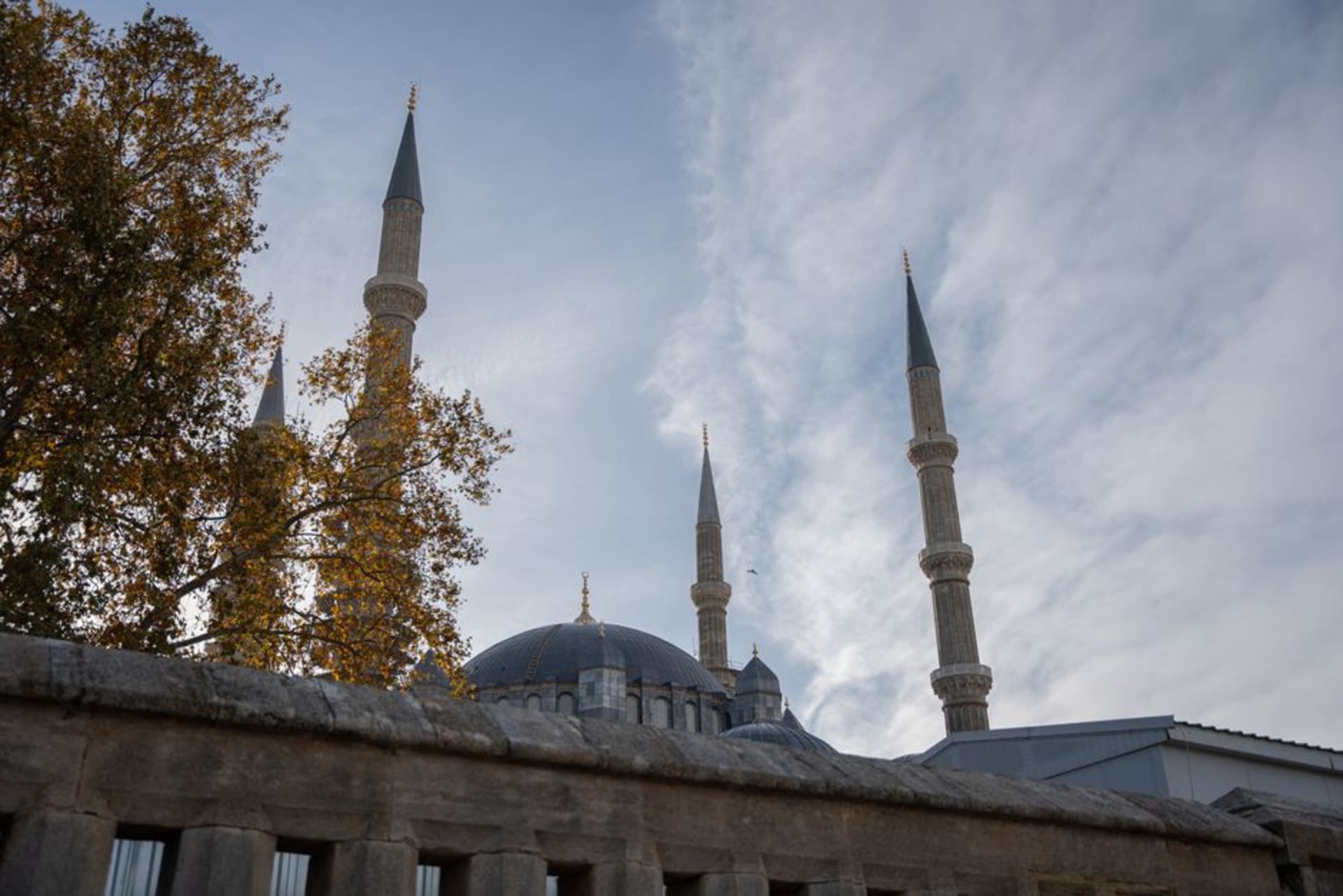
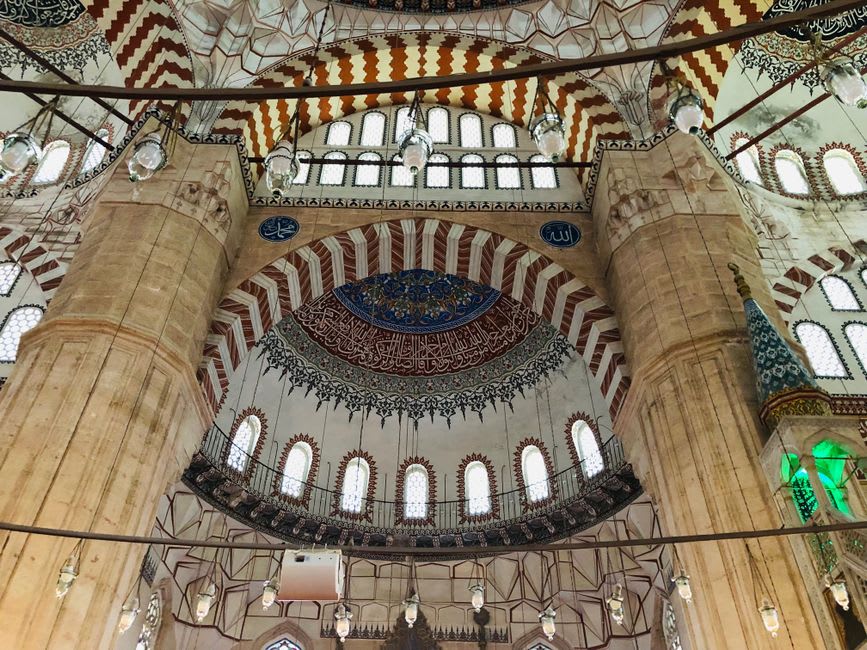
The reason to come, though, and the reason I’d drive back tomorrow if someone asked, is the Selimiye Mosque. Its architect, Mimar Sinan — the single most important figure in Ottoman architecture, responsible for hundreds of buildings across the empire — considered this his masterwork, built in his old age after a lifetime perfecting the form, and he wasn’t being falsely modest. Four minarets, each over 70 meters tall and among the tallest in the world when built, frame a dome that Sinan engineered to surpass, deliberately, the dome of Hagia Sophia, the building that had haunted Ottoman architects for a century as the benchmark nobody had cleanly beaten. Standing under that dome, the space feels almost impossibly light for its size, lit through a ring of windows that makes the whole interior glow rather than loom.
Grease, Grass, and an 800-Year-Old Wrestling Match
I did not expect oil wrestling to be the highlight of an architectural trip, but Edirne complicates plans like that. The Kırkpınar oil wrestling festival, held here every year since documented records begin in the 14th century — making it one of the oldest continuously running sporting events on the planet — sees wrestlers coat themselves in olive oil and compete on a grass field outside the city in bouts that can run for well over an hour. I wasn’t there during festival season, but a local café owner spent a genuinely joyful twenty minutes explaining the rules to me with his hands more than his English, miming grips and holds, clearly delighted that a foreigner was asking. That kind of unguarded local pride, over something so specific and so unrelated to typical postcard tourism, is exactly the kind of moment that makes a detour worth it.
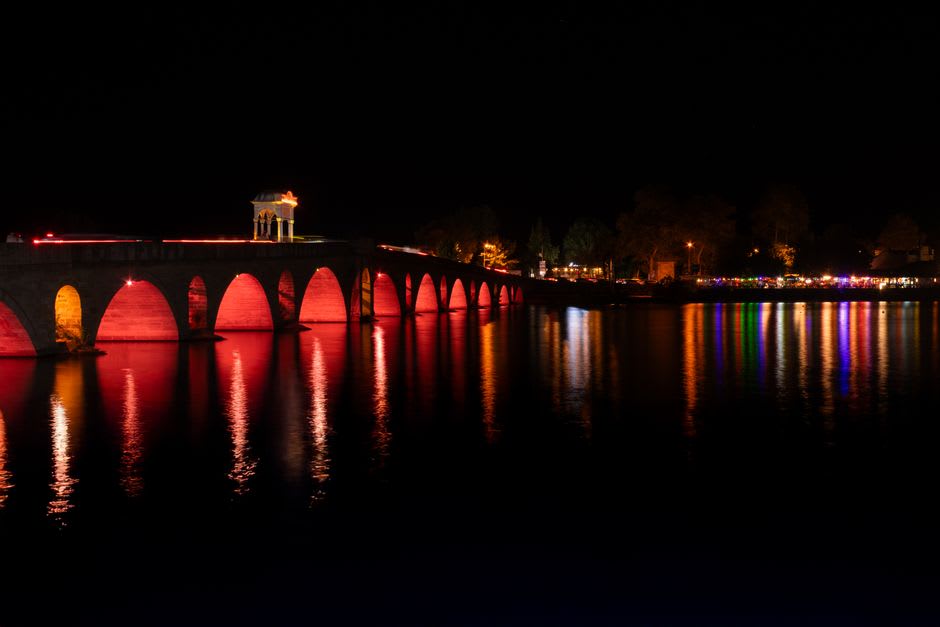
When to go: Late June/early July if you can time it with the Kırkpınar festival — genuinely unlike anything else in Turkey. Otherwise, spring or autumn for comfortable walking weather around the old bridges and mosque courtyards.