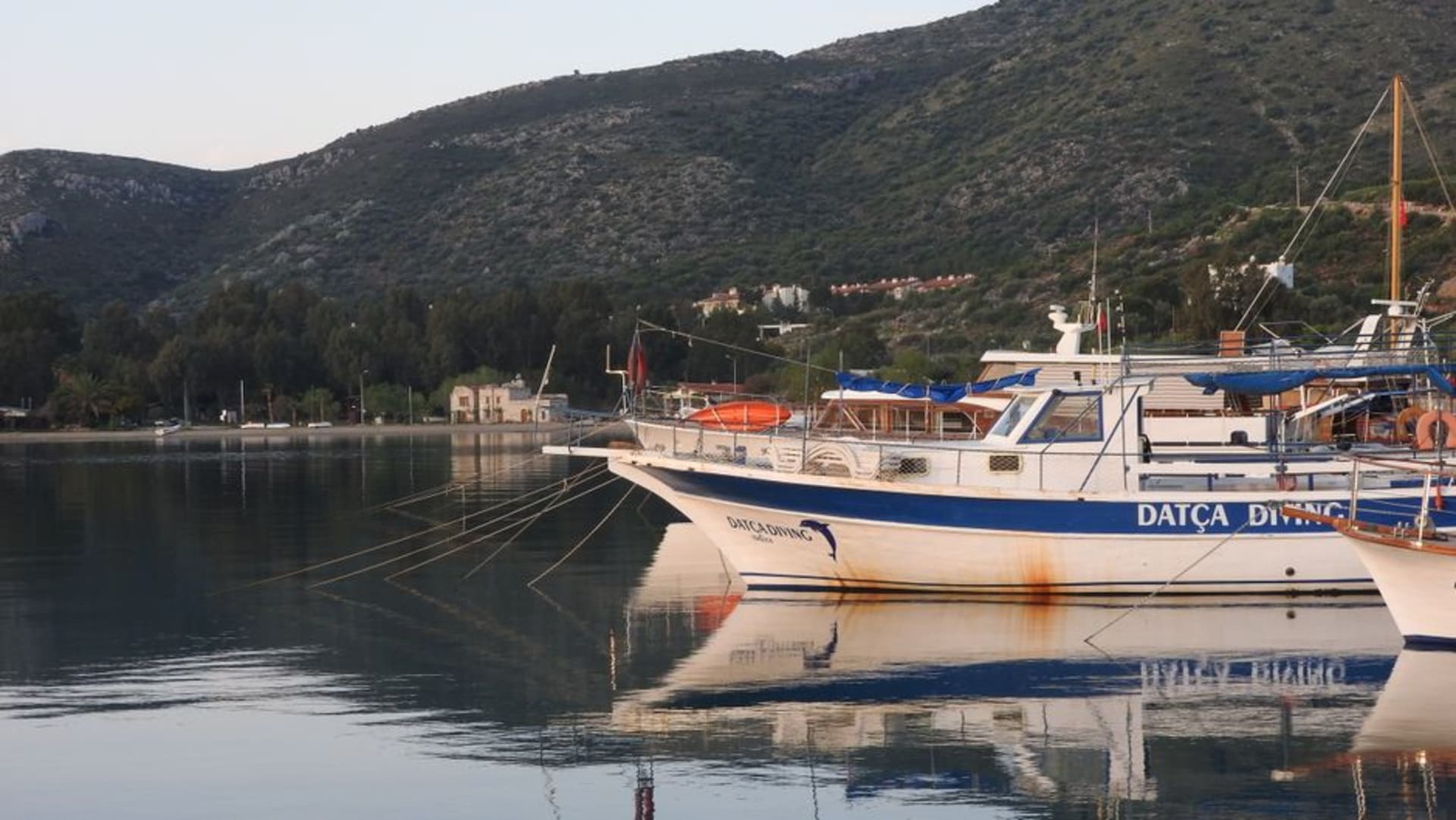
A remote peninsula town between two seas where almond orchards outnumber hotels, and the pace slows the moment Bodrum's traffic disappears in the rearview mirror.
The drive out to Datça takes you along a peninsula so narrow in places that you can glimpse the Aegean out one window and the Mediterranean out the other, and somewhere around the halfway point the traffic from Marmaris simply thins out and stops. I’d been warned Datça was quiet compared to its neighbors, but I hadn’t expected quiet to mean an entire stretch of coastal road with almond trees on both sides and not another car in sight for ten minutes at a time.
A Town That Never Learned to Hurry
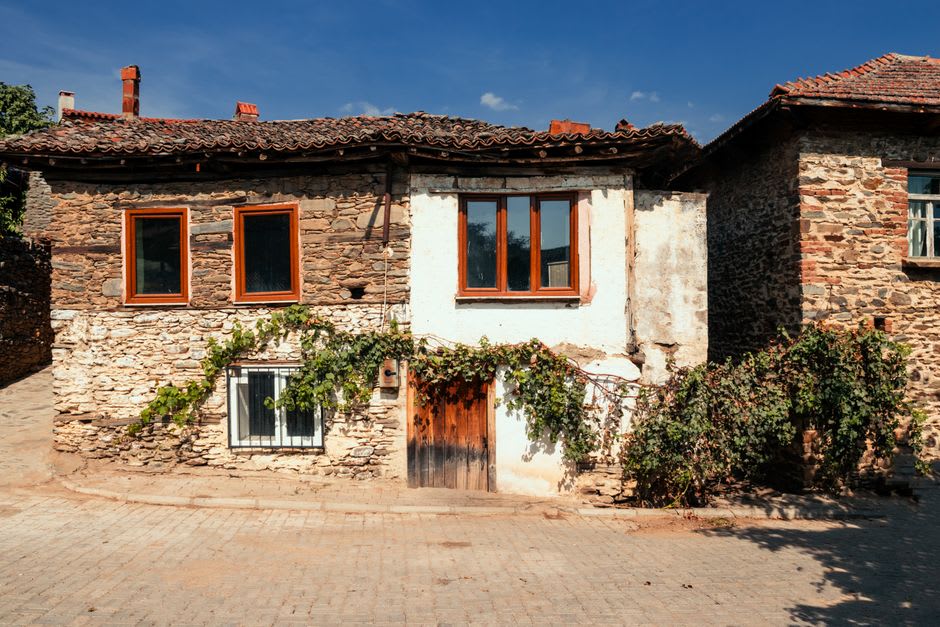
The old town, up on the hill above the harbor, is a knot of stone houses and narrow lanes shaded by grapevines trained overhead on wooden trellises, and I spent an aimless hour just wandering it without a destination, which is really the correct way to see it. Down at the harbor, fishing boats share space with a handful of yachts, and the evening ritual seemed to be the entire town walking the same stretch of waterfront after the heat broke, stopping to talk to whoever they passed. A woman running a small pottery stall, Nesrin, told me she’d moved from Istanbul a decade ago and had never once regretted it, gesturing at the harbor like the argument made itself.
Locals here will tell you, with a straight face and apparently some archaeological backing, that Datça is where the philosopher Aristotle spent time — the ancient city of Knidos, at the peninsula’s tip, was renowned enough in antiquity to have hosted serious scholarly visitors, and whether or not the specific claim holds up, the ruins at Knidos are worth the drive regardless: a harbor split in two by a partially submerged breakwater, a round temple platform, and almost no one else there when I visited on a weekday afternoon.
Almonds, Honey, and an Unhurried Coast
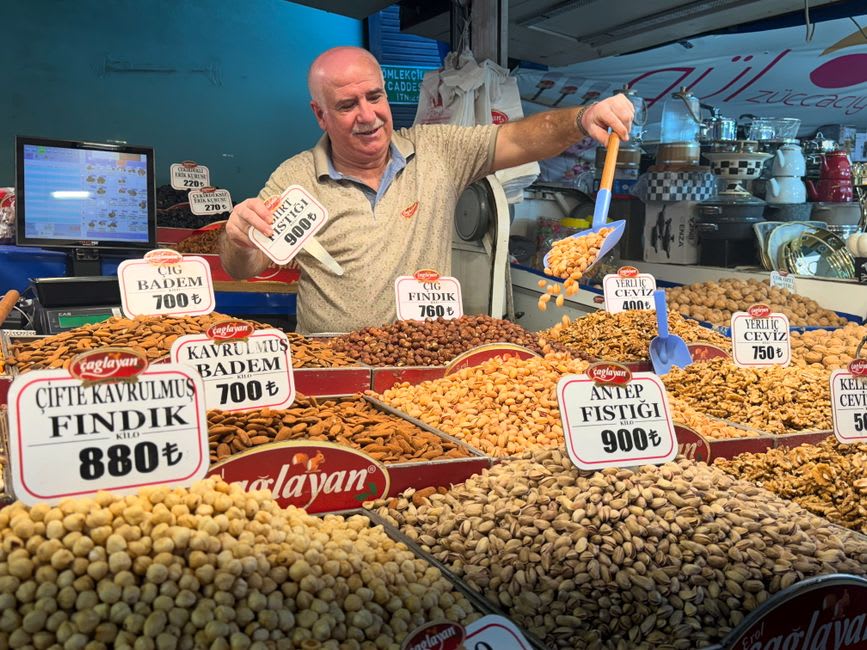
Inland, the peninsula’s almond orchards are a big part of local life — Datça almonds have a reputation across Turkey, and roadside stands sell them raw, roasted, or pressed into a paste I hadn’t encountered before and now regret not buying more of. I stopped at one stand run by a farmer who insisted I try three varieties before letting me pay, ranking his own harvest with the unbothered confidence of someone who has never had to compete for customers.
Compared to Bodrum, ninety minutes back up the coast and unmistakably louder, Datça felt like the version of this coastline that decided not to change.
When to go: June and September for warm, calm seas without Bodrum-adjacent crowds; the peninsula’s exposed roads and coves get genuinely windy in mid-summer afternoons, which locals actually welcome for the relief from the heat.