Dalyan
"Dalyan is a river town that happens to have kings' tombs carved into the cliff above it, and treats this as entirely normal."
A river town where loggerhead turtles nest on İztuzu Beach and Lycian rock tombs stare down from the cliffs above the water, with a mud-bath spa tradition to match.
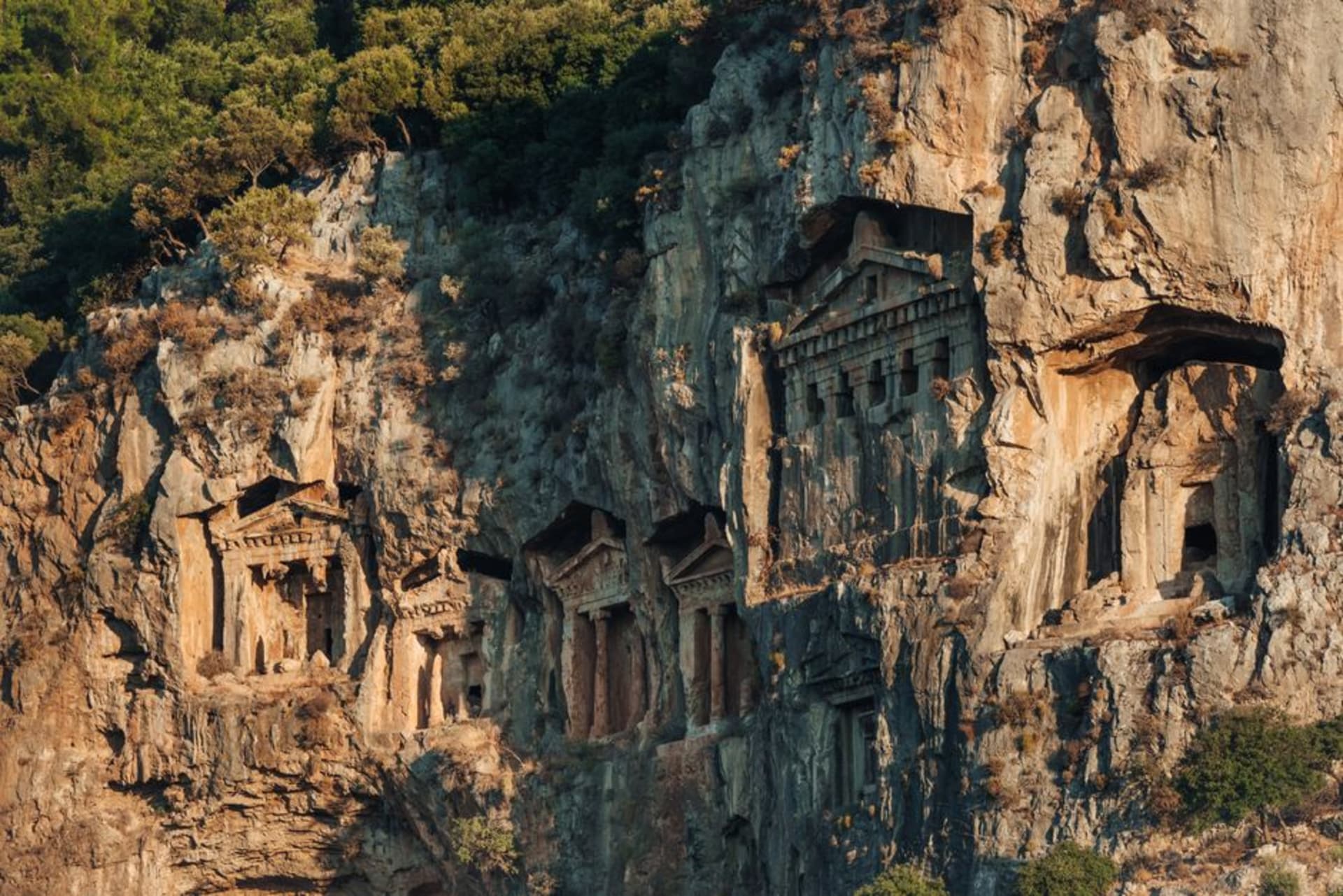
The first time I saw the Lycian rock tombs of Dalyan, I was on a small wooden boat drifting down the river, and I genuinely gasped — four enormous temple facades cut directly into the sheer cliff face above the water, carved more than two thousand years ago to house the dead of the ancient city of Kaunos, glowing orange in the late afternoon light. They’re visible from almost anywhere along the river, and the town has arranged itself so casually around this staggering backdrop that locals barely glance up at what would be the single biggest attraction in most other countries. I stayed a few nights in a small pension right on the water and had my morning coffee every day with those tombs in direct view, which is not a sentence I expected to write about breakfast.
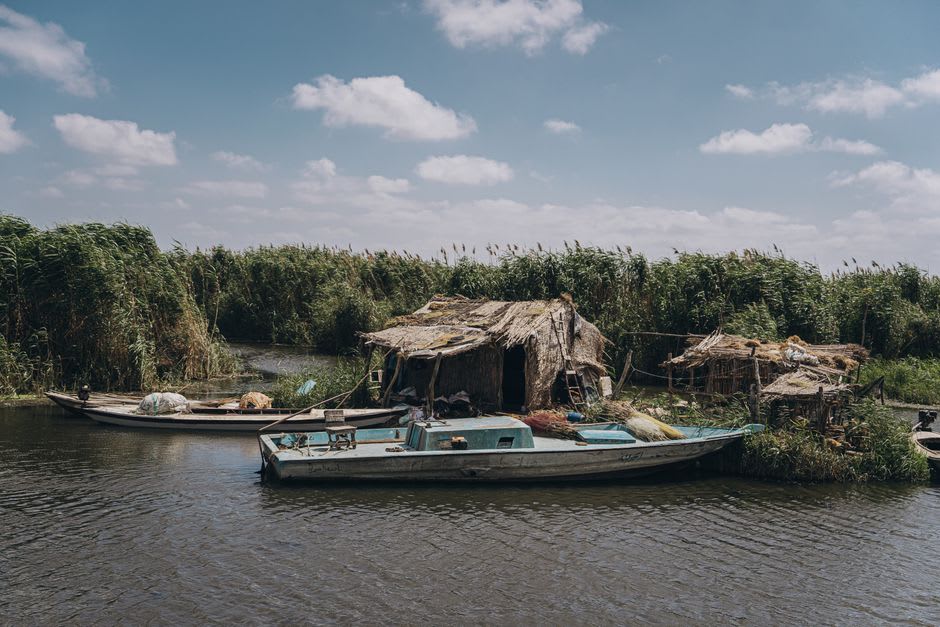
Dalyan’s river is the town’s main artery in every sense — reed beds, turtles, kingfishers, and small boats ferrying people down to the coast, since the town itself has no direct beach access. The whole trip down to İztuzu Beach takes about half an hour by boat through the delta, past fishermen and the occasional heron standing motionless in the shallows, and it’s a beautiful, unhurried way to reach the sea.
Turtle Beach and the Mud Baths
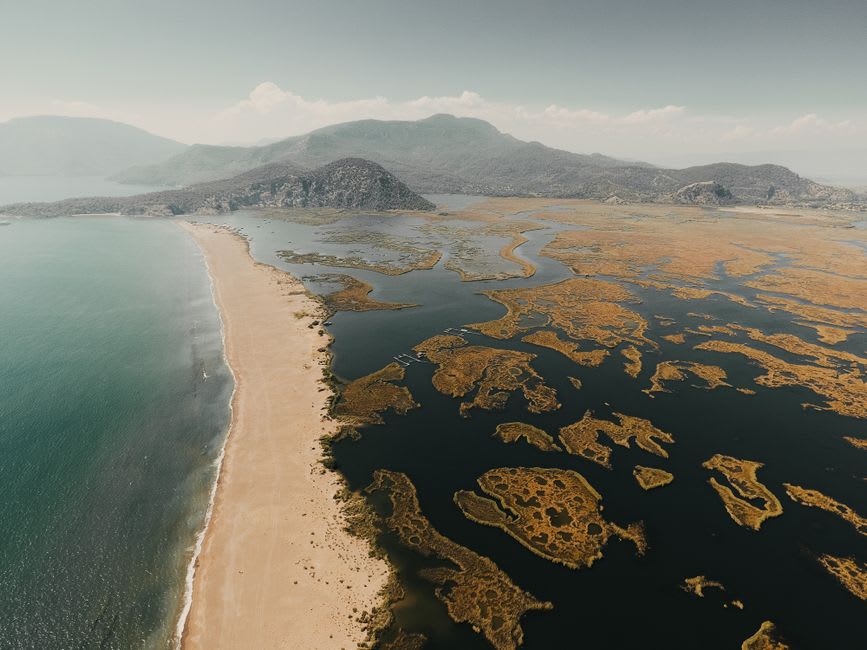
İztuzu Beach — universally known as Turtle Beach — is one of the most important nesting sites in the Mediterranean for loggerhead sea turtles, and development has been deliberately restricted here for decades to protect them, which means no beach bars, no sun loungers crowding the sand, and strict rules about lights and noise at night during nesting season. I walked the beach at dusk with a guide who pointed out roped-off nest sites, explaining how volunteers track and protect each clutch of eggs through the summer, and there was something quietly moving about a beach this beautiful being kept deliberately undeveloped for the sake of a species that’s been coming here far longer than any tourist has.
On the way back upriver, most boats stop at the mud baths near Sultaniye, where a warm sulfurous spring feeds into pools of thick grey mud that tourists and locals alike smear over themselves before baking dry in the sun and rinsing off in a hot spring pool nearby. It’s ridiculous and wonderful in equal measure — I stood there covered head to toe in mud next to a group of Turkish grandmothers who were clearly regulars, all of us drying stiff and cracked under the sun like a group of amateur pottery.
When to go: May and June for the start of turtle nesting season and pleasant river-boat weather. Late September into October is quieter and still warm, though July and August bring the strongest sun for the mud baths and beach.