Avanos
"Avanos smells like wet clay and diesel from the river ferries, and somehow that's exactly right."
A red-clay pottery town on the banks of the Kizilirmak, where potters still work foot-powered wheels using techniques traced to the Hittites.
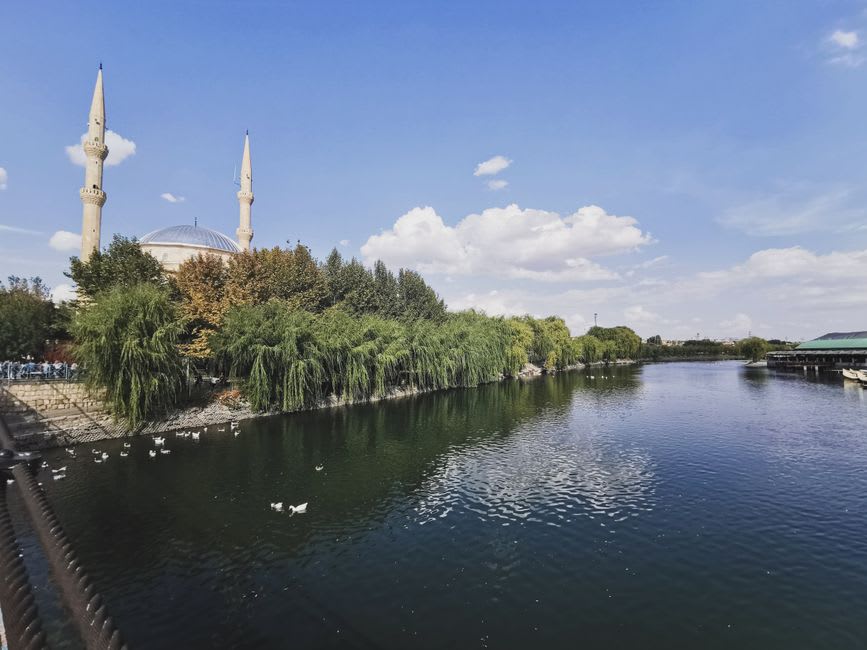
I crossed the Kizilirmak — the Red River, Turkey’s longest, and the reason this whole town exists — on a bridge lined with shopfronts selling pottery in every shade of terracotta, ochre, and deep rust, and it took me a moment to register that the river itself really does run reddish-brown, carrying the iron-rich clay sediment downstream that has kept Avanos in business for something like four thousand years. Where Goreme sells you balloon flights and Uchisar sells you a view, Avanos sells you an actual craft, one you can watch being made in real time in workshop after workshop lining the old town’s narrow streets.
Learning the Wheel
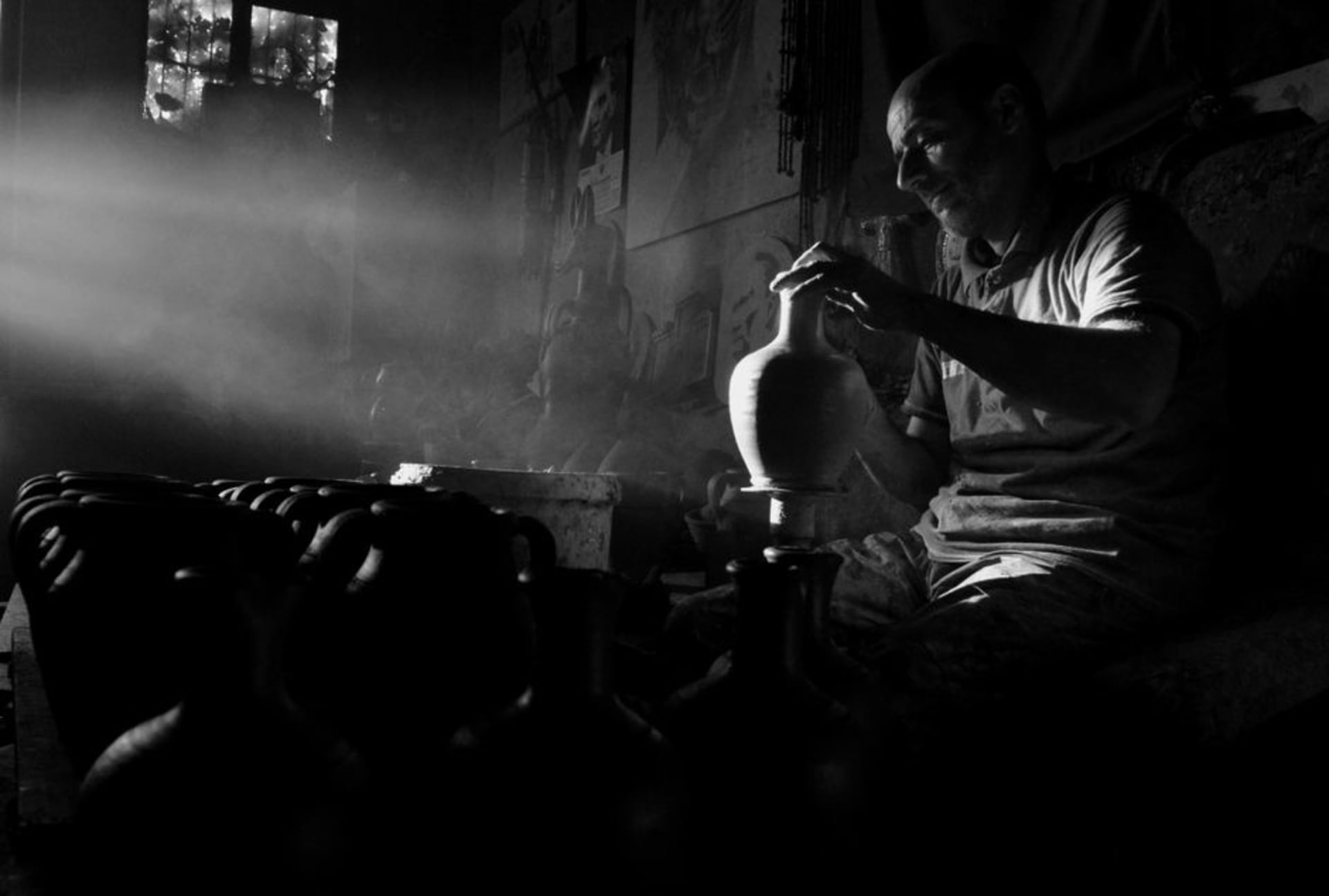
I ducked into one of the family workshops just off the main square, where a potter in his sixties named Mehmet was working a wheel powered entirely by his own foot, kicking a heavy stone flywheel below the table to keep the clay spinning while his hands, barely moving, coaxed a jug up out of a shapeless lump in under two minutes. He told me his family had been making pottery in Avanos for five generations, and that the clay from the Kizilirmak had a particular plasticity that potters here consider unmatched — this exact craft, using this exact red clay, is documented back to the Hittites, who occupied this region more than three thousand years ago and left behind ceramic fragments that Avanos’s own potters now display proudly in their workshop windows next to their contemporary wares.
Trying It Myself, Badly
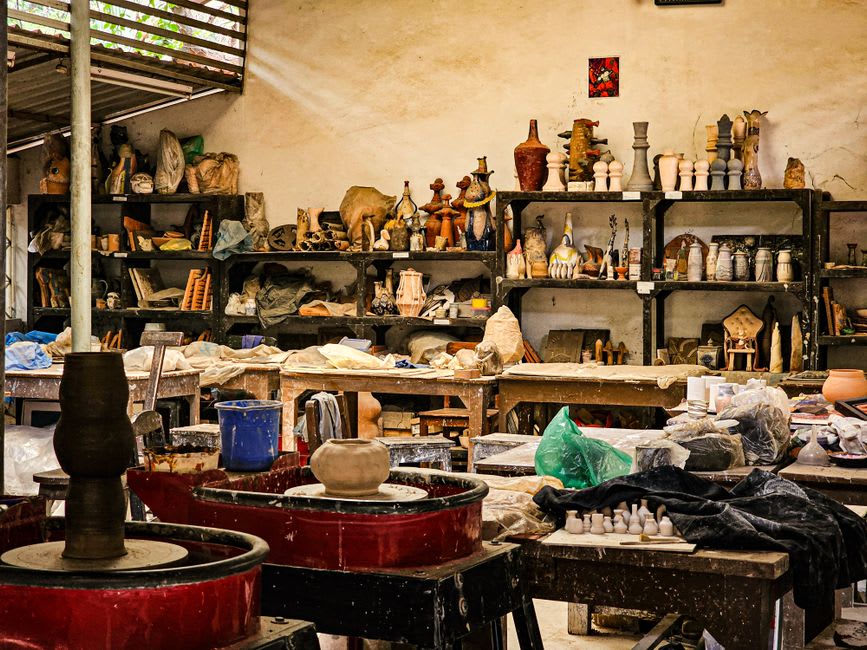
Mehmet insisted I sit down and try the wheel myself, and what followed was a genuinely humbling five minutes in which a lump of clay that had looked so obedient in his hands turned, in mine, into something closer to a collapsing mud pie. He laughed, reset it without a word of complaint, and finished the piece himself while I wiped clay off my forearms and tried to look like I’d learned something. I bought a small glazed cup from his shop afterward — lopsided in a way I now suspect was generously left uncorrected on purpose — and it sits on my desk back home as the least dignified souvenir I own and one of my favorites.
When to go: Spring and autumn for pleasant walking weather along the river, though the pottery workshops operate year-round and make a good rainy-day detour from Goreme or Uchisar.