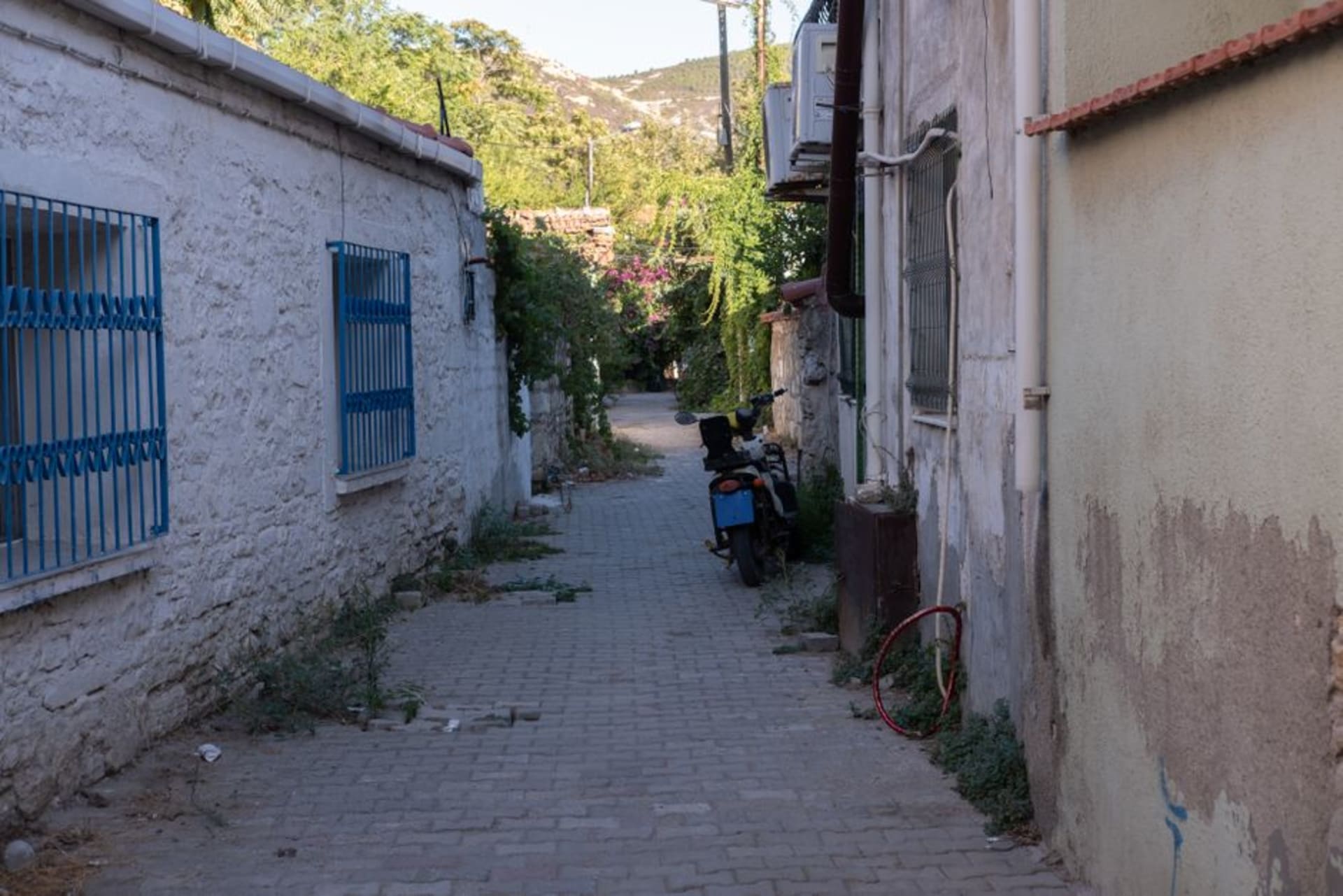
Antakya (Hatay)
"Antakya carries more layered history per square meter than almost anywhere I've stood, and now it carries a wound too."
Ancient Antioch, Turkey's most religiously and culturally layered city near the Syrian border, rebuilding after the devastating 2023 earthquake with its distinctive cuisine intact.
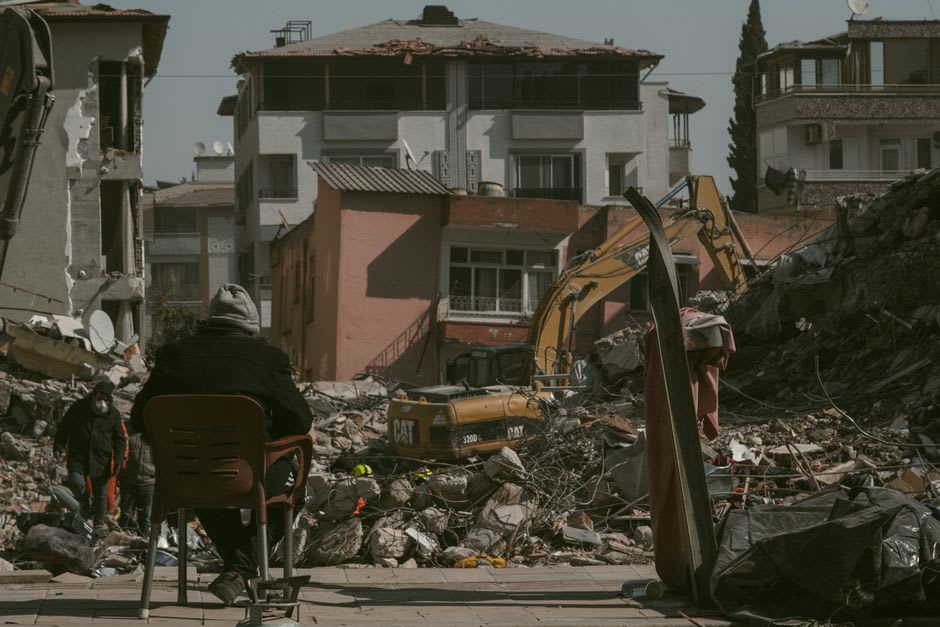
I went to Antakya knowing it would be a heavier visit than most stops on this trip, and it was. This is ancient Antioch, one of the great cities of the classical and early Christian world — where the followers of Jesus were first called Christians, according to the Book of Acts, and where Roman, Byzantine, Seleucid, Armenian, and Ottoman layers all sit stacked on top of each other in a way that made the city, before February 2023, feel like a living cross-section of Mediterranean civilization. Then came the earthquake, and much of Antakya’s historic core — the old souks, centuries-old stone houses, entire neighborhoods — was devastated. Walking through parts of the city, past cleared lots and buildings still shored up with scaffolding, was sobering in a way I hadn’t fully prepared for, even having read about the scale of the damage beforehand.
And yet the city is unmistakably rebuilding, with a determination that felt less like forced optimism and more like people simply getting on with it. I met a restaurant owner whose family business had operated from the same building for three generations before the quake; he was serving food out of a temporary tent structure nearby, using the same recipes, refusing to let the interruption become an ending. Hatay province’s cuisine, distinct from anywhere else in Turkey, is reason enough on its own for the trip — dishes shaped by Arab, Armenian, and Levantine influence that you won’t easily find elsewhere in the country.
A Cuisine and a Faith Both Layered Deep
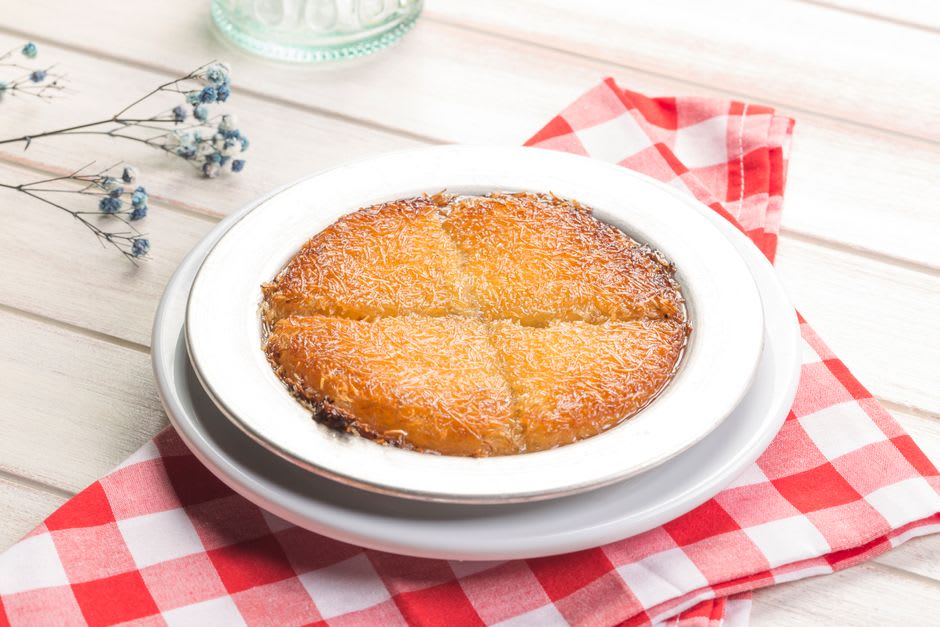
I ate künefe — a syrup-soaked, cheese-filled pastry that Hatay claims as its own specialty, distinct even from the version served in the rest of Turkey — at a bakery that had reopened just months before my visit, the owner telling me proudly that people had been lining up outside since 6am the day they reopened. I also tried Hatay’s version of hummus, its distinctive muhammara, and a dish of raw meat kibbeh seasoned with a depth of spice I hadn’t encountered further north or west. The Grotto of St. Peter, a cave church cut into the mountainside above the city and considered one of the earliest sites of Christian worship, survived largely intact, and standing inside its cool stone interior, a short walk from streets still visibly scarred, gave the whole visit a strange, moving sense of continuity — this place has absorbed catastrophe before and endured.
Hatay’s population has long included Arabic-speaking Turks, Armenians, and Alawites alongside Sunni Turks, and that layered identity is still audible on the street, where Arabic and Turkish mix in the same conversations. It’s not an easy visit right now, and I’d encourage going with humility rather than a checklist, but Antakya remains one of the most singular places in the country.
When to go: Spring or autumn for mild weather, and go with the understanding that this is a city still actively rebuilding — check current conditions before travel, be respectful with photography around damaged areas, and support local businesses that have reopened.