Alaçatı
"Alaçatı is what happens when a sleepy Greek village gets discovered by Istanbul's design crowd and nobody objects."
A restored Ottoman-Greek stone village turned chic windsurfing capital, its cobbled lanes lined with boutique hotels and artichoke fields running down to the sea.
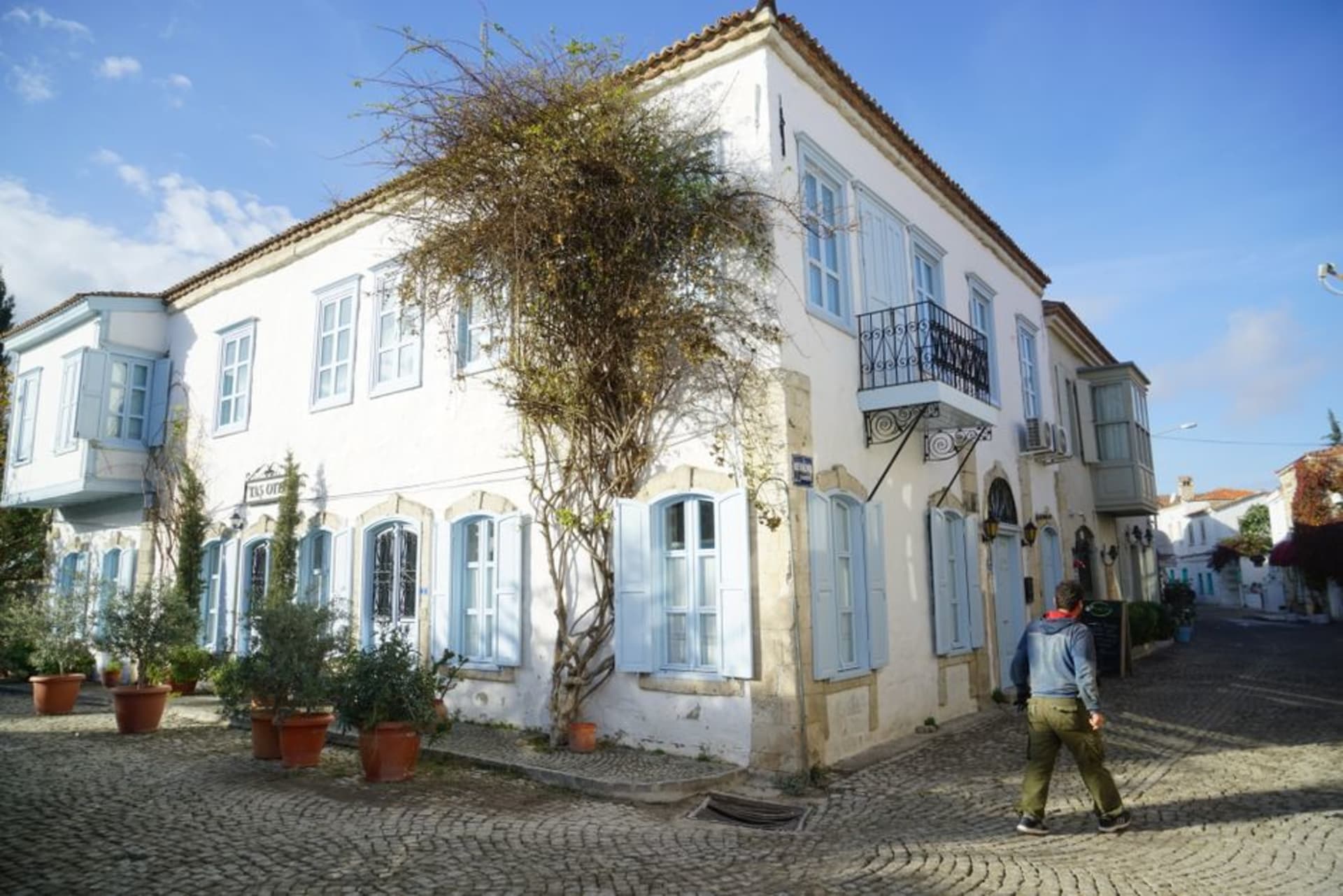
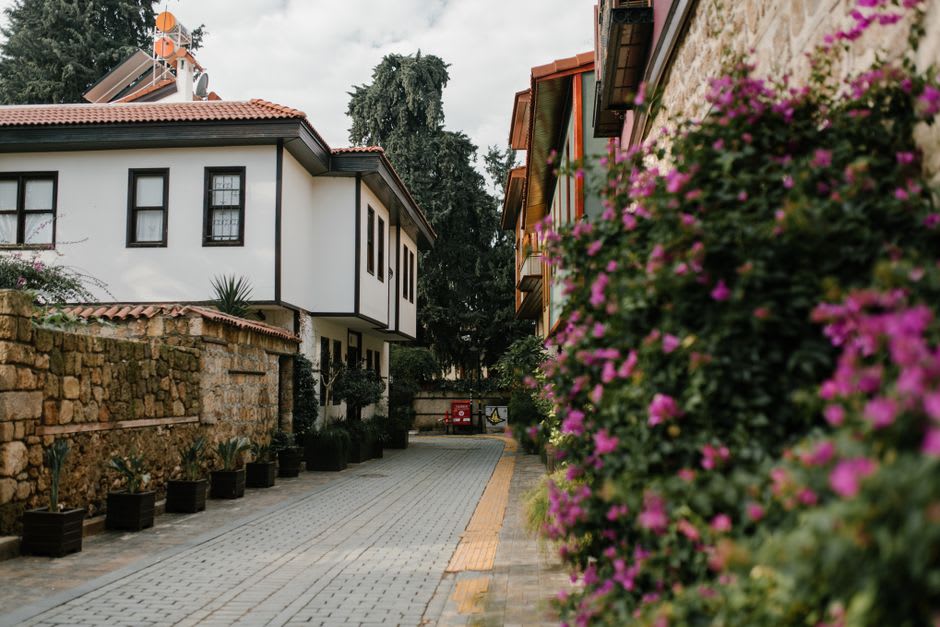
Alaçatı announces itself in stone. I came in from Çeşme by dolmuş, and within a few minutes of walking the old quarter I understood why every design magazine in Turkey has run a feature on this town at some point — the streets are a tight grid of cobbled lanes lined with restored Ottoman-Greek houses, thick stone walls painted white or left bare, wooden shutters in faded blues and greens, bougainvillea spilling over every second doorway. It was originally a Greek Orthodox village before the population exchange of 1923, and the architecture still carries that Aegean-island DNA, which is precisely what Istanbul’s design-conscious weekenders fell for a couple of decades ago and never really let go of.
I stayed in a boutique hotel that had clearly once been someone’s modest stone house — thick walls kept the room cool without air conditioning, a small interior courtyard held a single olive tree and a breakfast table, and the whole thing had the unhurried, considered feel of a place renovated with real care rather than a quick coat of paint. In the evening the main pedestrian street, Kemalpaşa Caddesi, fills with people drifting between concept stores, wine bars, and restaurants spilling tables out onto the cobblestones, and I remember thinking it felt more like a village in the Cyclades than anywhere I’d been on Turkey’s Aegean coast.
Wind, Water, and Artichokes
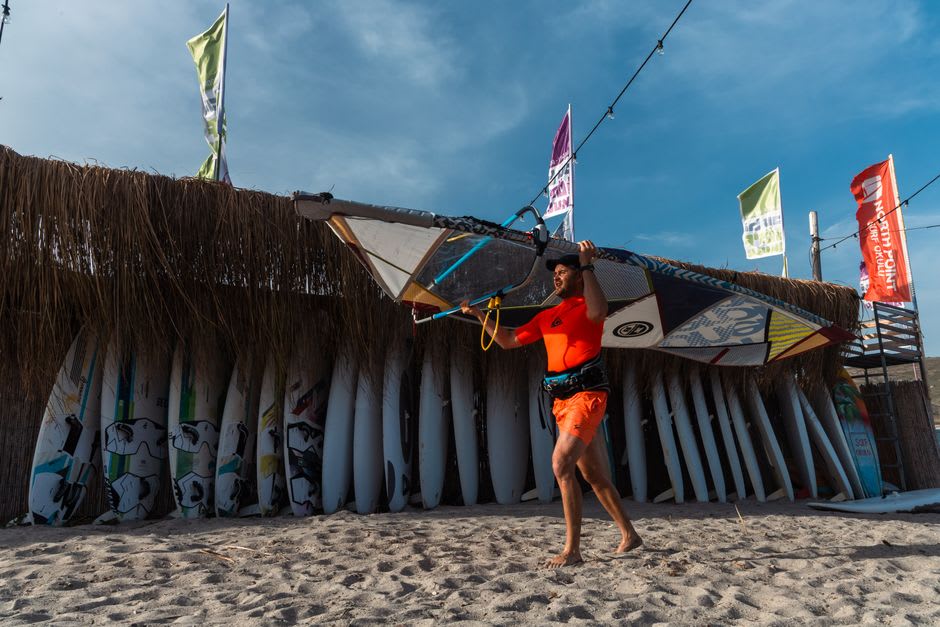
Alaçatı’s other identity, and arguably its original claim to fame before the boutique hotels arrived, is windsurfing. The bay just south of town has a shallow, warm lagoon with remarkably consistent thermal winds, and it’s considered one of the best windsurfing and kitesurfing spots in Europe. I’m no windsurfer, but I spent a whole afternoon at a beach bar watching dozens of sails criss-crossing the bay in the strong afternoon meltemi, the water so shallow in places that beginners were just standing and learning to balance without much risk of a hard fall.
Inland, the flat, fertile land around Alaçatı grows a surprising crop for a beach town: artichokes. The town holds an annual Artichoke Festival in the spring, and even outside festival season I ate them everywhere — stewed in olive oil, stuffed, grilled — a genuinely local specialty that has nothing to do with the boutique-hotel image and everything to do with the actual soil the town sits on.
When to go: May and June for strong, steady winds and blooming artichoke fields, before the July-August crowd of Istanbul weekenders drives prices up. Early October still has good wind and warm water with a calmer social scene.