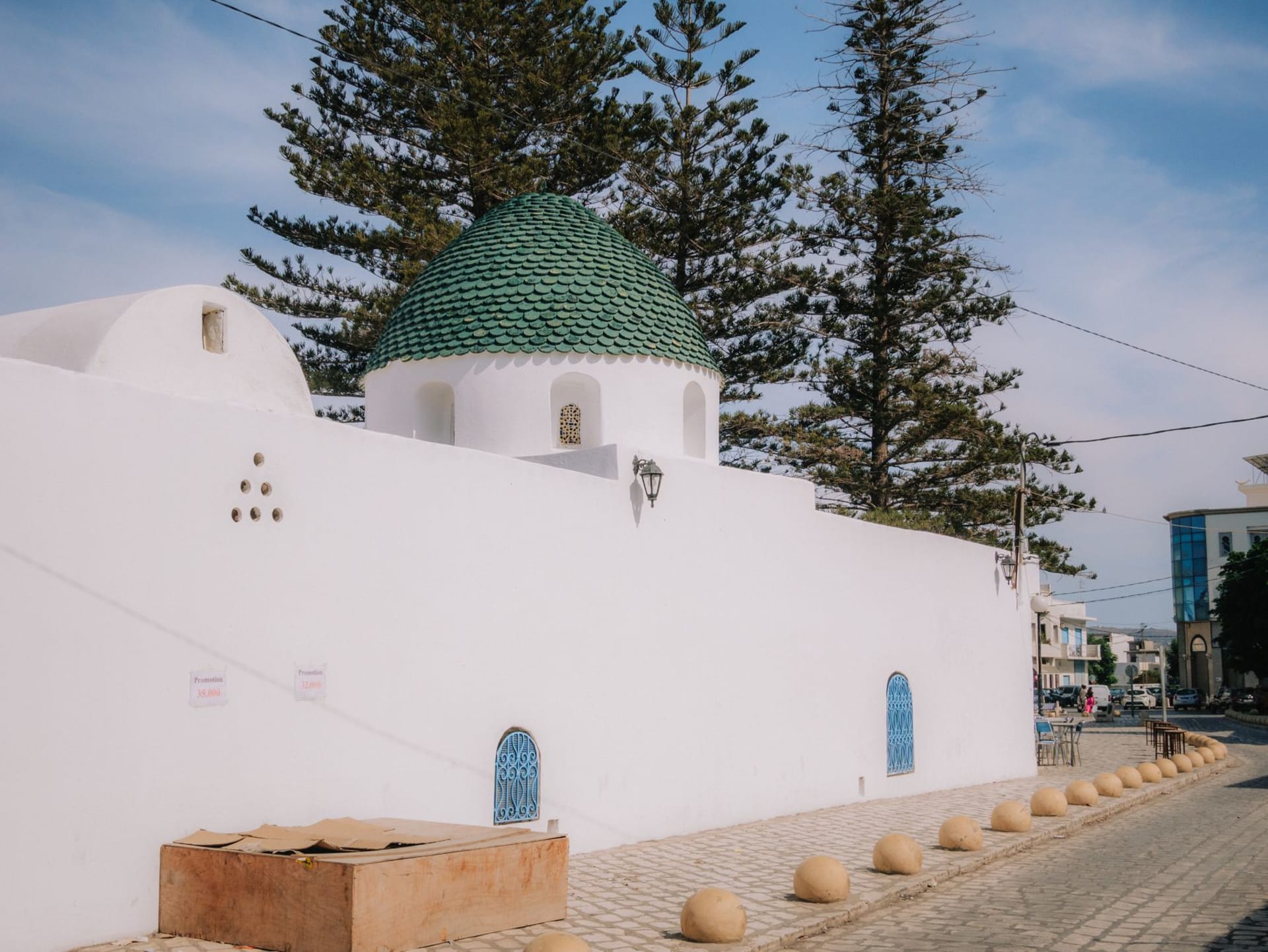
Tabarka
"I'd come to Tunisia for the Sahara and the medinas. I wasn't prepared for a Genoese fort at the end of a coral coast backed by cork forests."
Tunisia’s northwest coast doesn’t make the highlight reels. The desert south gets the photographs. The Tunis medina gets the architecture tourists. The beach resorts around Sousse and Hammamet get the package deals. Tabarka, two hours from the Algerian border in the forested Kroumirie mountains, gets the travelers who found themselves somewhere unexpected and decided to keep going.
I found myself there in November, somewhat by accident, having caught a louage heading west from Tunis out of curiosity about what was in that direction. The answer was: quite a lot.
The Genoese Fort
The fort sits on a rocky promontory connected to the town by a narrow land bridge, and it is one of the more dramatically positioned fortifications I’ve seen anywhere. The Genoese built it in the sixteenth century to protect their coral trading rights, handed it back to the Ottoman rulers of Tunisia after a deal fell through, and the structure has sat there since, largely intact, looking out at an intersection of two bays with the kind of weathered confidence that comes from having outlasted every political entity that ever had an opinion about it.
I walked up to the base of the walls in the early evening, when the sun was behind the mainland hills and the fort was in shadow against a still-bright sky. Below me on both sides, the water was doing different things — calmer in the sheltered bay to the east, rougher against the exposed rocks to the west. A fisherman was untangling a net on the rocks below. No entrance fee, no signage, no one managing the experience. I sat on a low wall and watched the light drain out of the sky for an hour.
The Cork Forests
The Kroumirie mountains behind Tabarka are covered in cork oak forests — the largest cork oak stands in Tunisia — and they are completely unlike the landscape anywhere else in the country. The air changes within twenty minutes of driving up into the hills: cooler, damper, smelling of resin and leaf mulch. The trees are extraordinary, their bark stripped in rough patches where the cork has been harvested, leaving a deep reddish-orange exposed layer that looks like something is perpetually in the process of shedding itself.
I hired a car for a day and drove the mountain road south toward Aïn Draham, a small town at altitude that felt inexplicably like southern France, complete with red-roofed houses and pigs being herded across the road by a farmer who regarded my slow car with complete indifference. It was the most disorienting thirty kilometers of driving I did in Tunisia, and that includes crossing the Chott.
The Reef and the Diving
Tabarka has one of the finest coral reef systems on the Tunisian coast, and a small dive community has grown around it over the past few decades. The coral isn’t the Caribbean — this is the Mediterranean, which means cooler water, lower visibility, and a more subdued color palette — but the variety of marine life in the reefs around the promontory is genuinely impressive. Grouper, octopus, sea bream, and the occasional moray eel visible in the lower rocky sections. I did one dive with a local outfit operating out of the harbor, and the instructor had the focused calm of someone who has spent years in the same water and stopped finding things to be dramatic about.
What Tabarka Is Good For
Tabarka rewards the traveler who wants to feel like they found something. The town is small — one main street, a market twice a week, restaurants where the fish came in that morning and the menu reflects that fact. The beach north of the fort is long and curved and largely empty outside summer. The fort glows at sunset. The forest turns colors in late October. There is a jazz festival every summer that attracts serious musicians and almost no international attention.
When to go: April through June and September through November. Summer brings the jazz festival (July) and warm water swimming. Spring brings wildflowers in the cork forests. Autumn has the best light quality and almost no other travelers, which in Tabarka is less a compromise than a selling point.