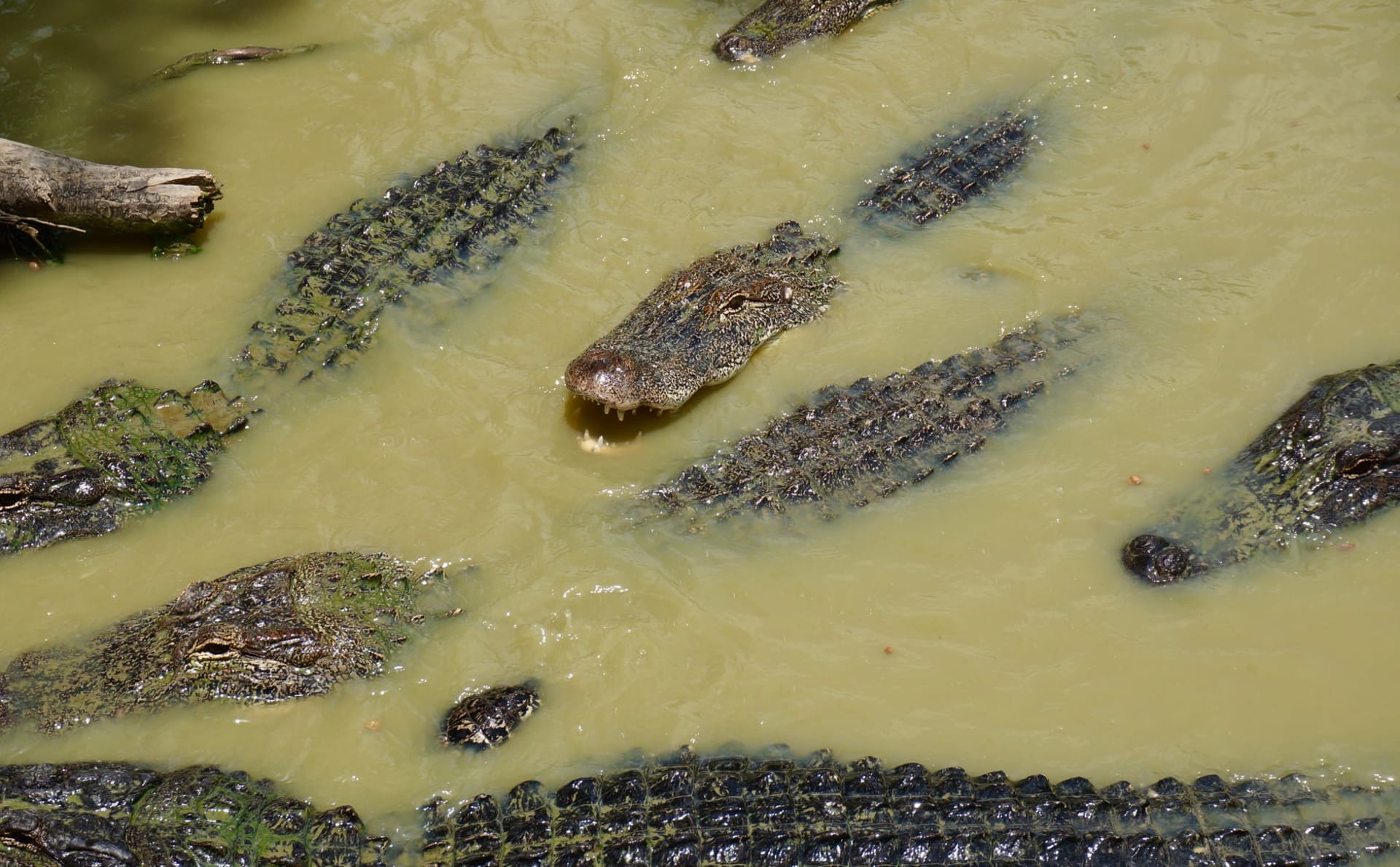
The flat-bottomed boat pushed into the channels of Caroni swamp around four in the afternoon, and for the first hour we drifted through a world of narrow waterways and cathedral mangrove roots, the water dark and still and smelling of salt and mud. The guide, a man named Winston who seemed to know every creature by first name, pointed out a caiman banking motionless in the shallows, anaconda tracks in the bank mud, a fishing spider the size of my palm suspended above the water between two roots. I was interested. Lia was captivated. Then the ibis started coming in.
The Gathering
It begins as specks — three or four birds in the distance, moving across the treeline. Then a dozen. Then loose skeins of thirty or forty spiraling downward toward the roost. The scarlet ibis is an almost violently red bird; the color is produced by carotenoids in the crustaceans they eat along the Venezuela coast, where they spend their days, and it intensifies through adulthood. When they land in the mangroves, which are a fairly neutral green, the contrast is hallucinatory. The trees turn red as the birds pile in, sometimes three or four deep on a single branch.
By dusk, somewhere between ten and forty thousand birds are settled across several hectares of mangrove — the exact count varies by season — and the sound is a continuous low roar of wing beats and calls. Winston cut the motor and we sat in silence for ten minutes. Nobody had anything useful to add.
The Channels
The journey to the roosting site is part of the experience, not just a transit. Caroni Swamp covers 5,000 acres of mangrove and freshwater marsh, and the boat trip winds through narrow passages where the branches close overhead and the light goes green and filtered. I spotted a limpkin hunting in the shallows. A green heron hunched on a root, so still I initially thought it was a piece of wood. Boat-tailed grackles made noise for no apparent reason.
The water in the channels ranges from clear to opaque depending on tidal movement and time of day; in the mid-afternoon it carried a golden tinge from suspended tannins that made the whole scene look like something shot with a warming filter.
The Context
The scarlet ibis is Trinidad’s national bird, and Caroni is the sanctuary that protects the country’s primary roost. It’s been protected since 1953, though the surrounding area faces ongoing development pressure. The mangrove ecosystem here does serious work — nursery habitat for commercial fish species, coastal protection, carbon storage — and visiting with one of the licensed local guides means your entry fee goes into maintaining that protection.
Winston gave me more ecology in two hours than I’d retained from any textbook. He talked about the mangrove species by root type, about the relationship between the ibis migration and Venezuelan fishing seasons, about the decade when ibis numbers collapsed and how they’ve partially recovered. He was teaching without it feeling like a lesson.
Practicalities
Tours depart from the Caroni sanctuary gate and run through licensed operators; the afternoon tour timed around the ibis return is the standard and the most dramatic. Bring insect repellent — the swamp mosquitoes are friendly, persistent, and present in quantity. The light for photography is spectacular in the last forty minutes before dusk.
When to go: The ibis roost year-round, but numbers peak in the dry season (January–May) when conditions in Venezuela push larger flocks across to Trinidad to roost. The spectacle is worth seeing at any time of year. Arrive for the 4pm boat to catch the full arrival sequence.