Europe
Transylvania
"Forget Dracula. This place is far stranger and better than that."
I arrived in Cluj-Napoca on a night train from Budapest, the kind of journey that arrives before dawn and drops you into a station that smells of cold concrete and possibility. By the time the morning light reached the rooftops of the old town, I had found a coffee and was sitting in a baroque square that felt entirely out of proportion to everything I expected of Romania. Cluj is a university city with two hundred thousand students and an energy that reminded me, oddly, of Toulouse — young, irreverent, quietly excellent at food and music and staying up late. It was not what I came for, but it recalibrated my expectations immediately.
The villages are what I came for. Biertan, Viscri, Sighișoara — the Saxon villages of Transylvania exist in a register that even heavily-traveled Central Europe rarely achieves. For centuries, German settlers built stone churches and ringed them with fortified walls, creating citadels that doubled as refuges during raids. They look like something from the Rhineland dropped into the Carpathian foothills and left to age, slowly, for eight hundred years. Viscri was my favorite: unpaved main street, painted farmhouses the color of egg yolk, geese in the road, and a fortified church that you climb alone, the key left with a neighbor. Prince Charles has a house there. You understand why. We spent an afternoon sitting on the church ramparts watching thunderclouds build over the forest and felt completely removed from the twenty-first century.
The landscape itself demands attention. The Carpathian mountains that curve through the region are not dramatic in the way of the Alps — they are older, rounder, covered in beech forest that turns copper and gold in October. Brown bears live in those forests in numbers that surprise most visitors. The roads between villages pass through farm country that moves at horse-cart speed, and the food in the village guesthouses is built around pork, fermented cabbage, sour cream, and polenta — simple, dense, and exactly right after a day of walking.
When to go: Late September through mid-October for the forest colors, which are extraordinary. May and June for wildflowers in the mountain meadows and cooler hiking temperatures. Avoid August if you can — it is peak season and the villages fill up. Winter brings snow and emptiness, which has its own appeal if you go prepared.
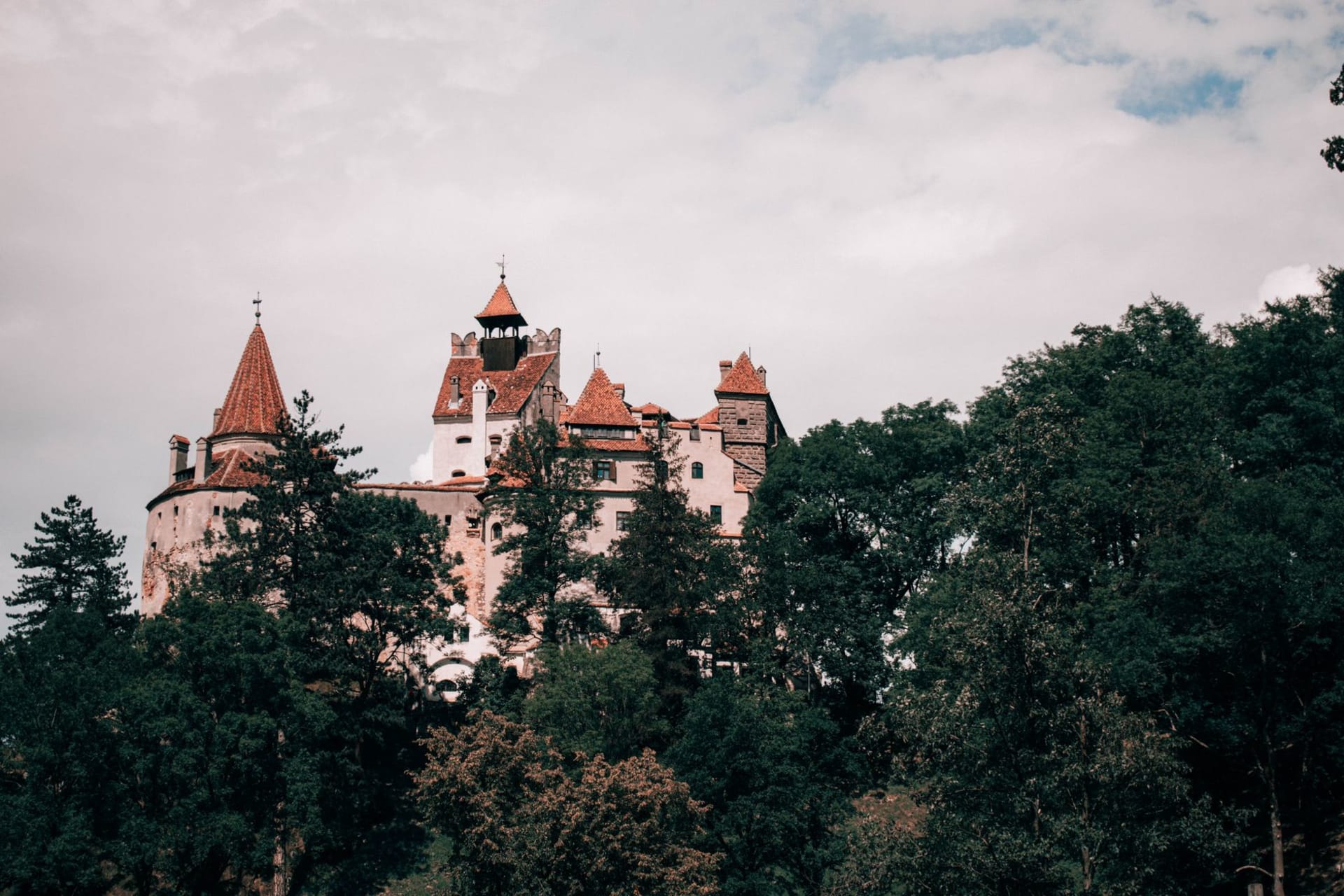
What most guides get wrong: The Dracula industry. Every brochure and tour company leads with Bran Castle and the vampire mythology, which has almost nothing to do with actual Romanian history or culture. Vlad III — the real historical figure — was a Wallachian ruler, not Transylvanian, and Bran Castle’s connection to him is tenuous at best. Following that trail means missing the genuinely extraordinary: the Saxon fortified churches, the intact medieval streetscapes of Sighișoara’s upper town, and the bear-watching hides outside Zărnești where you can watch brown bears in real forest at dusk. Transylvania is not a horror story. It is a region that survived the Mongols, the Ottomans, the Habsburgs, communism, and the post-communist wreck, and it is still standing, still farming, still ringing those church bells at sunset.