Africa
Togo
"The West African country where I was almost always the only foreigner in the room."
I landed in Lomé at dusk, and the first thing that struck me was the sea. The airport sits practically on the beach — you walk out of arrivals and there is the Gulf of Guinea, orange light on the water, fishing pirogues coming in. Within twenty minutes I was sitting at a plastic table on the Boulevard de la Marina eating grilled tilapia with piment sauce, watching motorcycle taxis swerve through the evening rush, and thinking: nobody I know has been here. That feeling persisted for the entire trip.
Togo is roughly the size of West Virginia and shaped like a thin finger pointing inland from the Atlantic. Most of the country is barely a hundred kilometers wide. This narrowness means you can move fast — from the lagoon coast to the sacred forest of Koutammakou in the north, where the Batammariba people still build their famous tata fortresses from mud and wood, in a single long day. I spent two days in Kpalimé, the mountain town in the southwest that nobody mentions when they list West African destinations worth visiting. The falls at Akrépé are a forty-minute walk through cocoa plantations and bamboo groves, and I did the whole circuit without encountering another traveler. The plateau sits at enough altitude that nights are genuinely cool, which after Lomé’s coastal humidity feels like a gift.
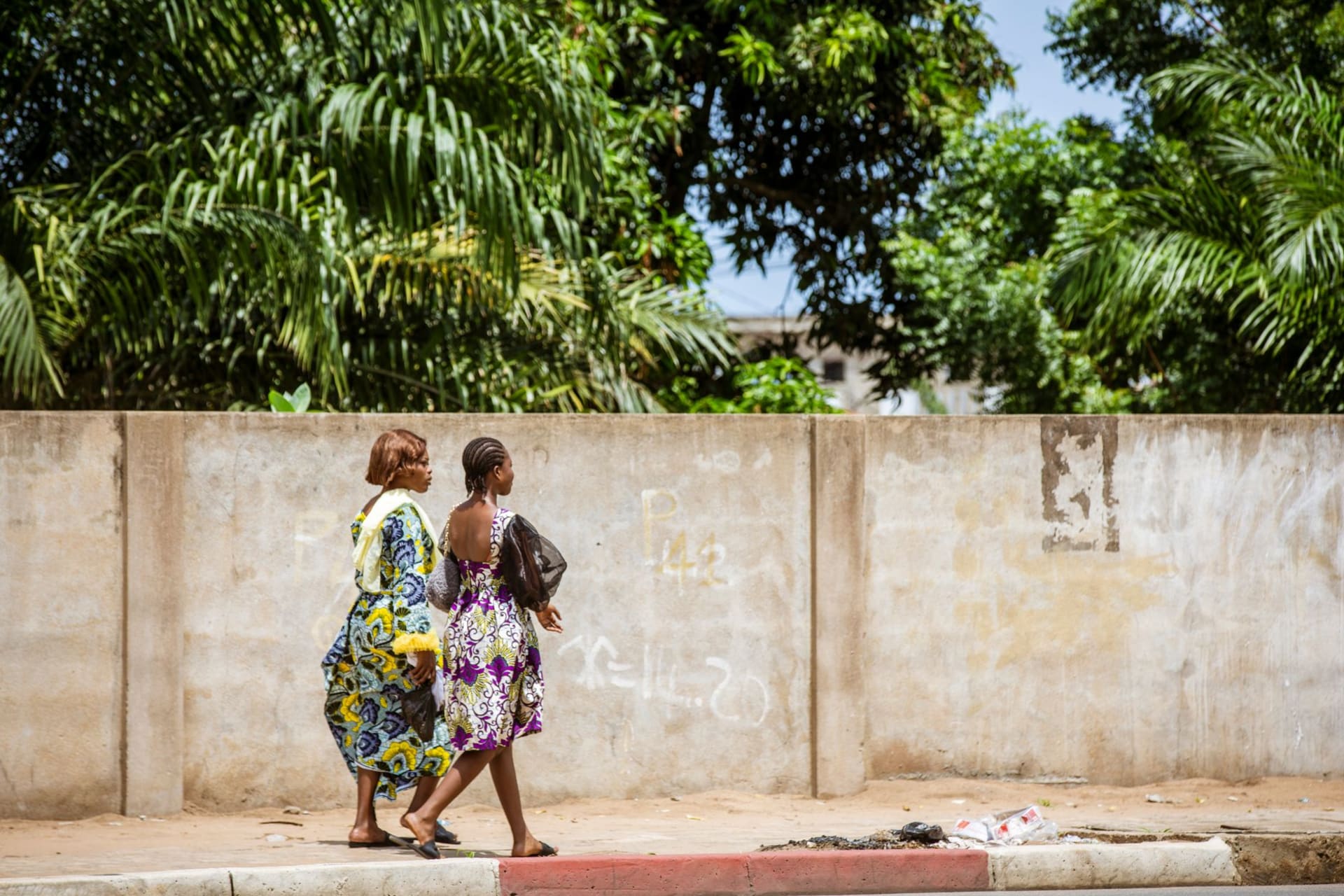
The food in Togo runs on a logic I could not fully decode but deeply respected. Fufu pounded in wooden mortars and served with a groundnut soup that carries real heat. Akpan, a fermented corn paste you eat for breakfast with honey or condensed milk. The marché d’Adawlato in Lomé is where the voodoo fetish market bleeds into the fabric stalls — dried chameleons and leopard skulls arranged next to bolts of Dutch wax prints in the same breath. It is not curated for tourists because there are essentially no tourists. You are simply inside the city’s actual commerce.
When to go: November to February is the dry season and the most comfortable window — humidity drops, the harmattan wind brings haze but also cooler temperatures. March to May gets hot and wet. Avoid June through August if you dislike persistent rain, though the green of the Kpalimé plateau in rainy season is genuinely beautiful.
What most guides get wrong: They skip Togo entirely in favor of Ghana or Senegal, which means most coverage is either nonexistent or hopelessly outdated. The other mistake is treating Lomé as a stopover. The city deserves at least two full days — the Marché des Féticheurs, the old German colonial quarter, the long stretch of beach bars that come alive after dark. Togo is one of the few places in West Africa where French is actually useful on the street, which matters more than it sounds when you are trying to negotiate a bush taxi to Atakpamé.