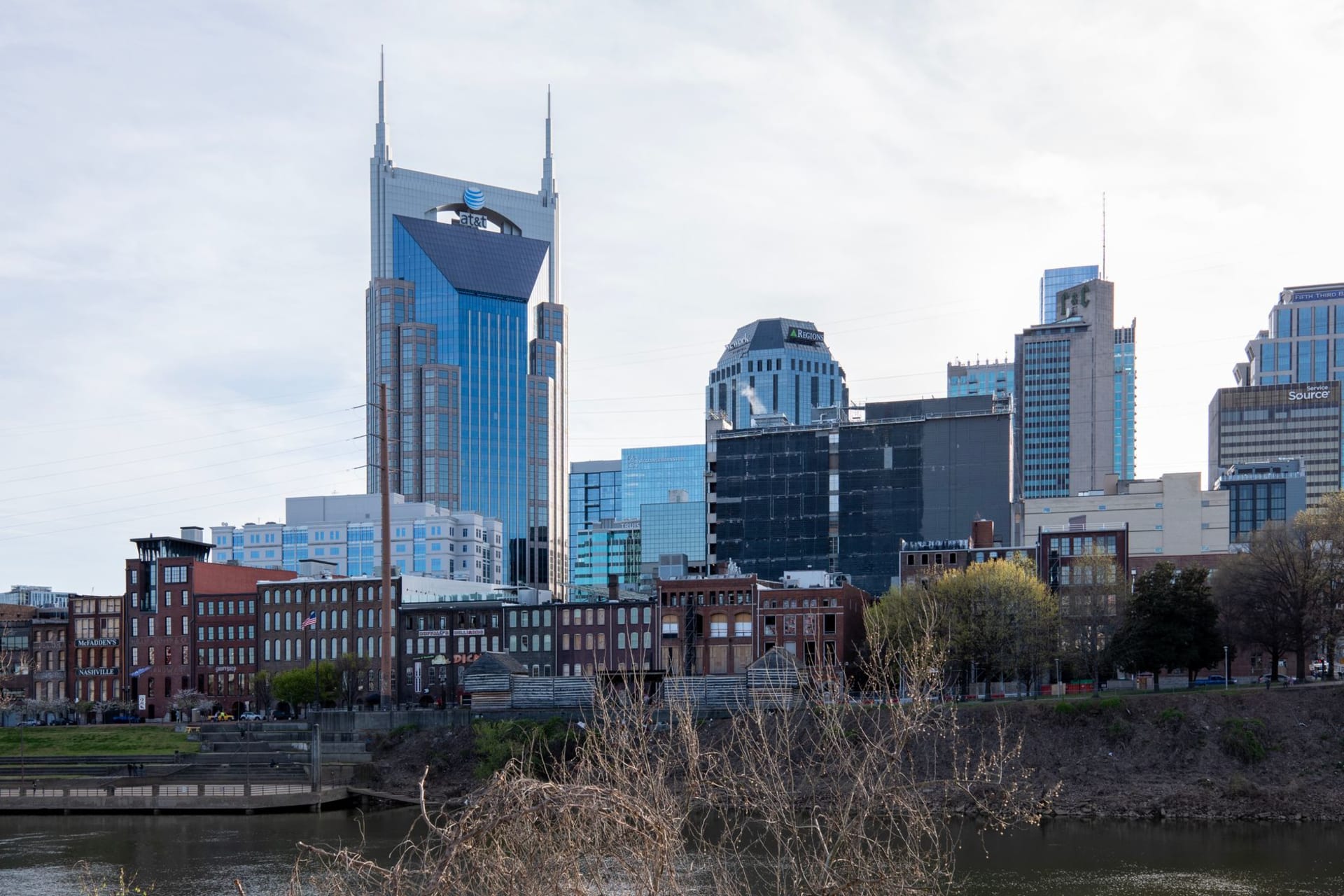
I arrived in Nashville on a Thursday night, which turns out to be indistinguishable from a Saturday night. Lower Broadway was already roaring — every honky-tonk blasting a different song through propped-open doors, the competing frequencies colliding in the humid air into something that shouldn’t work but absolutely does. Lia covered her ears at first. By the second block she was pulling me toward a door.
Lower Broadway and the Honky-Tonk Mile
The strip between 1st and 5th Avenues is exactly what it looks like: a glorious tourist spectacle. Boots, bachelorette sashes, beer in yard-glass containers. But underneath the kitsch, the music is genuinely good. These bands play three sets a night, six nights a week. The fiddle player at Tootsie’s Orchid Lounge had a tone so clean it cut through a room that smelled of spilled Coors and floor wax. I stopped arguing with the noise and just listened.
The smarter move is to come early — before 7pm the venues are half-empty and you can actually hear the musicians. Order a Yazoo Dos Perros on draft, find a stool near the stage, and watch a guitarist who should be famous play to a crowd of twenty.
East Nashville and the Other Side
Cross the Cumberland River and the city changes register. East Nashville is where the chefs, the visual artists, and the touring musicians who don’t want to be on Broadway actually live. The Five Points neighborhood has coffee shops where the line moves unhurriedly and the menu is written on a chalkboard in a hand that suggests someone cared.
I ate at a small counter restaurant on Gallatin Avenue — smoked brisket over grits, a pool of pot likker around it, a slaw that had enough vinegar to cut through everything. The person at the next stool turned out to be the chef’s brother, just stopping in. That kind of city.
Hot Chicken and the Question of Heat
Nashville hot chicken deserves its reputation and its warning labels. The spectrum runs from “Southern” (essentially just fried chicken) to “XXX” (a direct challenge to your judgment as a human). I went to Prince’s, the original, in a strip mall on Emonn that looks exactly like nothing is happening inside. It is: a grease-soaked slice of white bread under a half bird painted in a rust-red cayenne paste, with pickle slices the only structural counterweight. My lips went numb. I ordered another.
The heat isn’t about machismo. It’s about how the capsaicin amplifies the fat and smoke and crunch underneath. You taste the chicken better because everything else has been turned up.
Germantown and the Quieter Hours
For mornings, I walked north to Germantown — the Victorian brick neighborhood that was quietly becoming the city’s culinary center. The Tennessee State Museum is free and worth two hours for its Civil War and Reconstruction galleries alone. Acklen Park has old-growth oaks that shade a neighborhood where renovation is visible on every corner but hasn’t yet consumed the character.
There’s a farmer’s market on the weekend in the shadow of the Bicentennial Capitol Mall. Local honey, goat cheese, heirloom tomatoes in August. It reminded me of markets in Oaxaca in its unassuming density — nothing for show, everything edible.
When to go: April through May for mild weather and the CMA Fest crowds haven’t yet arrived. October is equally pleasant. Avoid July and August unless you enjoy adding heat exhaustion to your hot chicken experience. December is genuinely festive without being overwhelming.