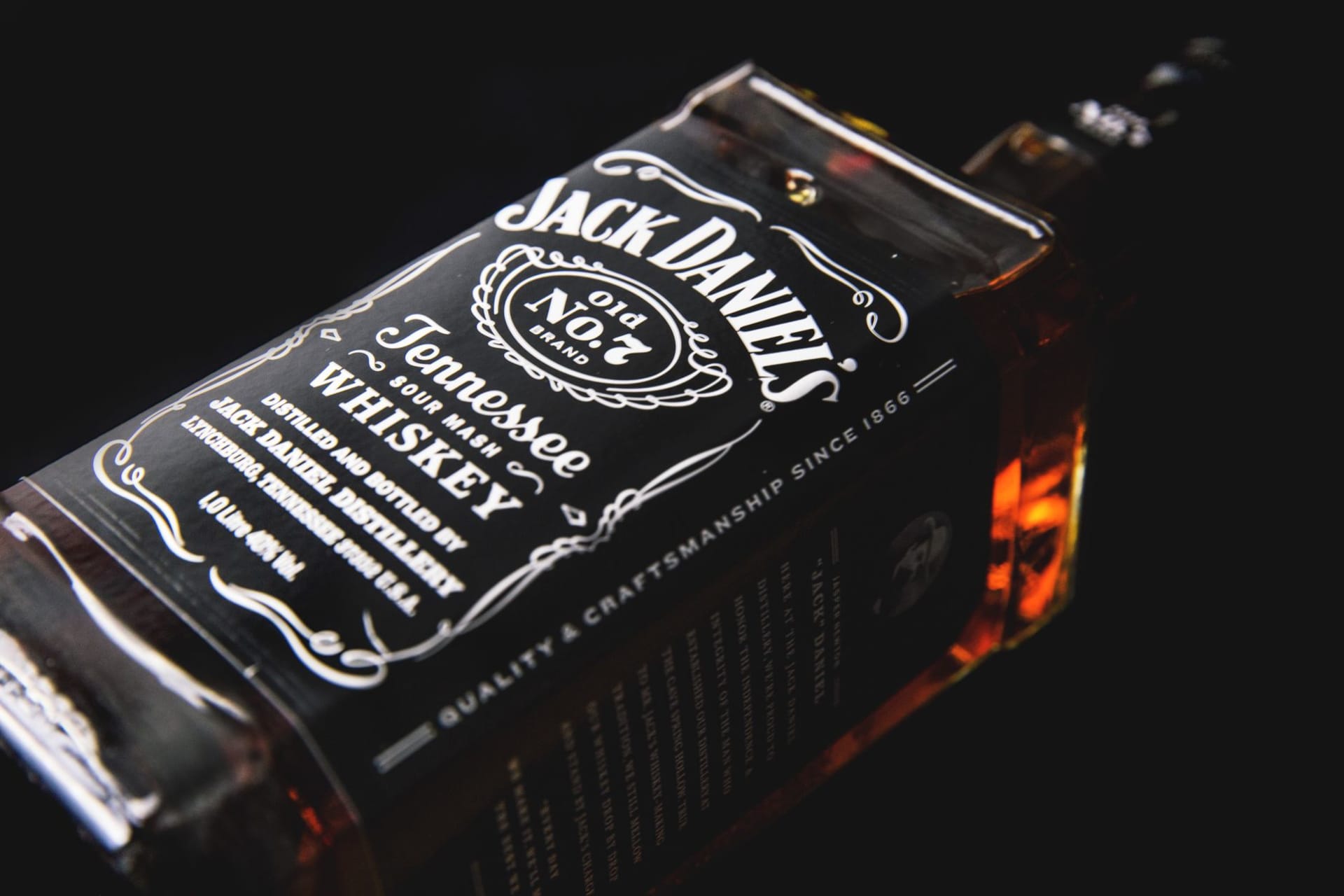
Moore County, Tennessee, has been dry since Prohibition and never changed its mind. This is the county where Jack Daniel’s Tennessee Whiskey has been distilled continuously since 1866 — or 1875, depending on which founding date you’re willing to defend. Jack Daniel’s is the world’s largest-selling American whiskey. You cannot buy a bottle here. You cannot order a shot here. The distillery sells a commemorative bottle in its gift shop for a hundred dollars, which technically qualifies as a “collectible” rather than a purchase for consumption. The county has voted to stay dry at least five times. I found all of this genuinely funny and also kind of admirable.
The Distillery Tour
The Jack Daniel’s tour runs hourly and costs nothing, which is either generous or a marketing calculation so successful that it no longer matters which. The limestone spring hollow where the distillery sits — clear water emerging from a cave at a constant 56 degrees — is legitimately beautiful. The charcoal mellowing process, where the new-make spirit drips through ten feet of sugar maple charcoal before entering a barrel, is what distinguishes Tennessee whiskey from bourbon. The rickhouses where the barrels age smell like vanilla and oak and something high and sharp that I can’t name.
The guide on our tour was a woman in her sixties named Diane who had worked at the distillery for thirty years and talked about charcoal mellowing with the precision of someone who genuinely cares about it. She also told us that Jasper Newton “Jack” Daniel himself was five feet two inches tall, preferred frock coats, and died in 1911 from blood poisoning after kicking an office safe in frustration. This detail has stayed with me.
The Square in Lynchburg
The town square around the Moore County Courthouse is small enough to walk in ten minutes and contains a hardware store, a pimento cheese shop that also serves lunch, a candy store that has been in operation since 1939, and Miss Mary Bobo’s Boarding House, where you sit at a communal table and eat a family-style Southern lunch that always includes fried chicken, green beans cooked with fatback, cornbread, and at least three other sides. Reservations are required and sell out weeks in advance. The sweet tea is served in mason jars. The cornbread is the best I’ve had in Tennessee.
The Hollow and Its Sounds
There is something particular about the acoustic quality of the hollow where the distillery sits. The spring water makes a sound over limestone that echoes differently than running water in open air. The rickhouses — enormous black warehouses, blackened by the ethanol-consuming fungus Baudoinia compniacensis — absorb sound. Standing between them on a weekday morning before the tour groups arrive, the quiet has a specific texture.
I walked the Cascade Creek trail above the hollow for an hour, watching the water and not thinking about anything useful. Tennessee hickory and oak along the creek banks. A woodpecker I didn’t identify. The smell of the aging warehouses carrying faintly on the breeze from below — sweet and woody and slightly chemical, the smell of time doing its work on oak and spirit.
Getting There
Lynchburg is 75 miles south of Nashville on backroads that pass through small Tennessee towns and farm country. The drive itself is part of the experience: rolling hills, cattle on limestone outcrops, grain elevators. Give yourself two hours from Nashville and take Route 431 rather than the interstate.
When to go: Year-round, but spring and fall are most comfortable for walking the hollow and the town square. October is particularly good — the hickory trees along Cascade Creek turn a sharp yellow and the light in the hollow goes amber in the afternoon in a way that’s almost too on-the-nose for a whiskey distillery. Avoid major holiday weekends when the tour lines grow long enough to test your patience.