Maria Island
"No cars, no shops, just wombats grazing between convict walls — Maria Island felt like Tasmania holding its breath."
A car-free island of convict ruins, wombats, and painted cliffs off Tasmania's east coast, reachable only by ferry.
Lia booked the ferry from Triabunna almost on a whim, and I remember standing on the deck watching the mainland shrink behind us, wondering what exactly we were sailing into. Twenty-five minutes later we stepped off onto a jetty with no cars in sight, no shuttle, nothing but a dirt track leading up toward a cluster of old sandstone buildings. That first walk into Darlington felt strange in the best way — the island has been uninhabited except for park rangers for decades now, and the silence made the convict-era walls feel closer, not more distant.
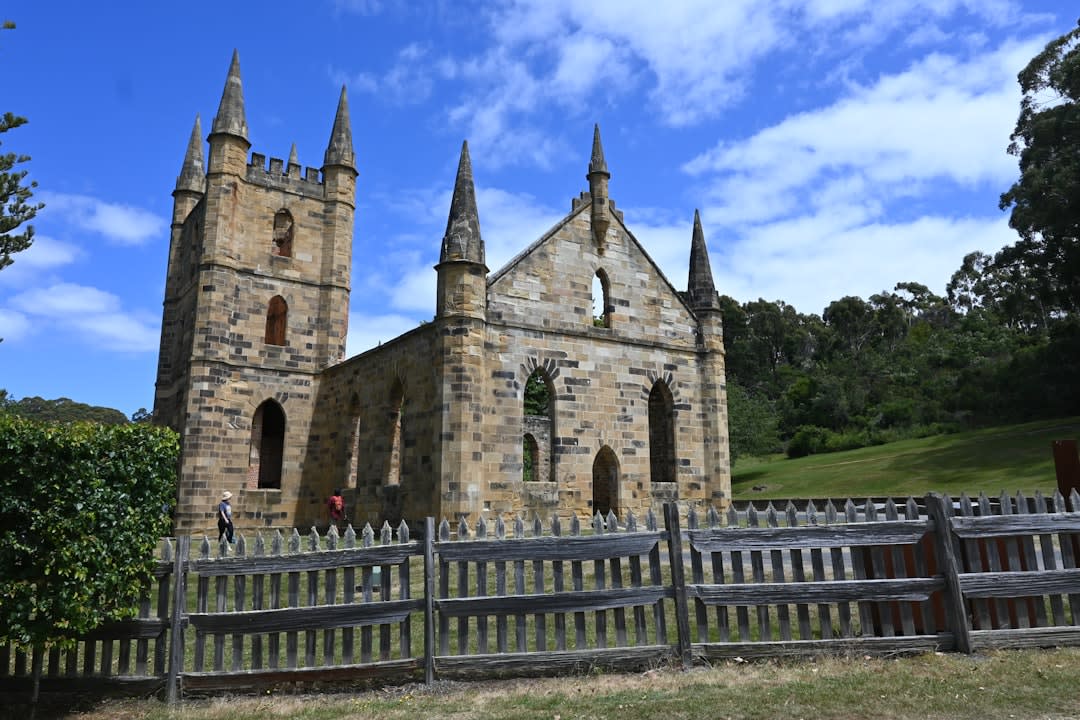
We spent our first afternoon wandering through Darlington itself, where over 800 convicts once passed through the probation station after it reopened in 1842 to trial what were, for the time, “progressive” ideas about reform. Fourteen buildings and ruins still stand there — the granary, the mess hall, the commissariat store — and I kept catching myself trying to picture the place full of men quarrying stone and firing bricks rather than the wallabies and wombats that now graze right up against the foundations. It’s no small thing that UNESCO listed it in 2010 as the most intact probation station left in Australia; you can feel that intactness under your feet, in a way photos never quite capture.
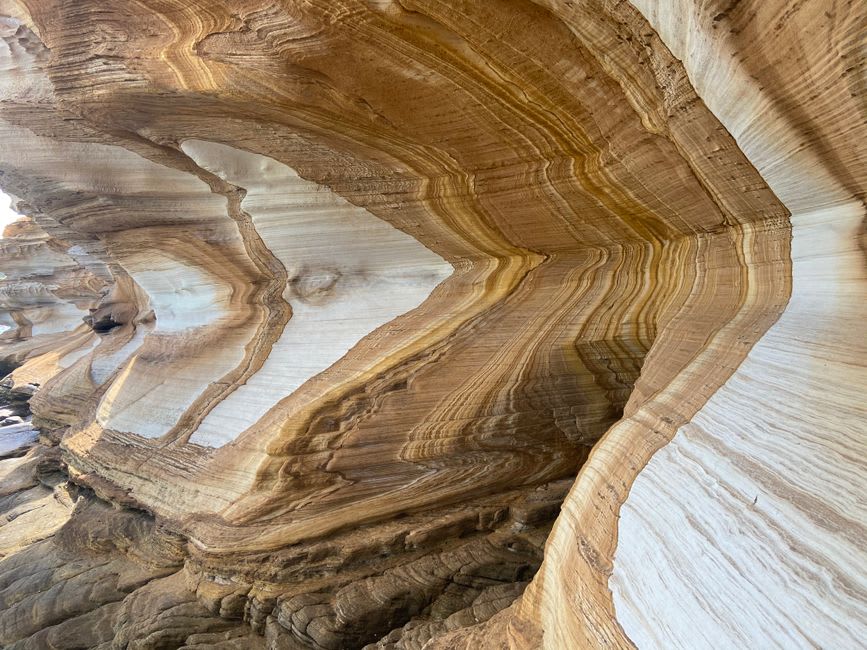
On our second day we rented bikes from the tiny hire shed and rode south toward the Painted Cliffs, and I genuinely gasped when we rounded the point and saw them — sandstone streaked with rust-orange and honey-gold swirls, carved smooth by centuries of tide. Lia sat there for a good twenty minutes just photographing the patterns while I wandered the rock platform trying not to step in the tide pools. Later that evening, walking back toward our campsite, a Cape Barren goose family crossed the path in front of us like they owned the place, which, fair enough, they basically do.
What stayed with me longest wasn’t the convict history or even the cliffs, though — it was how the island refuses to be rushed. There’s no ferry back until they decide to run one, no wifi, no real distraction from just walking and looking. I don’t think I’ve felt that unhurried anywhere else in Tasmania.
When to go: We went in autumn and had the wildlife almost to ourselves, but honestly either shoulder season works well — spring (September to November) or autumn (March to May) bring milder weather and the best chances of spotting wombats and geese out in the open.
Keep exploring
More from Tasmania
 tasmania
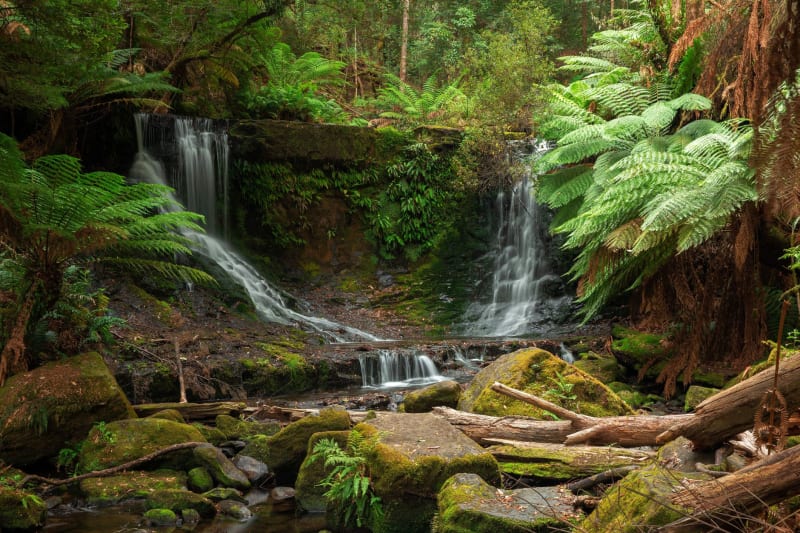
 Mount Field National Park
Tasmania's oldest national park, where three-tiered waterfalls fall through ancient tree ferns an hour from Hobart, and the plateau above them is another planet entirely.
Explore tasmania
 Port Arthur
The most intact convict settlement in the Southern Hemisphere, sitting in improbable beauty on a harbor that makes the weight of its history even harder to carry.
Explore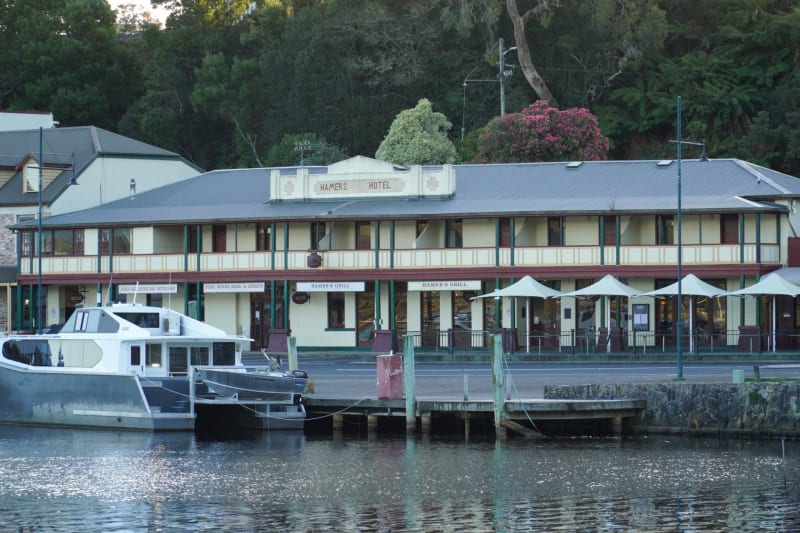 tasmania
 Strahan
A tiny harbor town on the edge of the world's third largest wild harbor, the only entrance to a wilderness that fought back hard enough to change Australian environmental law.
Explore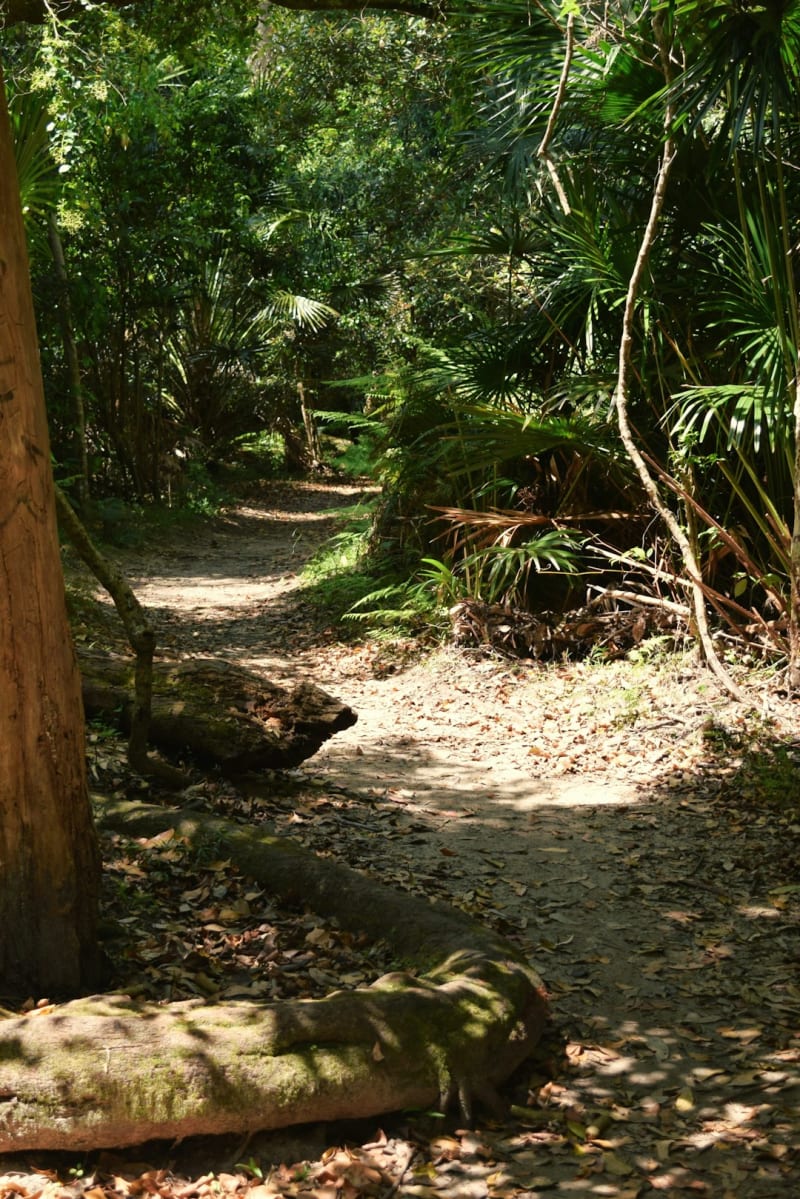 tasmania
 Tarkine Wilderness (takayna)
A vast, untouched rainforest wilderness on Tasmania's wild northwest coast, thick with ancient trees and quiet river crossings.
Explore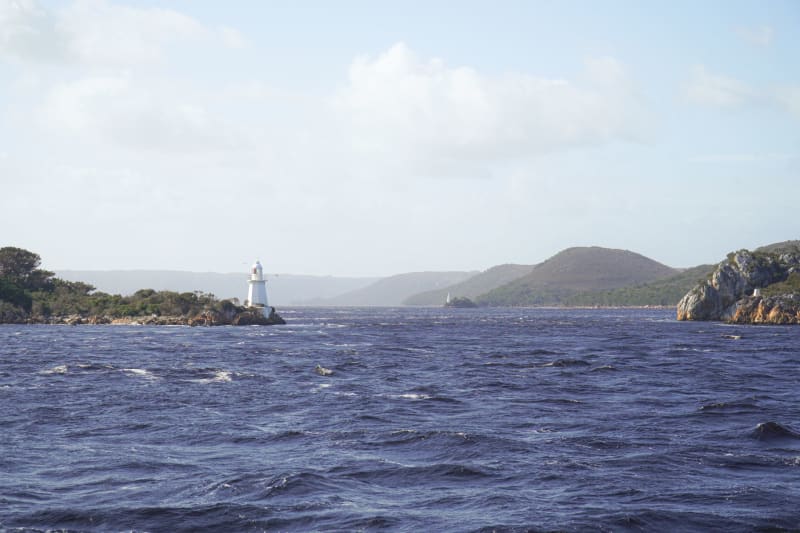 tasmania
 Tasman Peninsula
A peninsula of sea cliffs reaching 300 meters, blowholes that shake the ground, and a coastline so violent and lovely that it demands the whole day and still sends you home owing it something.
Explore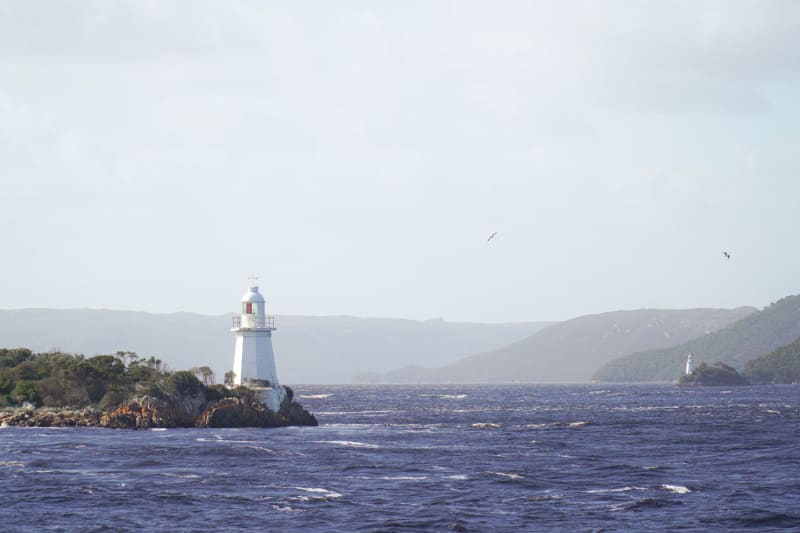 tasmania
 Bay of Fires
Forty kilometers of white sand beaches edged with boulders stained blazing orange by lichen, on a coast so remote the loudest sound is the surf.
Explore