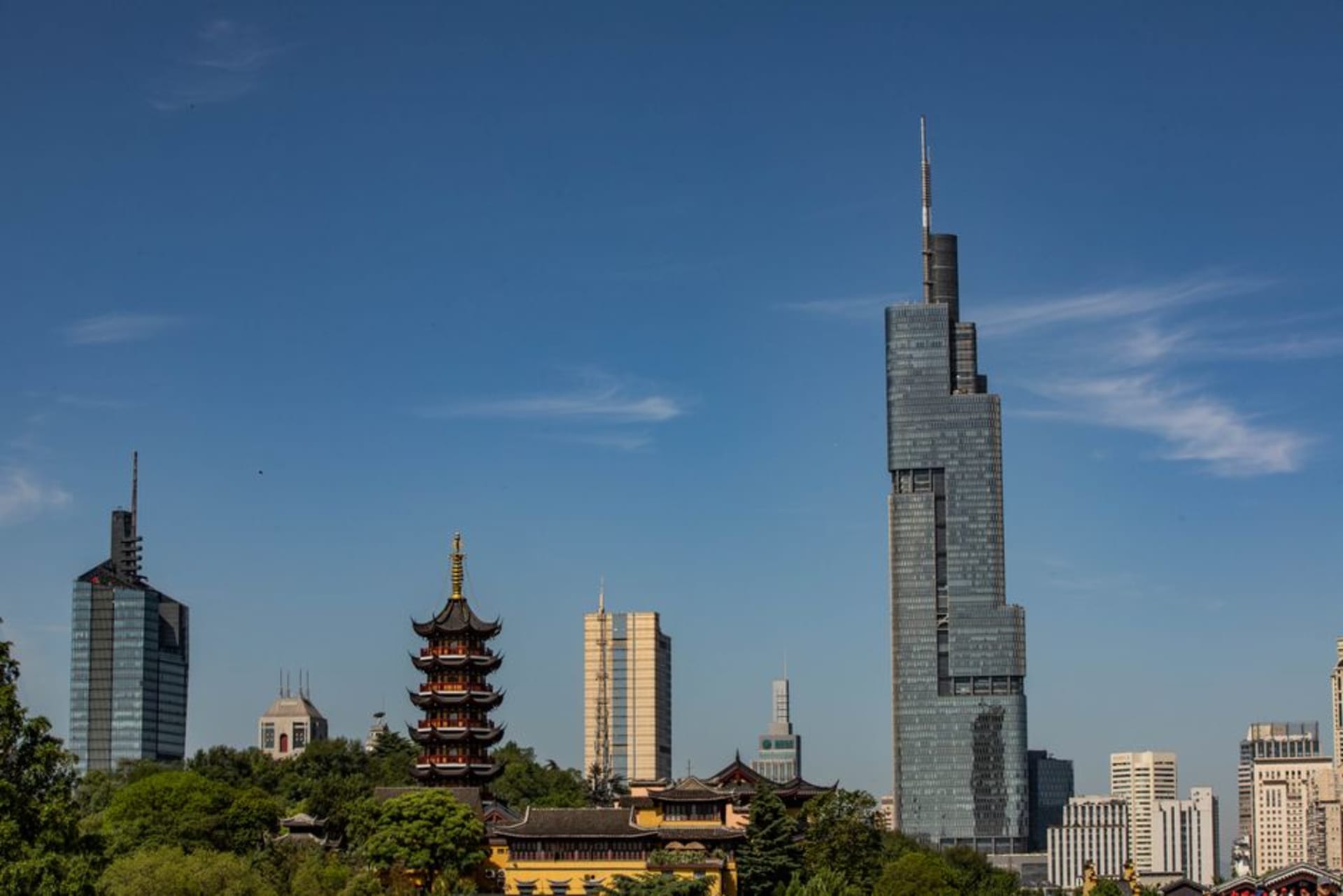
Zhongshan
"Zhongshan is the neighborhood Taipei goes home to after it's done showing off elsewhere."
A leafy, understated Taipei district of Japanese-style izakayas, boutique hotels, and a night market that locals keep quietly to themselves.
Our first night in Taiwan, stumbling out of the metro at midnight with jetlag and a stinky tofu craving, we were standing in Zhongshan District without knowing its name. We came back on purpose two weeks later, once we understood what we had actually stumbled into: one of Taipei’s quietest, most liveable neighborhoods, shaded by old camphor trees and stitched together by lanes too narrow for anything but scooters and pedestrians.
Shuangcheng Street After Dark
Shuangcheng Street Night Market runs a fraction of the length of Shilin or Raohe, and locals seem to prefer it exactly for that reason — no tour buses, no loudspeakers, just a dense cluster of stalls selling grilled skewers, oyster omelets, and a version of braised pork rice that a woman running one particular stall has apparently been perfecting since the 1980s. We ate standing at a folding table wedged between a scooter and a shuttered shopfront, and nobody around us looked like a tourist except us.
Lia had read that the district had a disproportionate number of Japanese-style izakayas, a legacy of its history as a colonial-era administrative quarter, and she was right — we found one down an unmarked staircase, all warm wood and paper lanterns, ordering grilled skewers and cold Taiwan Beer from a chef who barely looked up from the grill the entire evening.
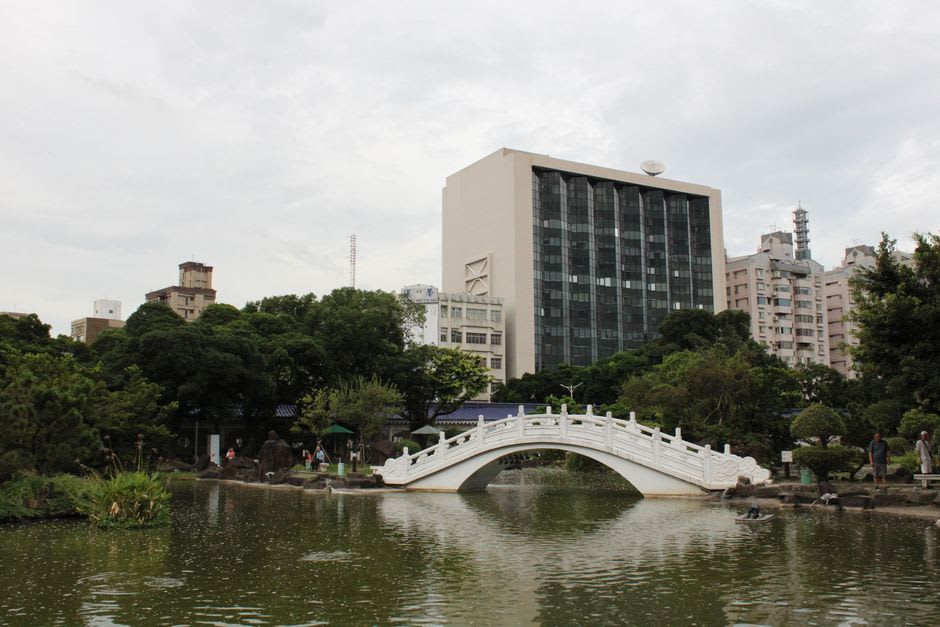
Linsen Park and the Quiet Streets
By day, the district reveals a different rhythm: Linsen Park’s old camphor trees shading a scatter of benches where retirees play chess in complete silence, boutique concept stores tucked into converted Japanese-era houses, and a run of independent coffee shops that seem engineered specifically for slow mornings. We spent one entire rainy afternoon in a single café on a side lane off Zhongshan North Road, reading, refilling the same pot of tea, watching scooters navigate puddles outside the window.
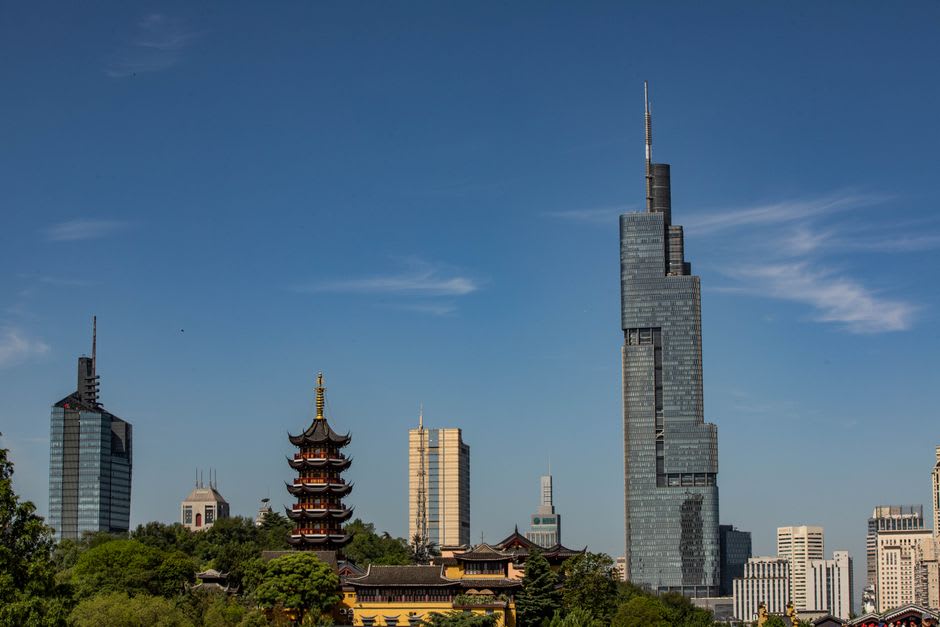
It was, oddly, the most restorative single day of the whole trip — not because anything remarkable happened, but because nothing needed to.
When to go: Any season suits Zhongshan’s mostly indoor, café-and-izakaya rhythm, though spring and autumn make walking the tree-lined lanes considerably more pleasant. Evenings, especially Wednesday through Saturday, bring Shuangcheng Street to its liveliest.