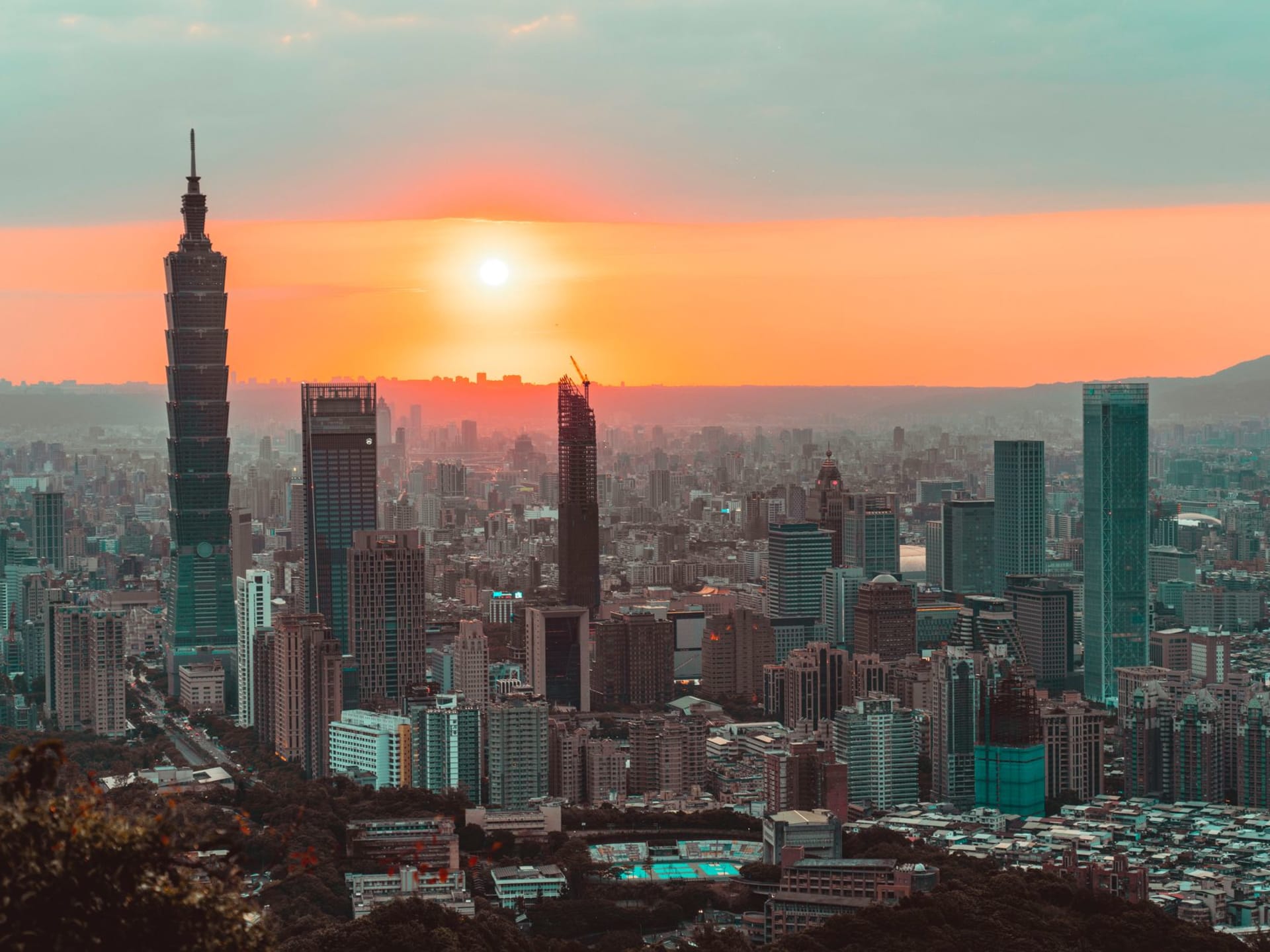
Taipei
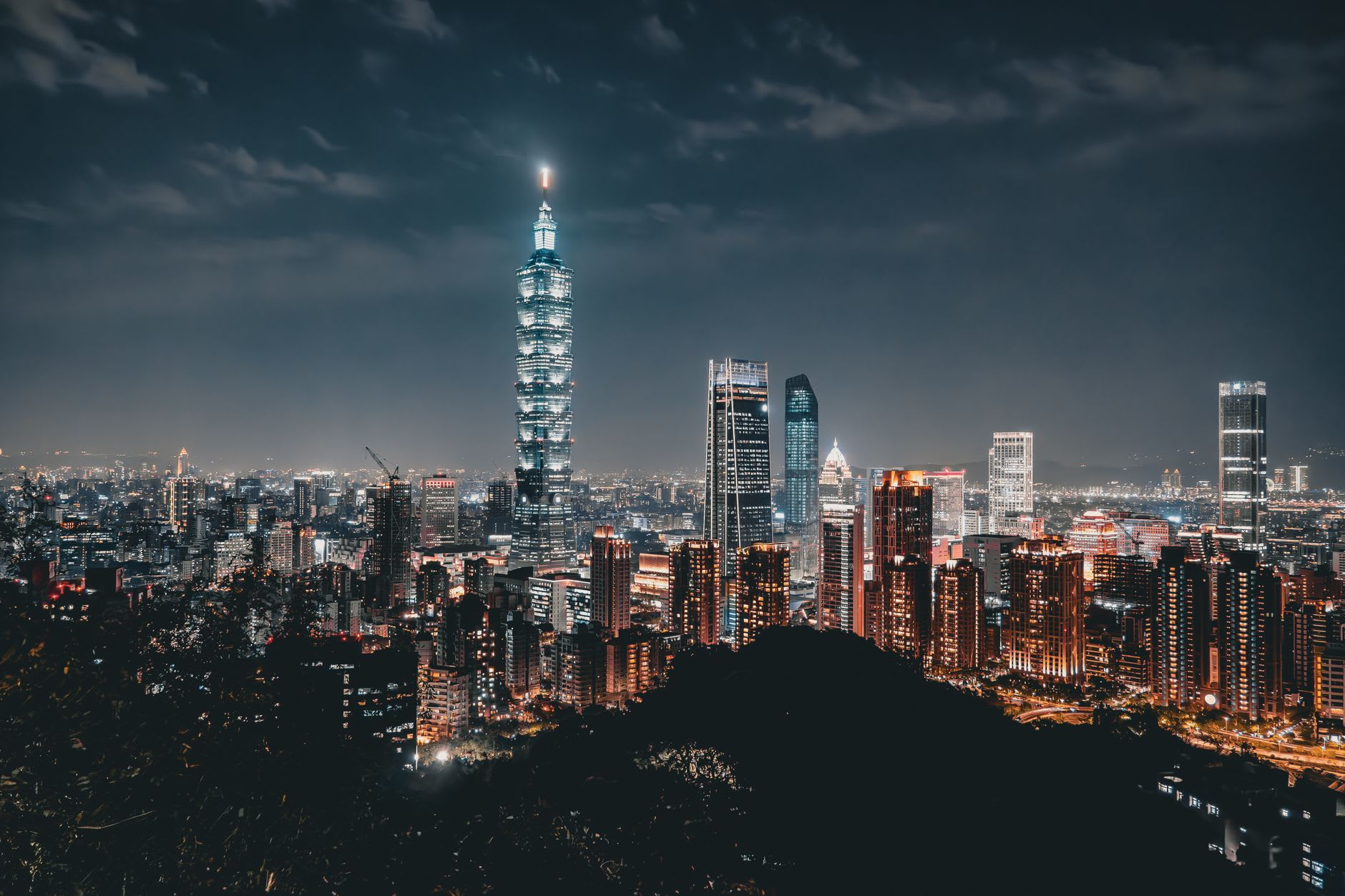
"Taipei 101 makes a statement in steel, but the real architecture of this city is its night market dumplings."
A city of legendary night markets, Michelin-starred xiaolongbao, and a needle piercing the cloud line.
The night we landed at Taoyuan, the air hit me like a warm, damp cloth — subtropical, faintly sweet, edged with something frying nearby. It was nearly midnight and the MRT into the city was still packed. People were going somewhere. In Taipei, people are always going somewhere, and often that somewhere involves food.
I had come expecting the tower. Lia had come for the dumplings. We were, as usual, both right.
The Tower and What It Doesn’t Tell You
On our second morning I walked up Xinyi Road to see Taipei 101 properly — not from the observation deck but from street level, where you have to crane your neck back until the building disappears into low cloud. It is enormous in the way that few structures are enormous: not just tall but dominant, a pagoda-silhouetted skyscraper that seems designed to make the surrounding city feel provisional, like a campsite set up around a monolith.
But Xinyi District, the polished commercial neighbourhood that grew up around the tower, is the least interesting part of Taipei. The streets are clean and wide and lined with the kind of brand flagships that exist in every wealthy city on earth. It is handsome and completely exchangeable.
What the tower does not tell you is that twenty minutes away by MRT, the city becomes something else entirely.
We rode the Bannan Line west to Da’an District, walked along Yongkang Street — a lane of tea houses, independent bookshops, and restaurants with handwritten menus taped inside the windows — and found ourselves outside a place called Din Tai Fung before it opened at eleven. A small queue had already formed. We joined it without discussing it. There are queues you join on instinct.
The xiaolongbao arrived eight to a bamboo steamer: pleated at the top with what I am told are exactly eighteen folds, though I could not count them without losing my composure. The skin was thin enough to show the broth inside like a lantern. You bite carefully, tilt, drink the soup, and then eat the rest — pork and ginger and something that does not have a name in French but belongs to the category of things that make you sit quietly for a moment.
Lia ordered a second steamer before finishing the first.
Shilin After Dark
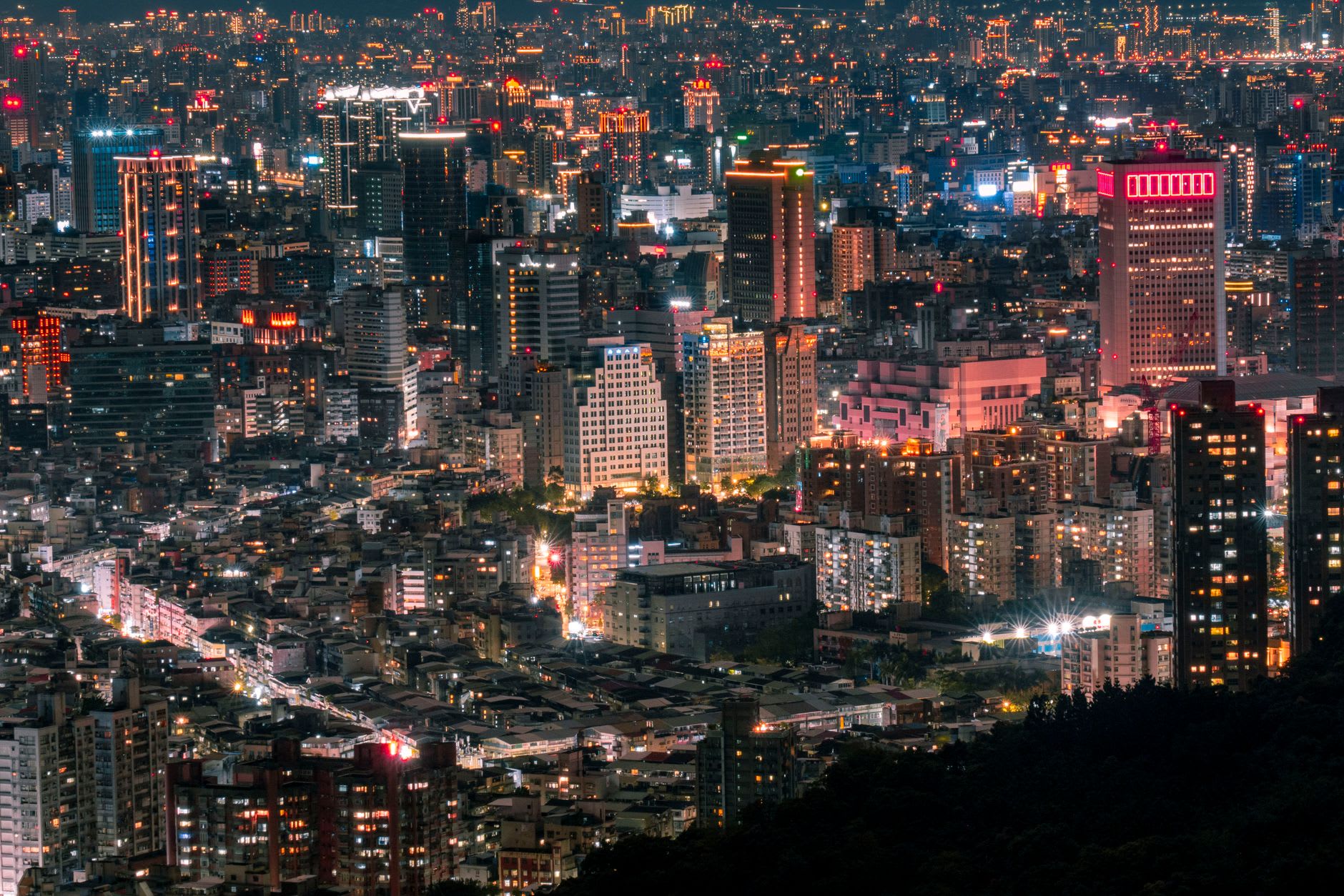
We had been warned about Shilin Night Market — warned that it was touristy, crowded, a shadow of what night markets used to be. These warnings were technically accurate and entirely irrelevant. Shilin at ten on a Thursday night is still one of the most intensely alive places I have ever stood.
The underground food court beneath the main market runs in a long horseshoe of identical stalls, each specialising in one or two things: oyster vermicelli, stinky tofu (the smell arrives before the stalls do, a thick fermented warmth that is somehow not unpleasant once you have accepted it), scallion pancakes pressed flat on an iron griddle, taro balls floating in sweet soup. The fluorescent light is the colour of old photographs. Every surface is slightly damp.
I ate grilled squid on a stick, then a bowl of braised pork rice from a woman who had been cooking it for, by the look of her setup, a very long time. The rice was served in a white bowl with slices of pork belly in a dark, sweet-salty soy sauce that had been reducing all day, a single soft-boiled egg cut in half, and a scattering of pickled mustard greens for sharpness. It cost about fifty New Taiwan dollars. It tasted like someone had spent years working out exactly how much fat and sweetness and acid a bowl of rice needs.
What surprised me — and I had not expected to be surprised by a night market — was the moment I turned off the main corridor and followed a narrow passage that was not on any map I had consulted. The passage led to a row of vendors I had not seen described anywhere: a man doing made-to-order spring rolls under a single bare bulb, three generations of a family selling something I could not identify (golden, deep-fried, dusted with what might have been powdered plum), and a stall with no English signage and a queue that extended into the dark. I joined it. Whatever it was arrived wrapped in paper: a dense, slightly chewy cake of rice and pork and scallion that I ate standing up, getting sauce on my shirt, and did not regret.
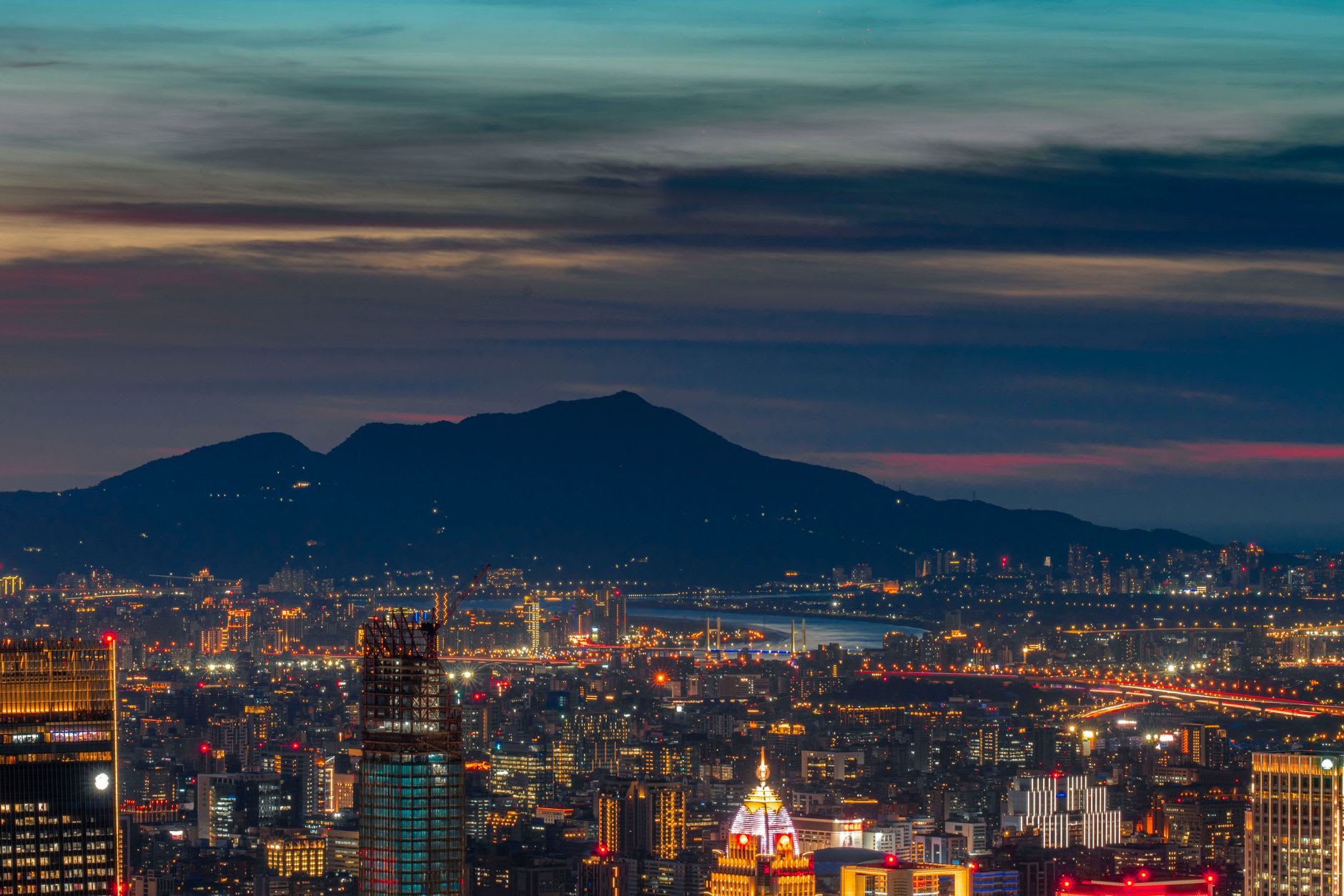
Tea on the Mountain
On our last afternoon we took the MRT to Xindian and then a bus up into the hills to Maokong — a mountainside neighbourhood of tea plantations and open-air teahouses, accessible by gondola over a valley of green. The gondolas have glass floors. I stood on the glass floor for the length of the crossing, looking straight down at treetops and mountain roads, and felt exactly as vertigo-inducing and unnecessary and wonderful as it sounds.
The teahouse we found — wooden, open-sided, a handful of low tables on a terrace overlooking a valley of tiered tea plants — served tieguanyin in a gaiwan with a small dish of sesame candies. The tea was roasted and warm-tasting, with a faint floral aftertaste that lingered in the throat. We sat for an hour. The city was somewhere below the clouds. A cat appeared and sat between us on the bench without asking permission.
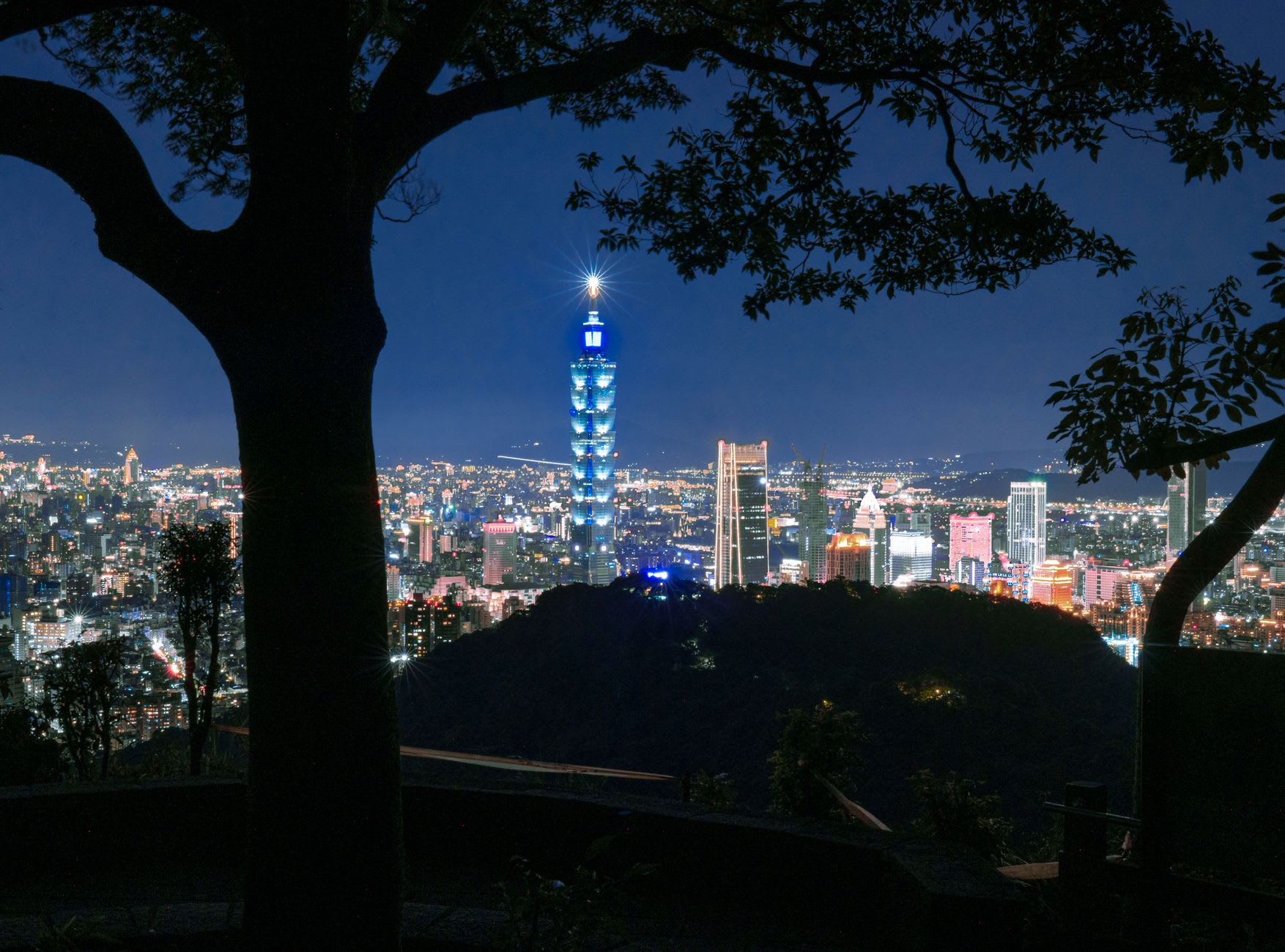
This is the version of Taipei that I did not know I was coming for: not the tower, not the dumplings, but a mountain teahouse on a Thursday afternoon, tea I could not name, a city obscured by clouds somewhere far below, and Lia laughing at the cat who had decided it lived with us now.
When to go: October through December is the sweet spot — cooler temperatures, lower humidity, and the occasional clear day that puts the tower and the mountains in the same frame. Avoid July and August if you can: the heat and humidity combine into something close to a physical experience, and typhoon season adds a reasonable degree of chaos. Spring (March to April) is second best — warm but not yet punishing, and the city’s parks are still green from the winter rains.