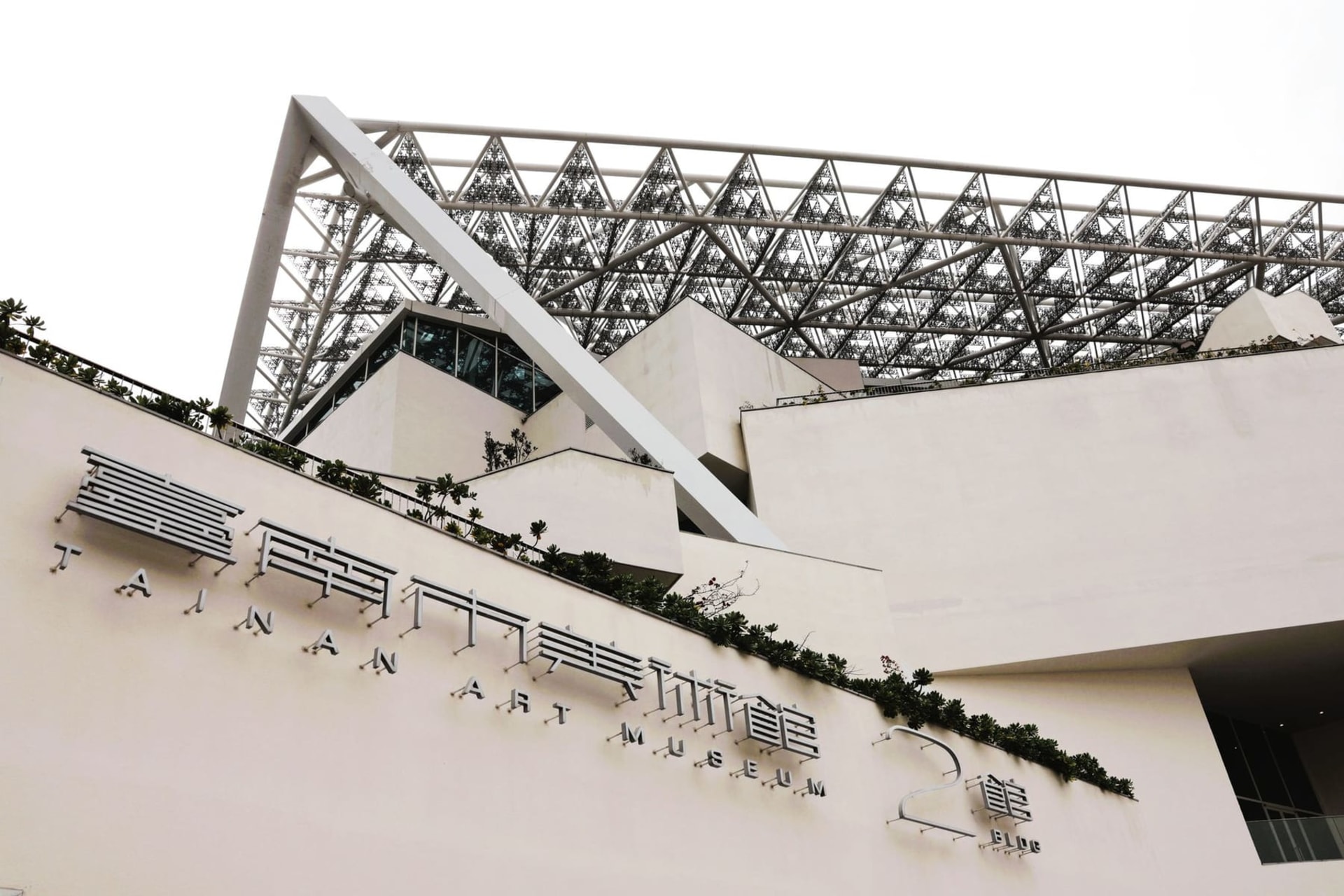
Tainan
"Tainan's residents speak about food the way other cities speak about sports — with statistics and passion."
Taiwan's oldest city and undisputed culinary capital, where temples outnumber coffee shops.
I arrived in Tainan off a morning train from Taipei with the particular hunger that only overnight travel produces — the kind that makes you feel entitled to eat badly and often. It turned out to be the correct instinct for this city.
The Oldest Capital
Tainan was Taiwan’s capital for nearly two centuries under the Dutch and then the Qing dynasty, and it wears that history the way an old professor wears a cardigan — unselfconsciously, with patches. The Chihkan Towers rise out of the West Central District with the blunt authority of something that has simply outlasted everything built around it. I walked through the complex on our first afternoon, stepping around incense smoke from a nearby temple to Guanyu, the god of war, whose vermilion façade bled color into the hazy sky. The light in Tainan in November has a particular amber quality, low and lateral, that turns even the corrugated-iron shop awnings on Minzu Road into something worth photographing.
A City That Eats Like It Has Something to Prove
Tainan’s residents speak about food the way other cities speak about sports — with statistics and passion. The city claims the origin of beef noodle soup, oyster vermicelli, and at least a dozen other dishes that the rest of Taiwan has since appropriated. At Xinhua Old Street Night Market, I ate danzai noodles — thin wheat noodles in a shrimp-and-pork broth — standing at a counter wedged between a temple column and a parked scooter, the bowl small enough to finish in four minutes. Lia found a vendor selling coffin bread, a Tainan specialty: a thick slab of white toast, hollowed and filled with a cream-style seafood chowder, that sounds absurd and tastes like something you’d request for a last meal. We ate two.
The Unexpected Quiet
What surprised me — genuinely stopped me mid-step — was the silence inside Sacrificial Rites Martial Temple on Yongfu Road, mid-morning on a Tuesday. Outside, Tainan’s mopeds conducted their usual negotiations with the street. Inside, an elderly man in slippers methodically restocked incense holders, humming something tuneless. No tourists. No audio guide. Just the specific hush of a place that has been used continuously for three hundred years and is entirely indifferent to being noticed.
We stayed two days and I left with the firm conviction that one needs at least five.
When to go: October through December offers the most comfortable temperatures — warm but not punishing — and avoids the typhoon season that can disrupt southern Taiwan from July through September.