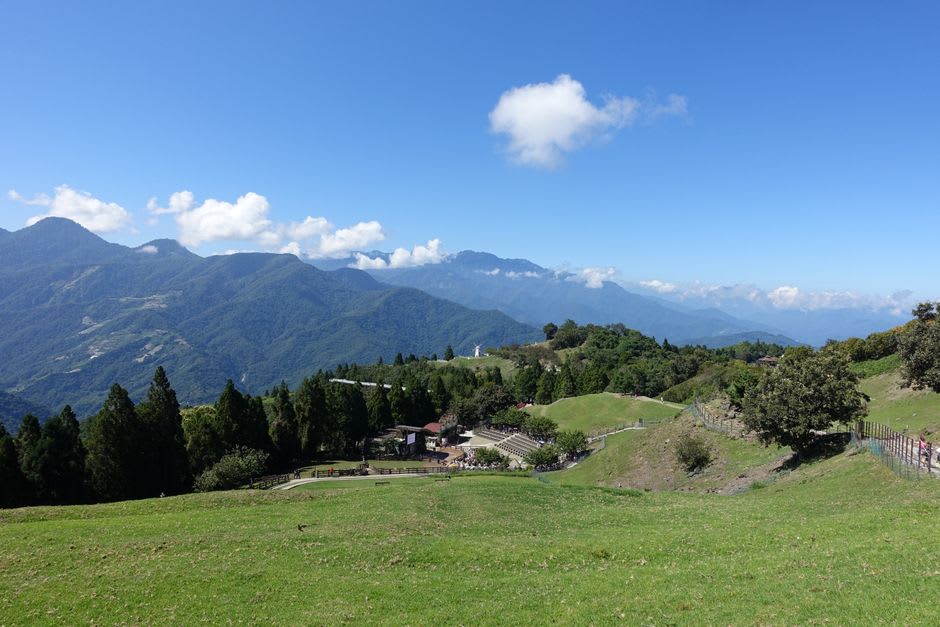
Taiwan's second city, a mellow grid of art parks, coffee culture, and the bubble tea it invented, minus the intensity of the capital.
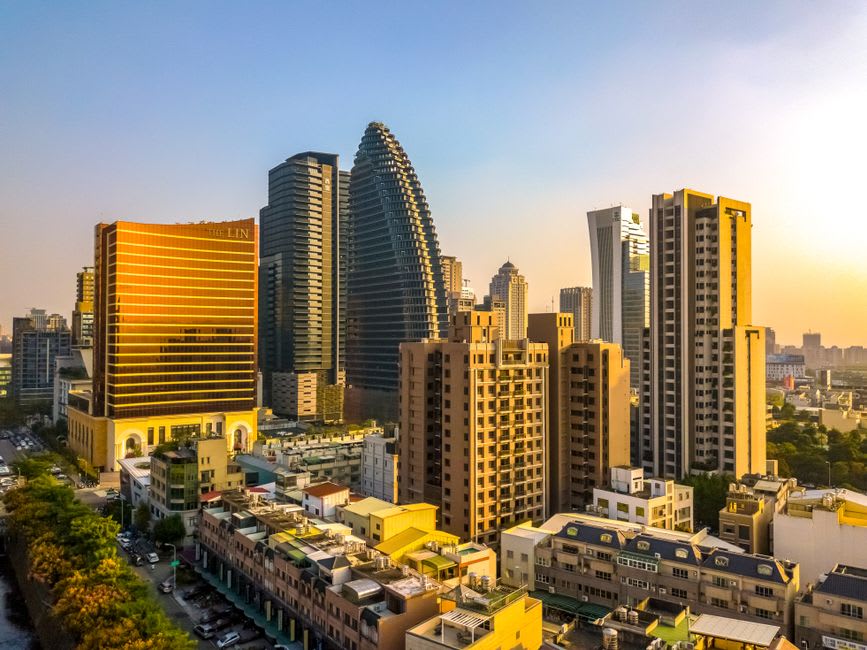
Everyone in Taipei told us the same thing before we went south: Taichung is where you go to relax. I did not fully believe it until I was three days in, sitting on a low stool outside a converted textile warehouse with a cold brew in one hand, watching the afternoon light do nothing dramatic at all. No temple crowds, no scooter horns stacked six deep at an intersection. Just a city that seems to have collectively decided it does not need to prove anything.
Rainbow Village and the Grid Beyond
The Rainbow Village on the city’s south side is a strange, wonderful accident — a single elderly veteran, Huang Yung-Fu, started painting the walls of a condemned military dependents’ village to save it from demolition, and thirteen years and a few hundred thousand visitors later, it is still there, still his. What struck me was not the color itself but the density of it: birds, tigers, soldiers, and cartoon figures crammed into every surface of a few narrow lanes, painted by one man now well into his nineties. It photographs like kitsch and feels, in person, like devotion.
The Museum That Started the Coffee Habit
Taichung’s real personality lives in its converted spaces — the old Taichung Prison neighborhood turned into a warren of specialty coffee shops, the Calligraphy Greenway’s shophouses now selling single-origin pour-overs to students with laptops open until midnight. Lia has a theory that Taichung’s café culture developed precisely because the city lacks Taipei’s frantic nightlife, so people needed somewhere unhurried to sit for six hours. I do not have a better explanation. We spent an entire rainy afternoon at a shop called Fleisch, working through a flight of Ethiopian beans while the owner explained, unprompted and at length, why Taichung’s water is better for brewing than Taipei’s. I have no idea if it’s true. I believed him anyway.
Where Bubble Tea Actually Started
Taichung claims to have invented pearl milk tea, and depending which of the two rival teahouses you ask — Chun Shui Tang or Hanlin — you’ll get a slightly different founding myth. We went to Chun Shui Tang’s original location near Tunghai University out of pure allegiance to the older story, and drank a cup that was noticeably less sweet and less icy than the export version sold worldwide, closer to an actual tea with tapioca added as an afterthought rather than the reverse. Worth the pilgrimage on principle alone.
When to go: November through April, when Taichung’s famously mild, dry-leaning climate is at its best — the city sits in a rain shadow that spares it much of the west coast’s summer downpours, so afternoons stay pleasant even in winter.
Keep exploring
More from Taiwan
 taiwan
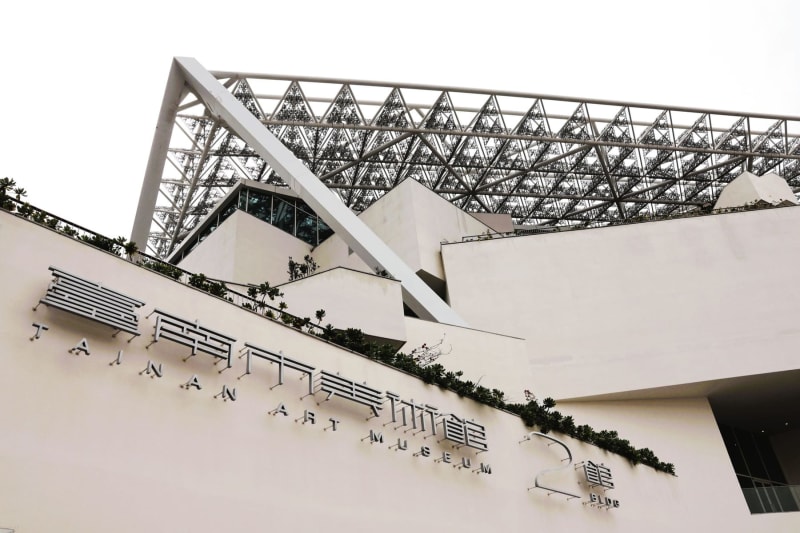
 Tainan
Taiwan's oldest city and undisputed culinary capital, where temples outnumber coffee shops.
Explore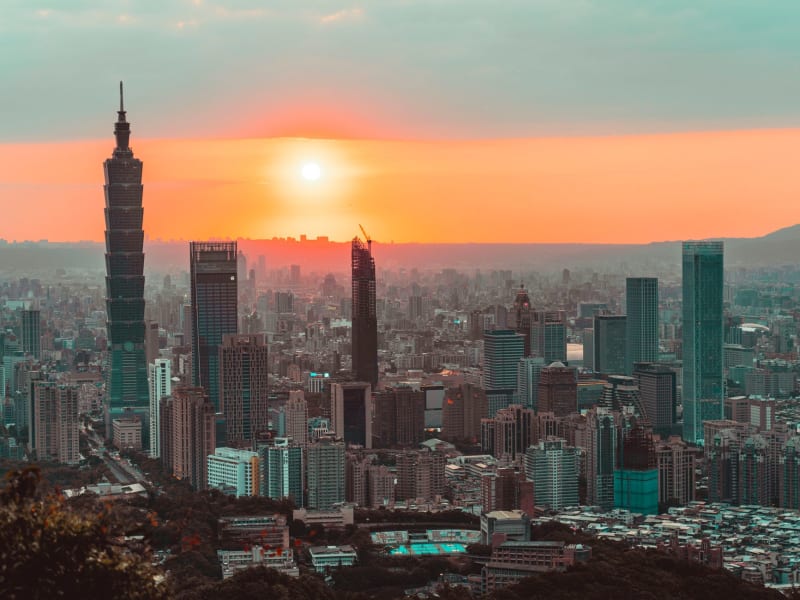 taiwan
 Taipei
A city of legendary night markets, Michelin-starred xiaolongbao, and a needle piercing the cloud line.
Explore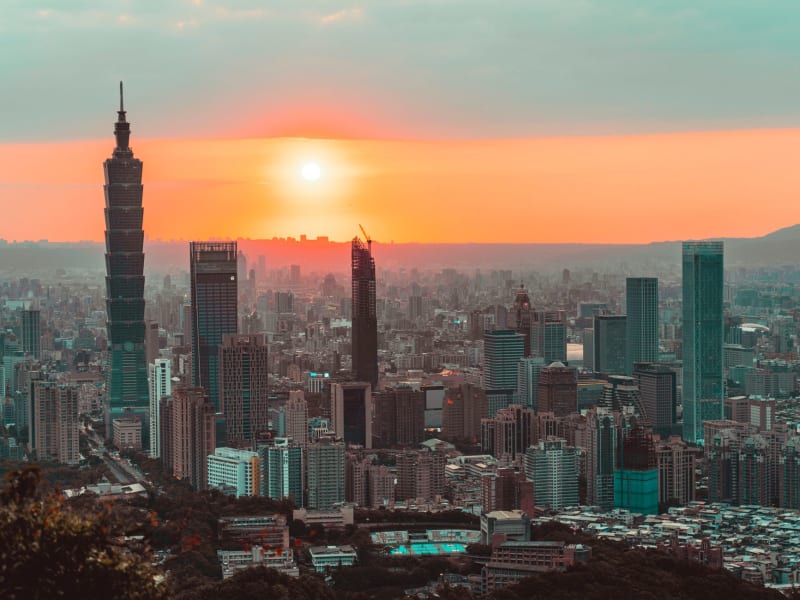 taiwan
 Taitung
Taiwan's unhurried southeast coast, where indigenous villages sit between volcanic ridges and a Pacific that hasn't gotten the memo about mass tourism.
Explore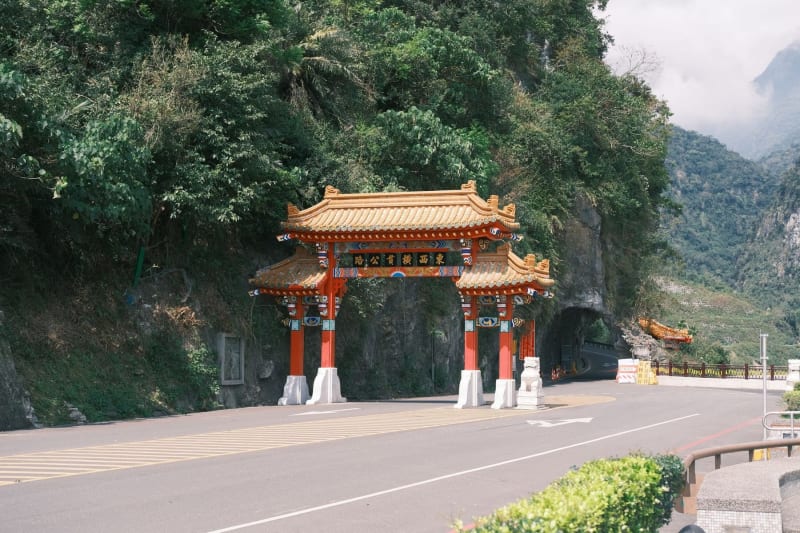 taiwan
 Taroko Gorge
A marble canyon carved by a turquoise river, with walking tunnels blasted straight through the cliff face.
Explore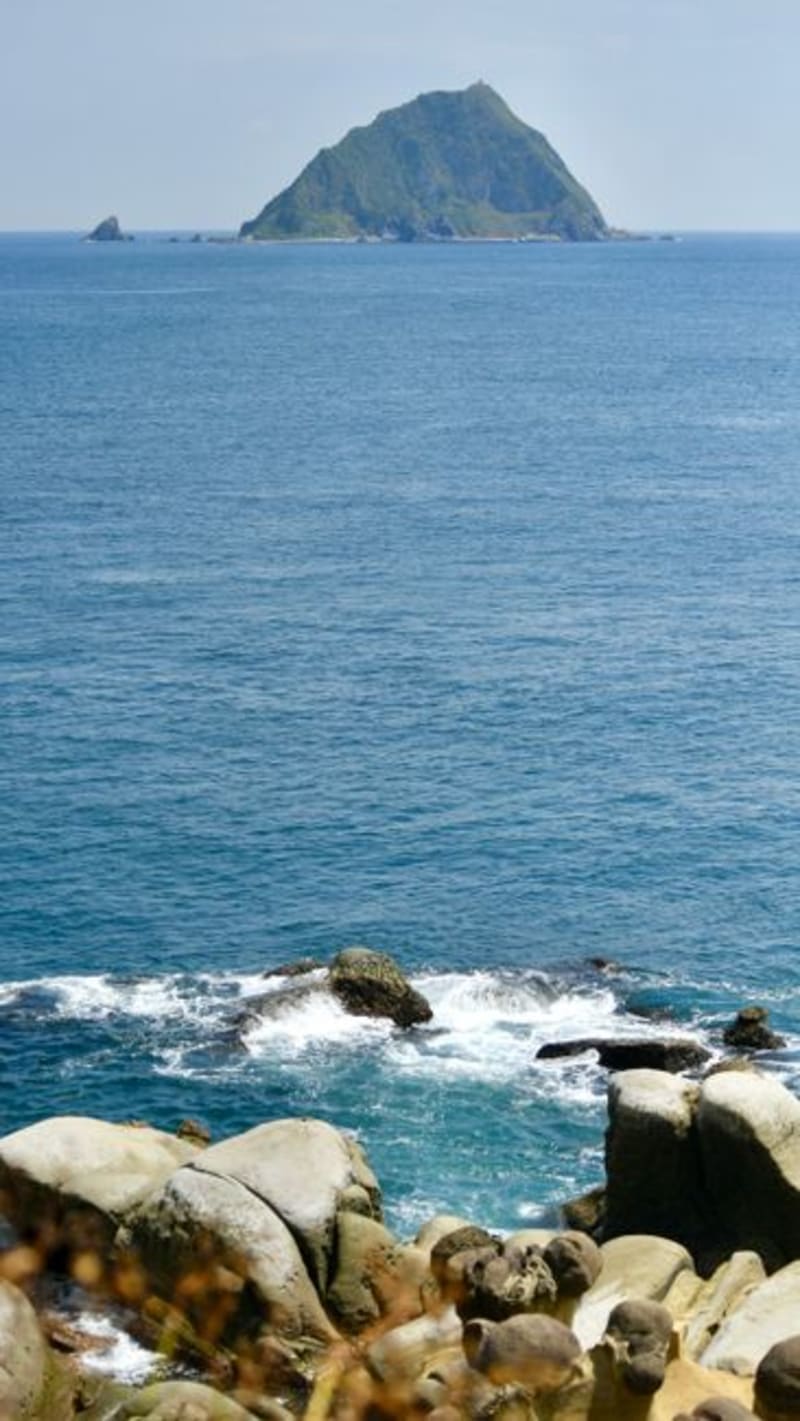 taiwan
 Wangan Island
Penghu's southernmost inhabited island, where green sea turtles nest on a protected beach and old stone houses lean into the wind.
Explore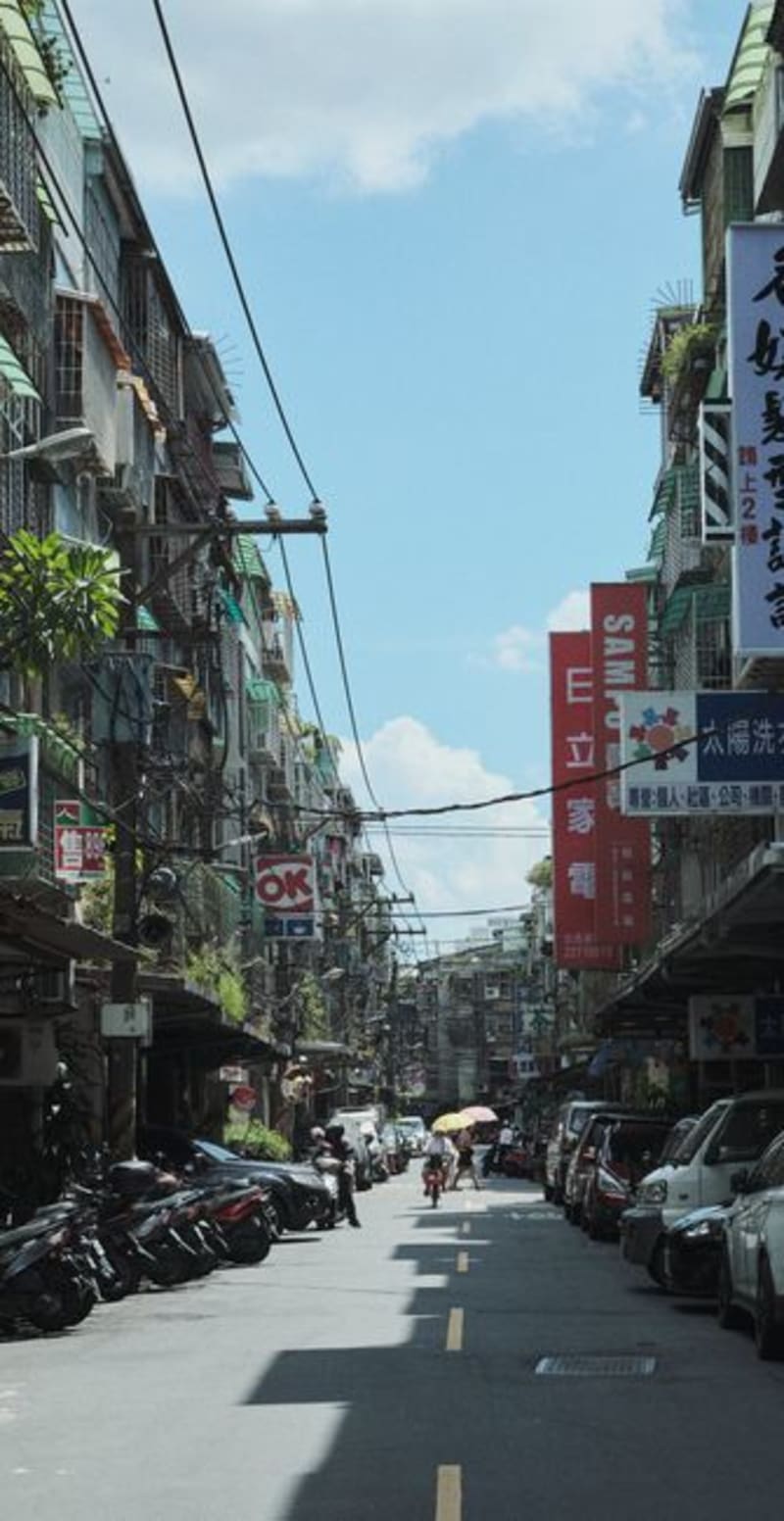 taiwan
 Wanhua
Taipei's oldest district, anchored by Longshan Temple's incense smoke and a night market that never bothered to modernize.
Explore