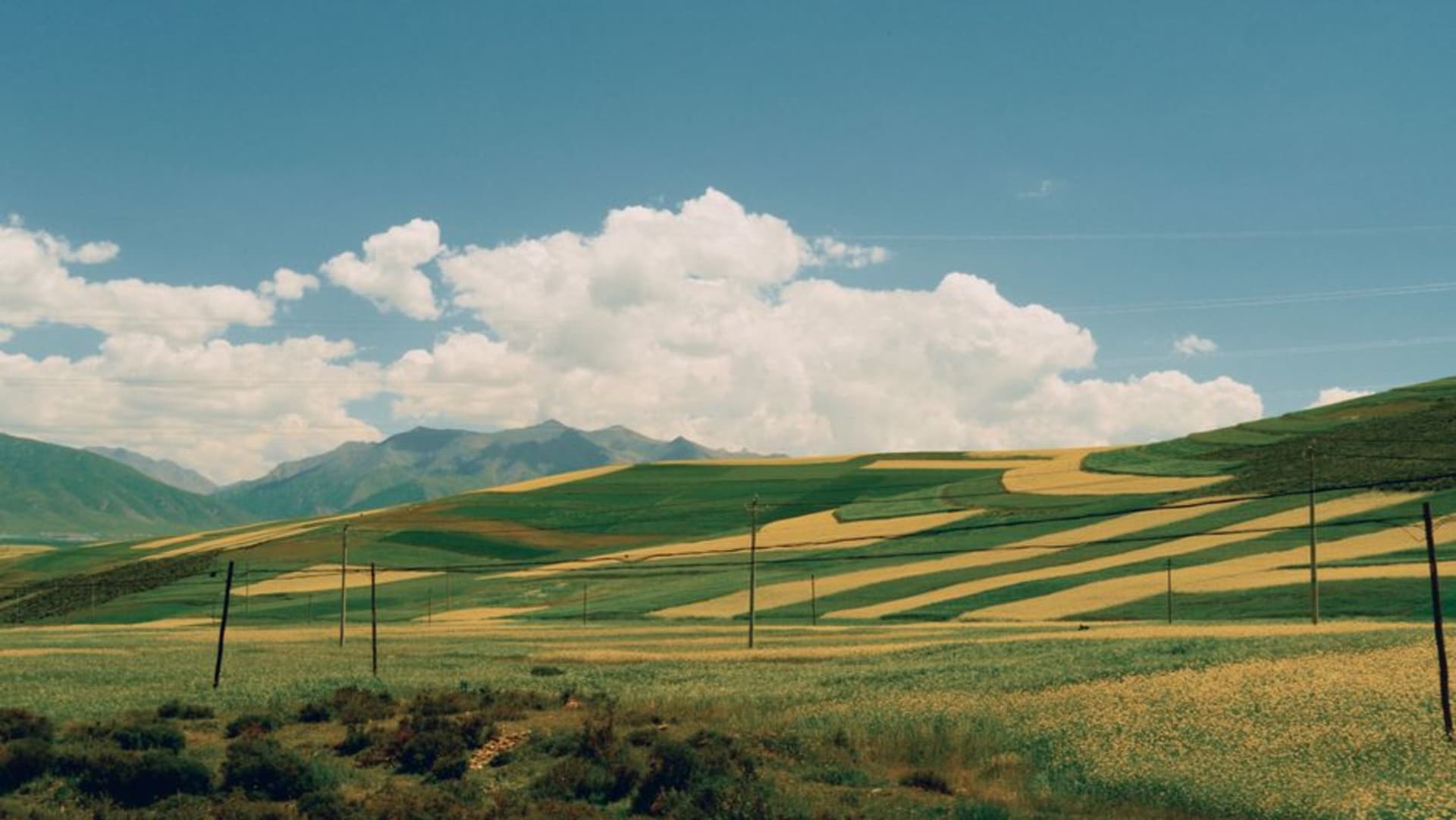
Sanyi
"Every shop in Sanyi smelled like the inside of an old wardrobe, and I mean that as the highest compliment."
A hill town built on the smell of camphor wood, where entire streets of workshops still carve furniture and Buddhas by hand.
We got off the train at Sanyi expecting a quick stop before Sun Moon Lake and ended up staying most of the day, mostly because of the smell. The whole town, or at least the stretch of it along Guangsheng New Street known as Wood Carving Street, carries a warm, resinous scent of camphor sawdust that hits you before you’ve read a single shop sign.
Wood Carving Street
Sanyi’s carving tradition dates back over a century, to when Japanese colonial administrators noticed the hills nearby were thick with camphor trees and set local craftsmen to work. What survives now is a single long street lined with dozens of open-front workshops, ranging from tourist-grade trinkets to genuinely staggering museum-quality pieces — root sculptures left half-natural, half-carved, so the artist’s work and the tree’s own growth pattern blur together. We watched one carver, maybe in his sixties, spend twenty unhurried minutes on a single knot in a piece of raw root, refusing to rush it even with us standing there.
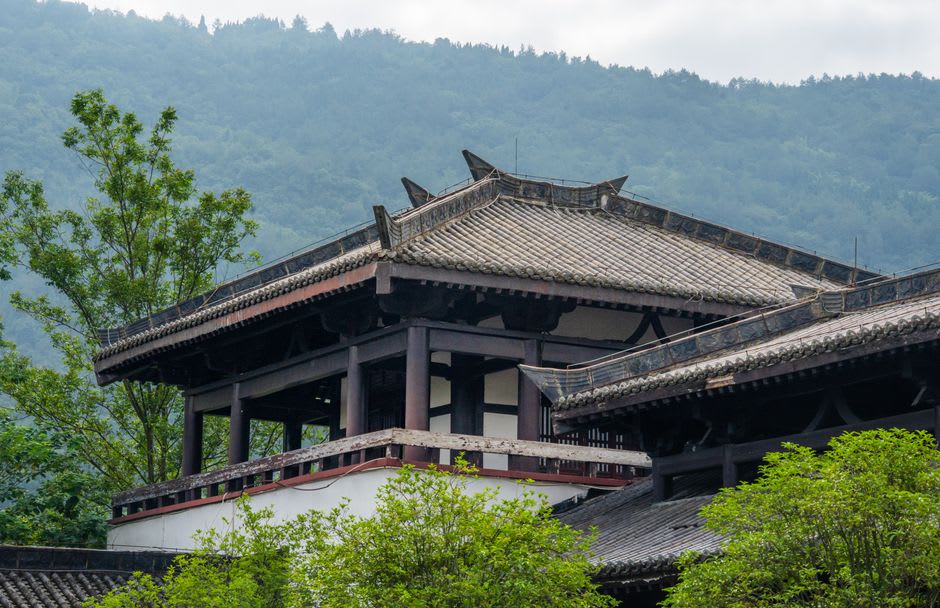
The Old Mountain Line
Above the town, a decommissioned railway called the Old Mountain Line climbs through a series of tunnels and over the dramatic Longteng Bridge — or what’s left of it, since the original brick viaduct was destroyed in the catastrophic 1935 Hsinchu-Taichung earthquake and now stands as a broken, ivy-covered ruin beside its modern replacement. Walking the converted rail bed past the ruin, with mist sitting low over the valley, was one of those quiet, unplanned detours that ends up being the memory that outlasts the itinerary.
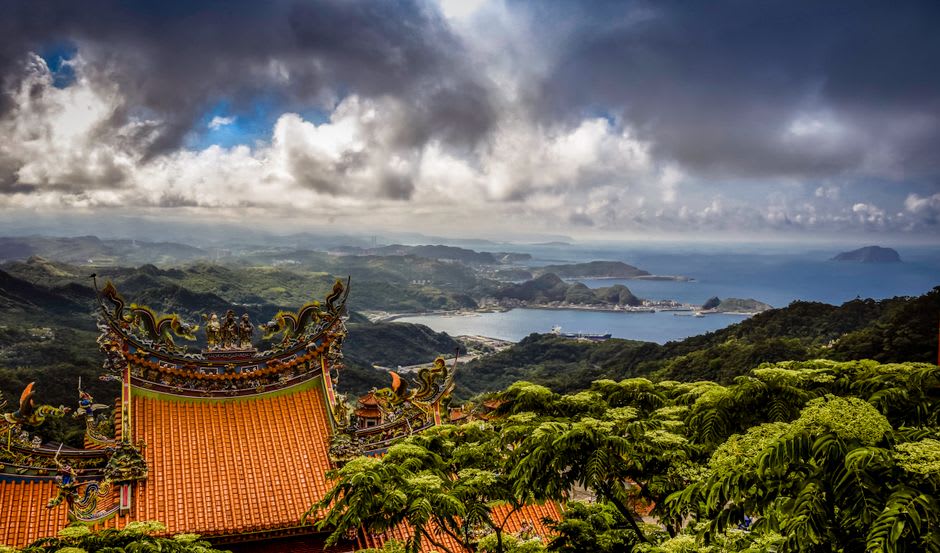
Hakka Roots, Hakka Food
Sanyi sits within Miaoli County’s Hakka heartland, and it shows at lunch: we ate stir-fried “dry noodles” tossed with pickled mustard greens and minced pork at a tiny counter with four tables, the kind of dish that never makes it onto a Taipei menu because it’s considered too plain and homely to sell to tourists. It was, without exaggeration, one of the best noodle dishes of the whole trip.
When to go: Spring, particularly March through April, when the surrounding hills bloom with tung blossom — Hakka communities across Miaoli hold festivals around it, and the white flowers scattered across the hillsides make the drive up to Sanyi worth it on its own.