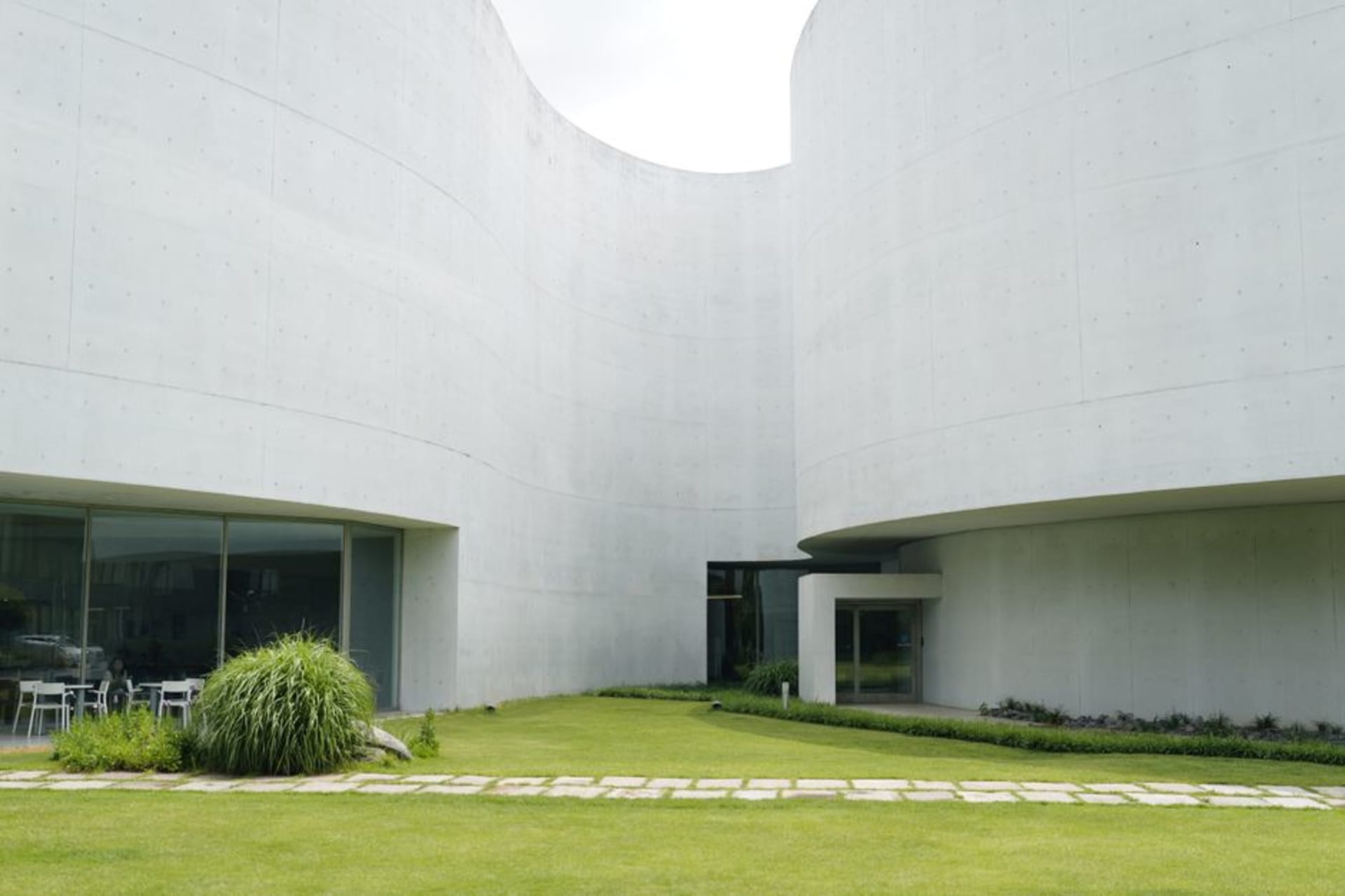
A end-of-the-line Hakka mountain village where a century-old branch railway still delivers day-trippers to a single steep old street.
Neiwan is the literal end of a branch railway that splits off the main line near Hsinchu and climbs into the hills for about half an hour before simply stopping, tracks terminating at a wooden platform with mountains rising close on every side. There is nowhere further to go by rail from here, which is exactly why the ride itself, rattling past bamboo groves and the Youluo River, felt like the actual destination rather than the approach to one.
The Line That Almost Disappeared
Built originally in the 1950s and 60s to haul timber, coal, and quartzite sand out of the surrounding hills, the Neiwan Line nearly closed for good when the extraction industries declined, saved mostly by rail enthusiasts and, more decisively, by nostalgia tourism once the old wooden train cars became a novelty in their own right. Riding it now feels a little like riding a museum piece that happens to still be doing its actual job, conductors punching paper tickets by hand at each stop.
One Steep Street, Fully Committed
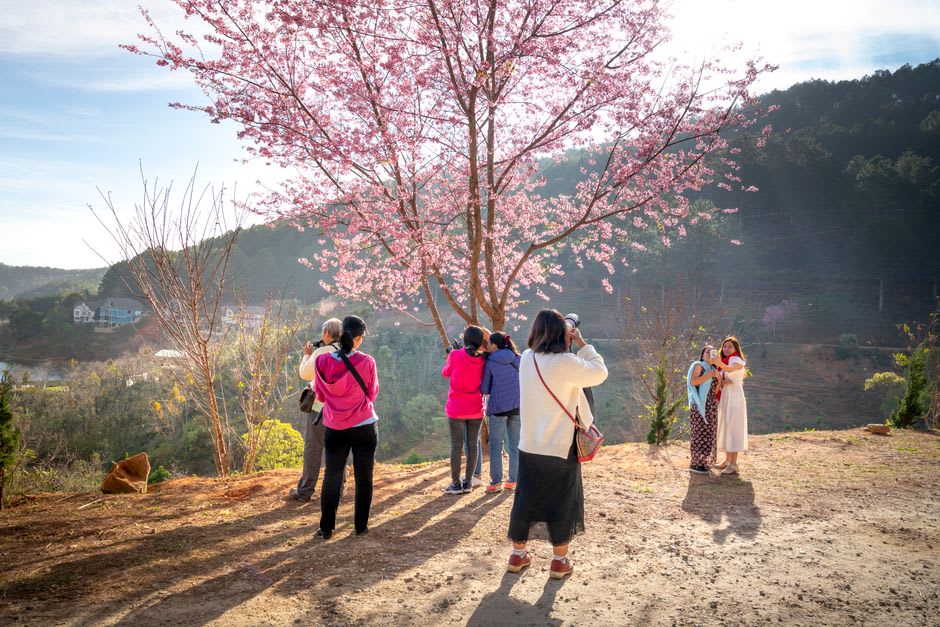
Neiwan’s old street is a single narrow lane climbing directly uphill from the station, lined with Hakka-run shops selling dried persimmons, hakka mochi called ma shu, and the region’s distinctive thick, chewy noodles known as ban tiao. We ate a bowl of the noodles standing at a counter with our backs nearly against the wall of the narrow street, watching a procession of day-trippers file past carrying bags of dried fruit and paper-wrapped rice cakes bought two doors down.
The Suspension Bridge Everyone Photographs
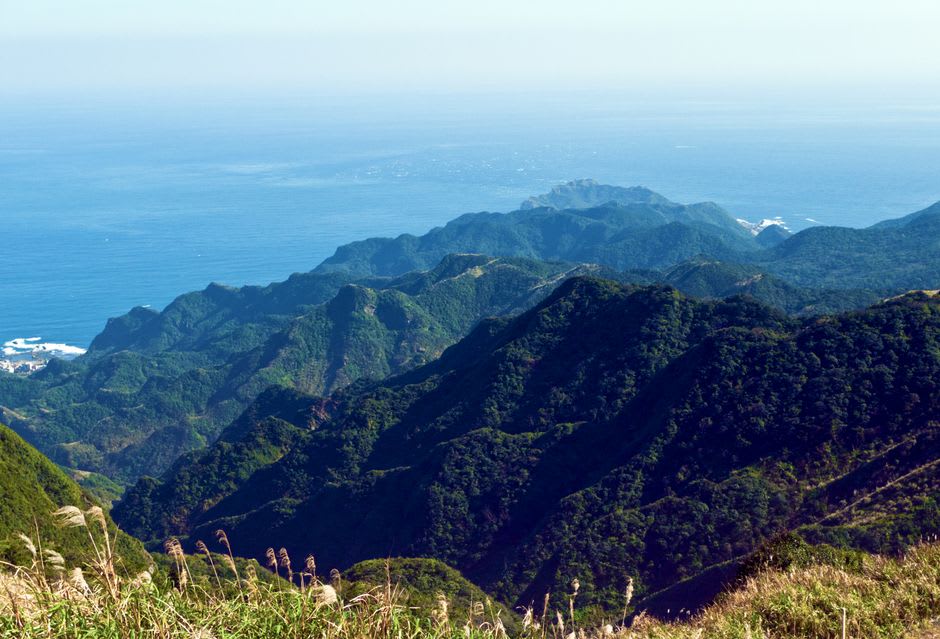
At the edge of the village, a red steel suspension bridge crosses the Youluo River toward a small riverside park, and it has become, somewhat by accident, the most photographed spot in Neiwan — less for any dramatic scenery than for the simple, satisfying frame it makes against the green hills behind it. We crossed it twice, once for the view and once because Lia wanted to walk back and get the light from the other direction.
When to go: Weekdays, ideally in autumn, when the crowds thin out considerably and the old street loses the queue that forms on weekends outside the more famous snack stalls. The train runs year-round regardless of season.