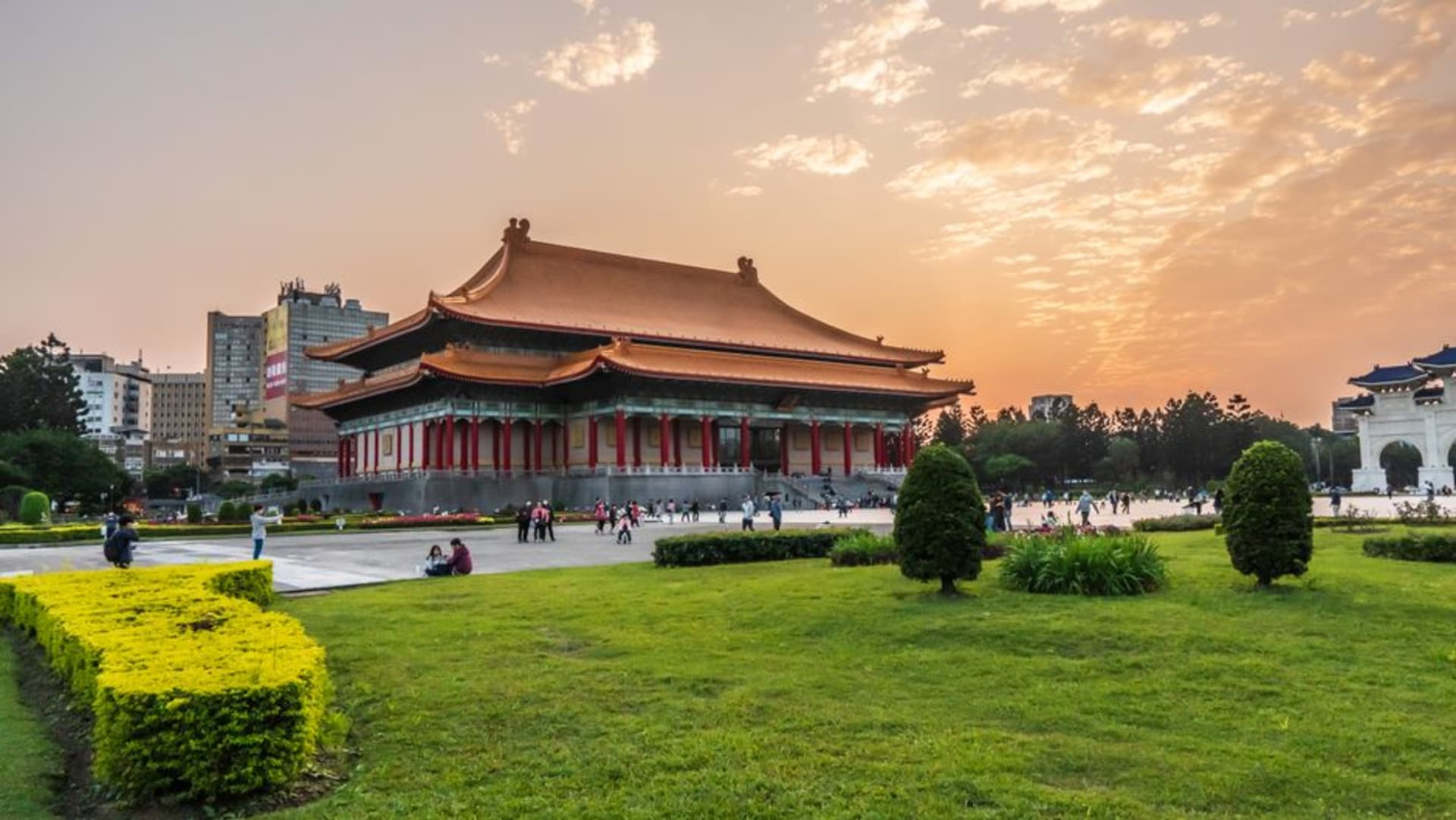
National Palace Museum
"The story of how this collection got here is, honestly, more dramatic than most of the objects inside it — and the objects are extraordinary."
One of the world's great collections of Chinese imperial art, evacuated across a country during a civil war and never returned.
I will admit I went for the jade cabbage. Everyone does, at first — it is the single most photographed object in the museum, a small piece of banded jade carved so precisely into the shape of a napa cabbage, complete with a katydid hidden in the leaves, that it has become something close to a national mascot. I stayed for everything else, and left having barely scratched the surface of a collection this large.
A Collection That Fled a War
What the wall text does not fully convey, unless you read closely, is how improbable it is that any of this survived to be displayed at all. In 1948 and 1949, as the Chinese civil war turned decisively against the Nationalist government, tens of thousands of crates containing the finest holdings of the former imperial palace collections were shipped out of mainland China to Taiwan — porcelain, bronzes, paintings, and calligraphy spanning nearly eight thousand years, packed and moved under wartime conditions with a level of care that, in hindsight, borders on the miraculous. Only a fraction of that collection is ever on display at once; the rest rotates through storage in tunnels carved into the hillside behind the museum.
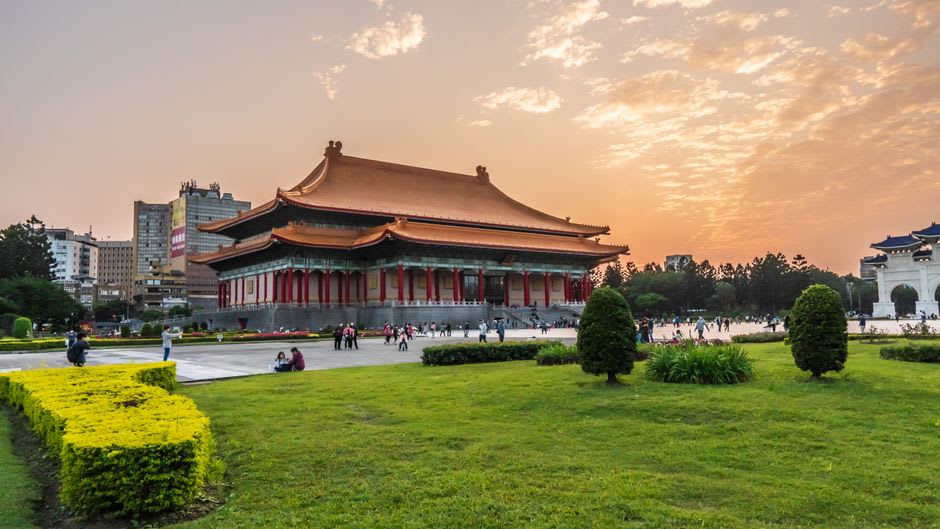
Lia, who studies calligraphy back home more as a hobby than a discipline, spent nearly forty minutes in front of a single Song dynasty scroll, close enough to the glass that a guard eventually cleared his throat. I wandered ahead to the bronzes, three-thousand-year-old ritual vessels with inscriptions still legible, and found myself doing the mental arithmetic on how old they were relative to almost anything else I had ever stood in front of.
Beyond the Cabbage
The museum’s third floor, usually less crowded than the ground-floor galleries where the cabbage and the equally famous meat-shaped stone reside, holds room after room of Song and Ming dynasty ceramics — celadon glazes in shades of green I did not know existed, ru ware so rare that only a few dozen complete pieces survive worldwide. We had the gallery almost to ourselves on a Tuesday morning, which felt like a genuine stroke of luck given how much of the ground floor was, predictably, dedicated to photographing a cabbage.
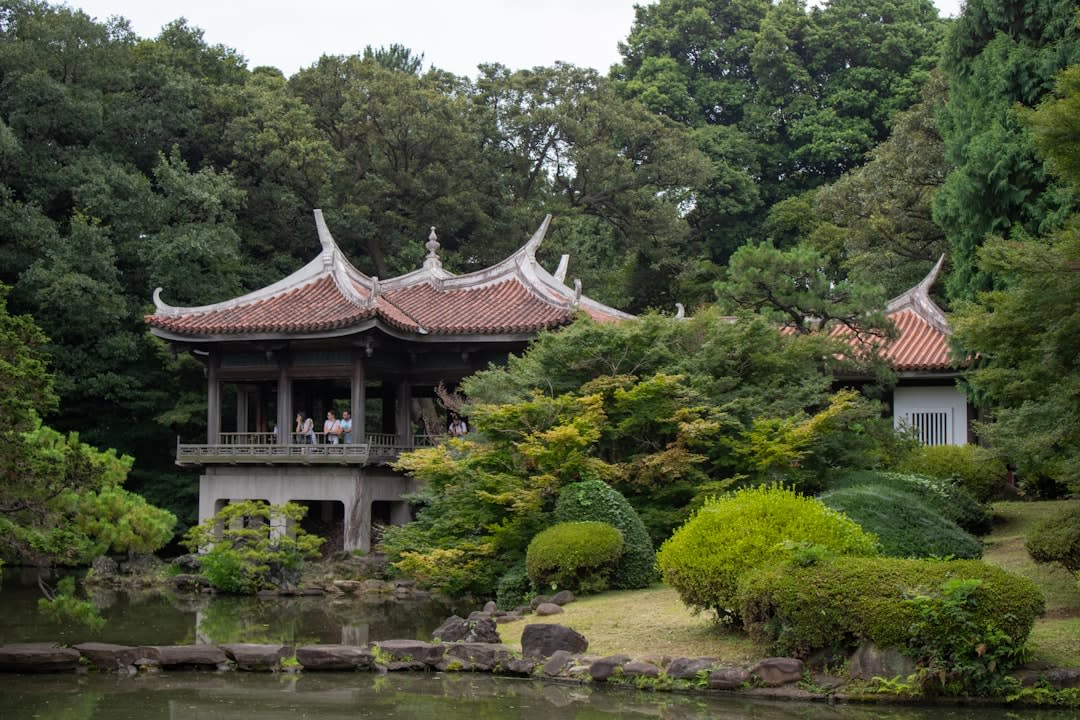
We ended the visit at the museum’s rooftop garden, a small, formal Chinese-style landscape with a teahouse tucked at one end, looking back down over the Zhishan hills that surround the building — a quiet, deliberate decompression after several hours of trying to absorb several millennia at once.
When to go: Weekday mornings, right at opening, are the only reliable way to see the ground-floor highlights without a wall of tour groups between you and the display case. Autumn and winter bring cooler weather for the walk up from the MRT-adjacent bus stop.