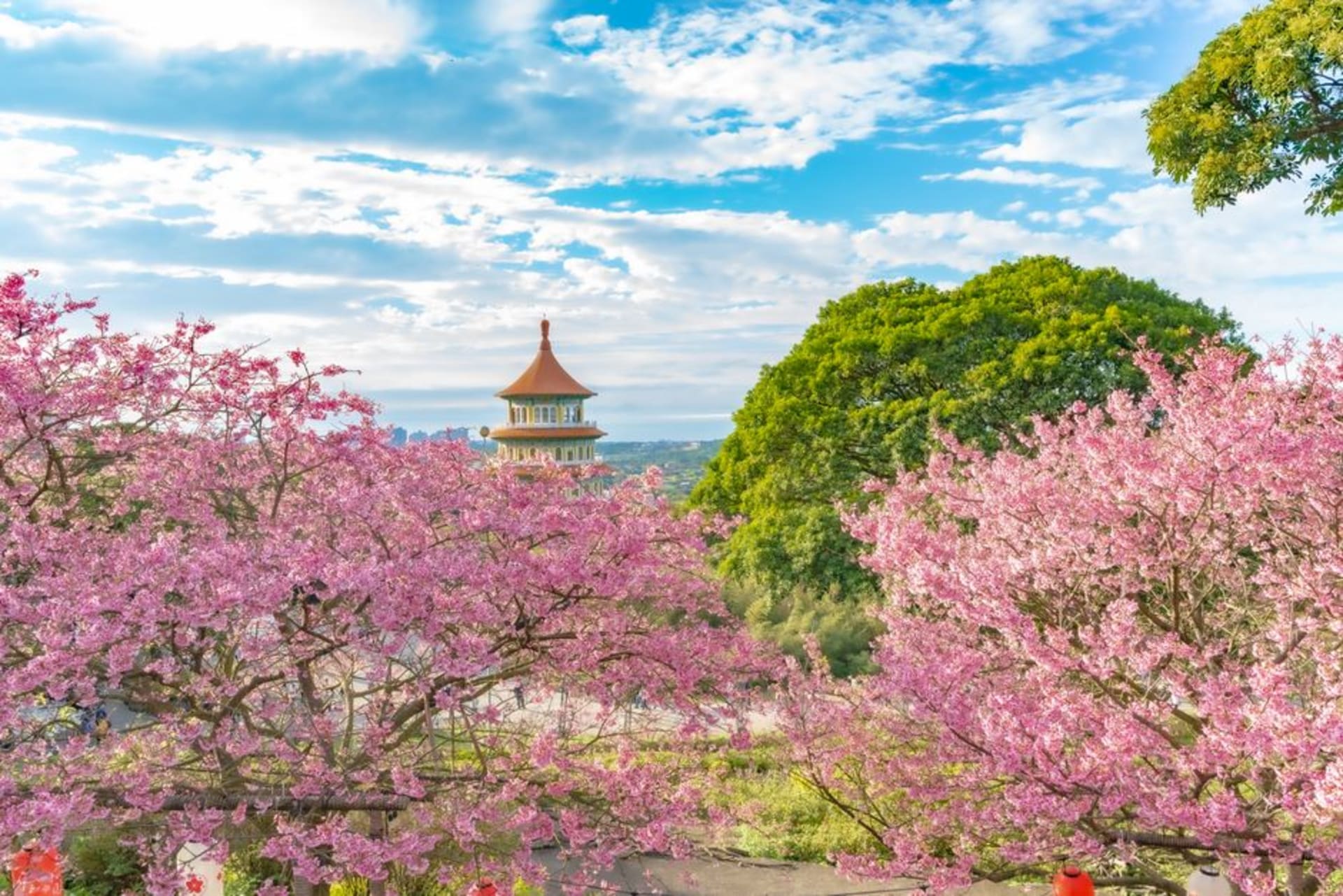
Meinong
"Meinong moves at the speed of a town that never needed to impress anyone passing through."
A Hakka farming town in Kaohsiung's hinterland known for oil-paper umbrellas, tobacco barns, and a slower, tradition-bound rhythm.
We rented a car for Meinong, which in hindsight was the right call — it’s the kind of place best explored by wandering between paddy fields on impulse, and the local buses run on a schedule that assumes you have nowhere in particular to be. About an hour inland from Kaohsiung, Meinong sits in a river valley that Hakka migrants settled generations ago, and it still identifies as Hakka first, Taiwanese second, with its own dialect, cuisine, and an entire aesthetic built around oil-paper umbrellas.
The Umbrella Workshops
Meinong’s paper umbrellas — bamboo-ribbed, coated in tung oil, hand-painted with peonies and phoenixes — used to be a dowry staple for Hakka brides, symbolizing fertility through a pun on the word for umbrella sounding like “many sons.” A handful of workshops still make them entirely by hand, and we watched an elderly craftsman at Chung Cheng Lake Umbrella Workshop stretch rice paper over a bamboo frame with a patience that made our entire itinerary feel frantic by comparison. Lia bought a small one, deep red with a hand-painted magpie, and the owner refused to let her pay full price once she admitted it was for her mother.
Tobacco Barns and a Vanished Industry
Meinong’s other defining feature is its tobacco heritage — the valley’s humid, well-drained soil made it one of Taiwan’s major tobacco-growing regions under Japanese rule, and the town is still dotted with distinctive hip-roofed drying barns, some restored as small museums, others just quietly falling into disrepair among the rice fields. We cycled between a few of them on rented bikes, past water buffalo standing in flooded paddies, and stopped at one converted barn that now serves as a café pouring surprisingly good local coffee grown on the surrounding hillsides.
Hakka Food, Finally Understood
Dinner at a family-run Hakka restaurant on the edge of town clarified something I’d been eating around without understanding: Hakka cuisine leans salty, sour, and preserved — food built for farmers who needed calories and shelf life, not delicacy. We had stir-fried pork with dried squid, a intensely sour bamboo shoot soup, and ban tiao rice noodles that put every other noodle dish that week to shame.
When to go: Late autumn through winter (November–February) coincides with tobacco leaf harvesting displays and cooler weather ideal for cycling between the paddies.