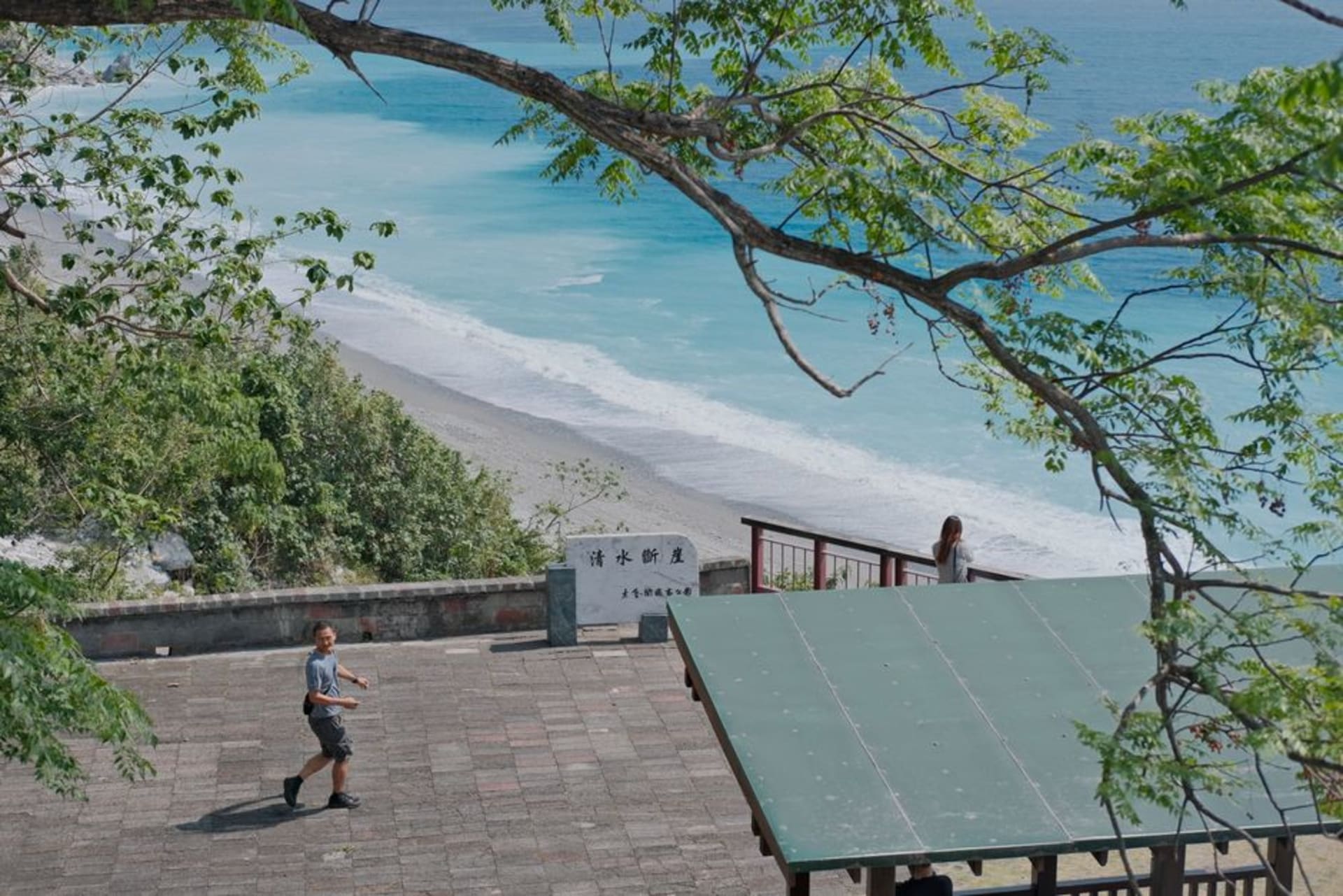
Matsu Blue Tears (Beigan)
"I stood on a dark beach at eleven at night waiting for algae to glow, and it was one of the best decisions of the whole trip."
A remote archipelago near the Chinese coast where bioluminescent algae light the surf electric blue on summer nights.
Getting to Matsu is its own small commitment — a fifty-minute flight from Taipei’s Songshan Airport that gets cancelled with some regularity when the fog rolls in, or an overnight ferry from Keelung if you’d rather sleep through the crossing. I chose the flight, got lucky with clear skies, and landed on Beigan Island with one specific goal: seeing the Blue Tears.
Waiting in the Dark for Algae
Blue Tears — the local name for a bioluminescent bloom of noctiluca and related plankton that lights up disturbed seawater with an eerie electric-blue glow — appear most reliably from April through June, though nobody, including the guesthouse owner who’d been tracking the tides for me all week, could promise an exact night. We drove out to Qiaozi Beach on Beigan after dinner, killed the car’s headlights per the posted instructions so as not to spook the algae or ruin anyone else’s night vision, and waited on the dark sand throwing small stones into the surf. On the third throw, the water lit up in a ring of cold blue light around the point of impact, fading after a few seconds like a dying spark. I made a small, undignified noise of excitement that Lia still brings up.
Fortress Villages Above the Glow
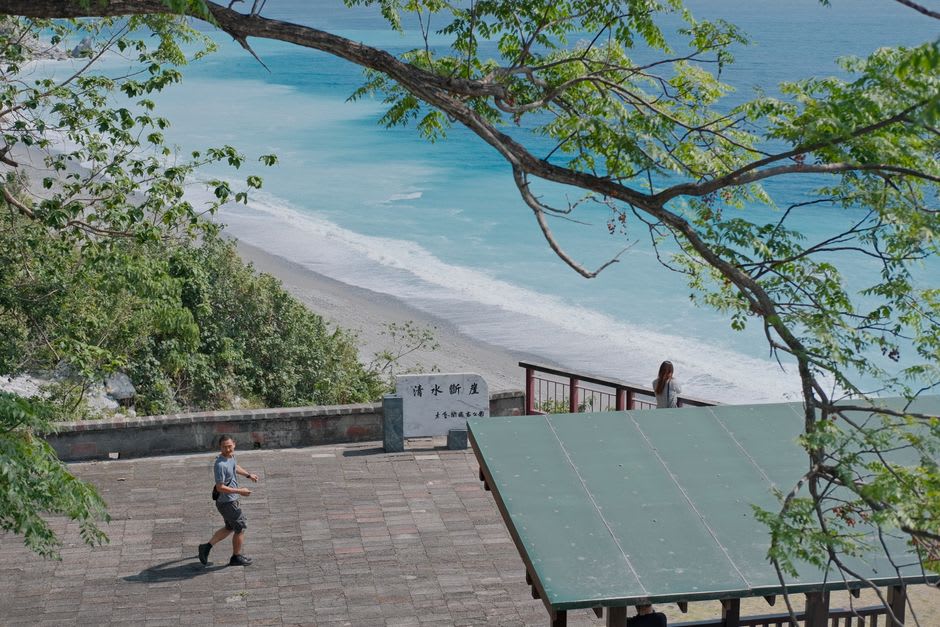
Beigan’s daytime landscape is almost as striking as its night one — Qinbi Village, a cluster of Fujian-style stone houses stacked up a hillside above a turquoise bay, has been nicknamed “Mediterranean Matsu” for its whitewashed walls and blue window shutters, and the comparison, while a little breathless, isn’t wrong. I spent a morning there before the Blue Tears hunt, drinking tea at a small café overlooking the bay and watching fishing boats work the water below.
A Border Island’s Quiet
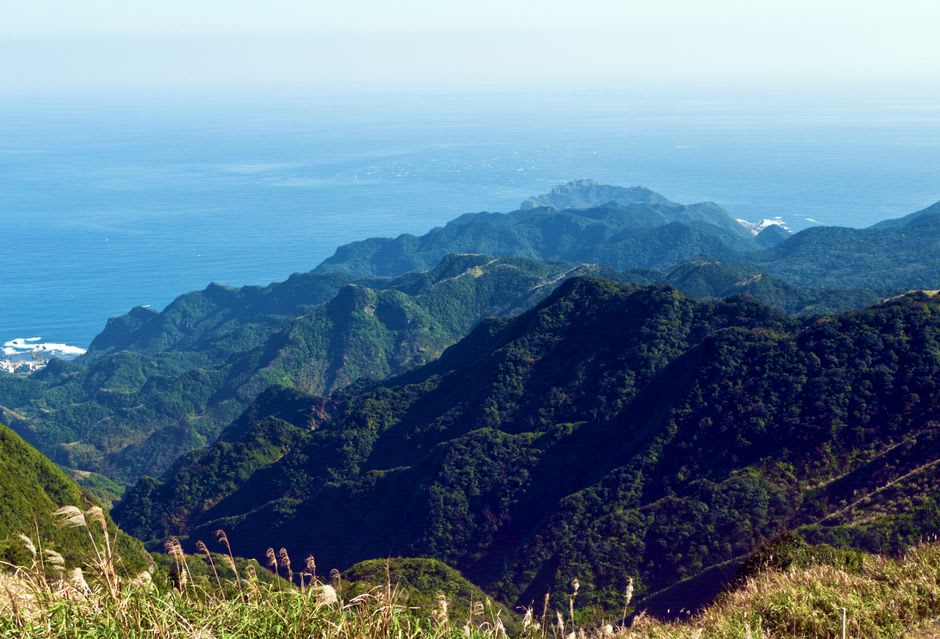
Matsu sits closer to mainland China than to Taiwan proper — you can see the Fujian coastline from several viewpoints — and the whole archipelago carries a frontier feeling that Kinmen shares but somehow amplifies, given how much smaller and less visited it is. Soldiers still outnumber tourists most of the year. I liked that. It made the eventual sight of that glowing water feel earned rather than staged.
When to go: April through June for the best odds of seeing Blue Tears, on a moonless, wind-calm night with an incoming tide. Book flights well ahead — seats are limited and fog cancellations are common, so build slack into your Taiwan itinerary around this leg.
Keep exploring
More from Taiwan
 taiwan
 Meinong
A Hakka farming town in Kaohsiung's hinterland known for oil-paper umbrellas, tobacco barns, and a slower, tradition-bound rhythm.
Explore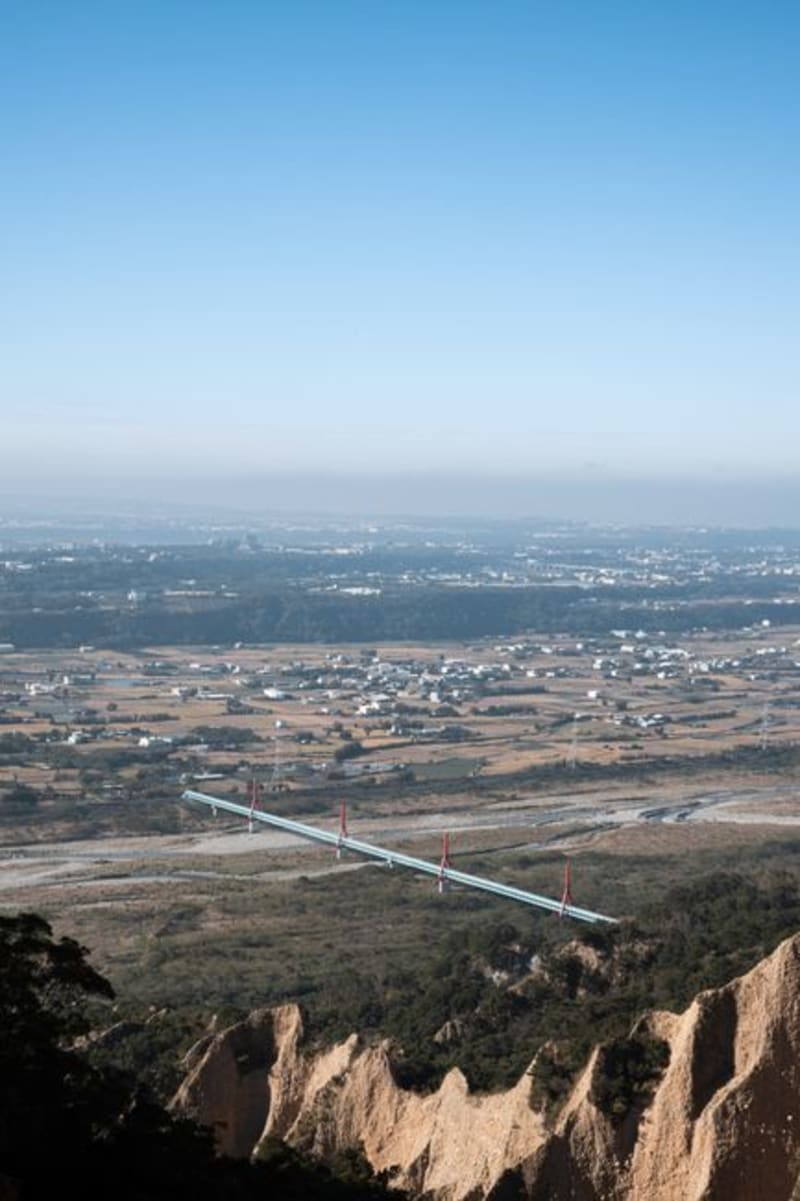 taiwan
 Miaoli
An unglamorous farming county that turns out to hold Taiwan's best-kept Hakka food, hot springs, and hillside tea terraces.
Explore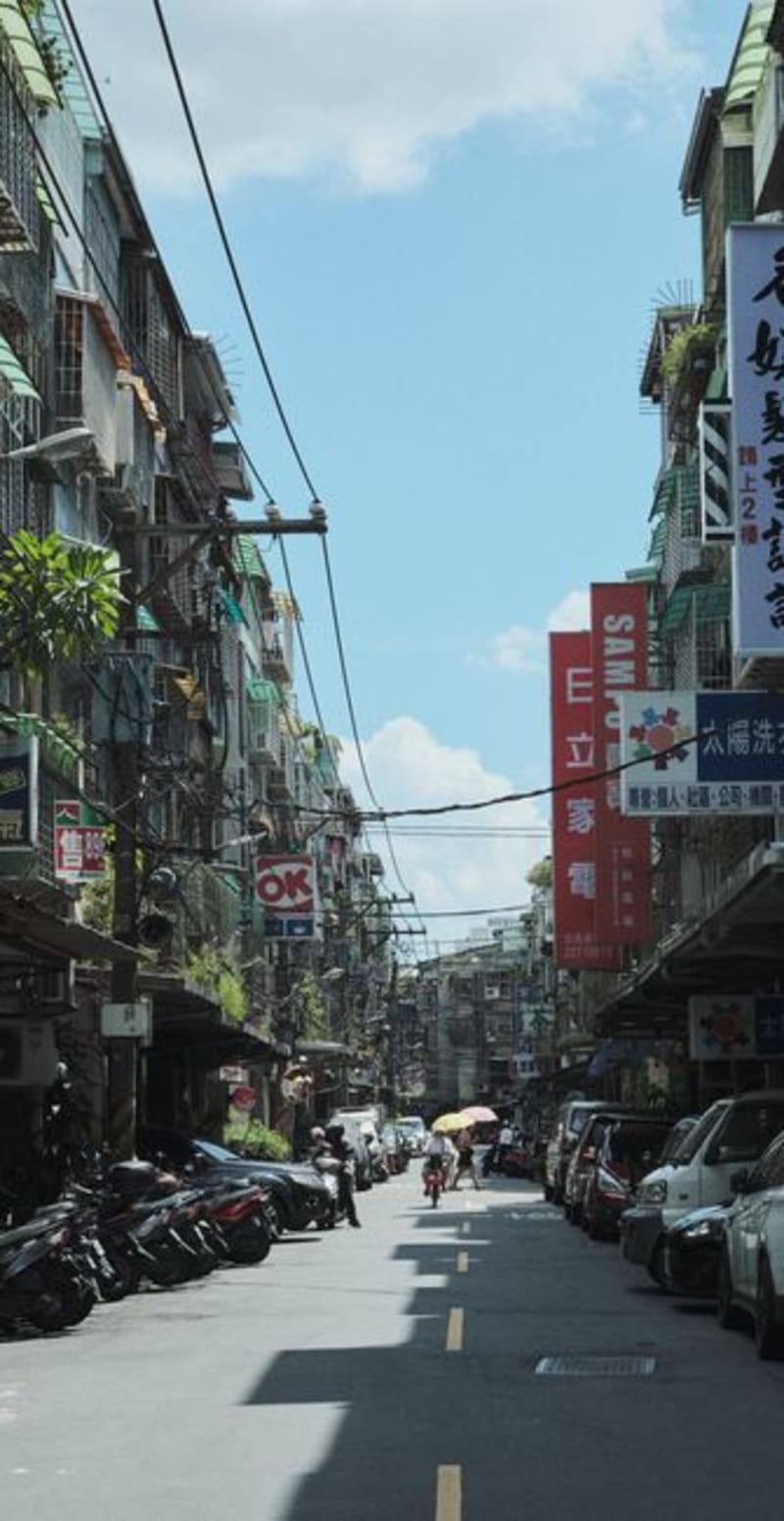 taiwan
 Nanfangao
A working fishing harbor in Yilan County where three temples share one hillside, a rainbow-painted bridge frames the fleet, and the fish market moves faster than you can point at anything.
Explore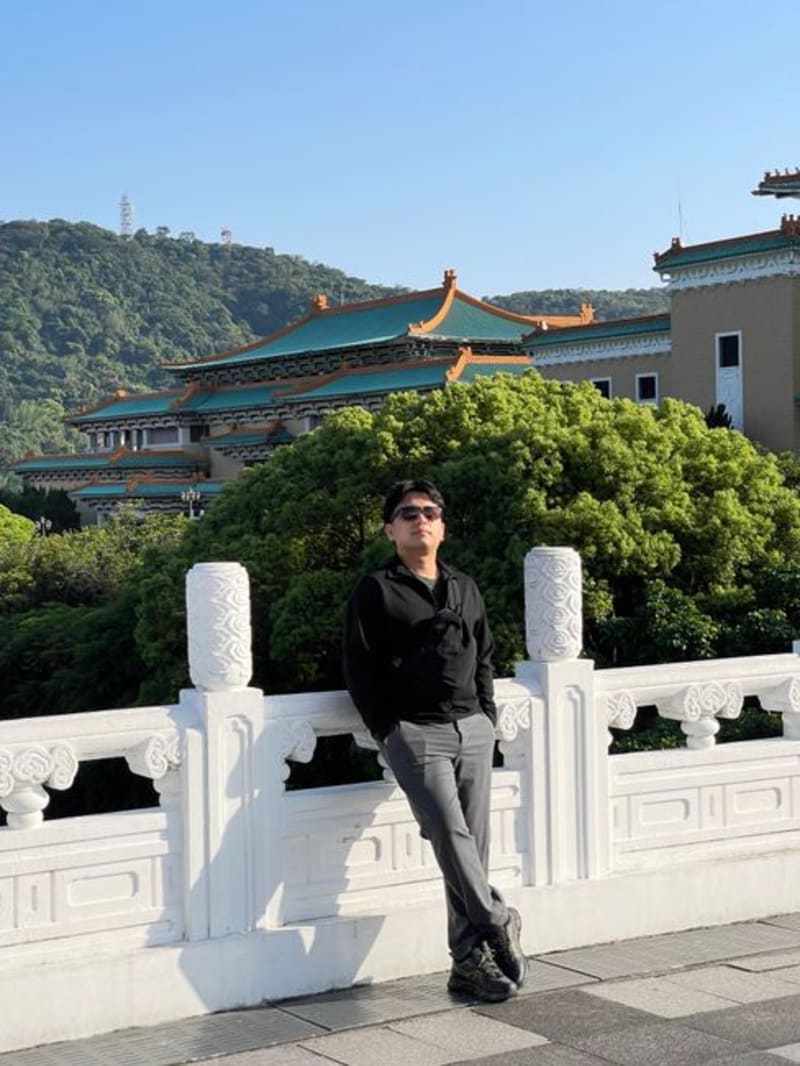 taiwan
 National Palace Museum
One of the world's great collections of Chinese imperial art, evacuated across a country during a civil war and never returned.
Explore taiwan
 Neihu
Taipei's quiet tech-district riverside, where startup offices back onto wetland parks and a lake ringed by hiking trails.
Explore taiwan
 Neiwan
A end-of-the-line Hakka mountain village where a century-old branch railway still delivers day-trippers to a single steep old street.
Explore