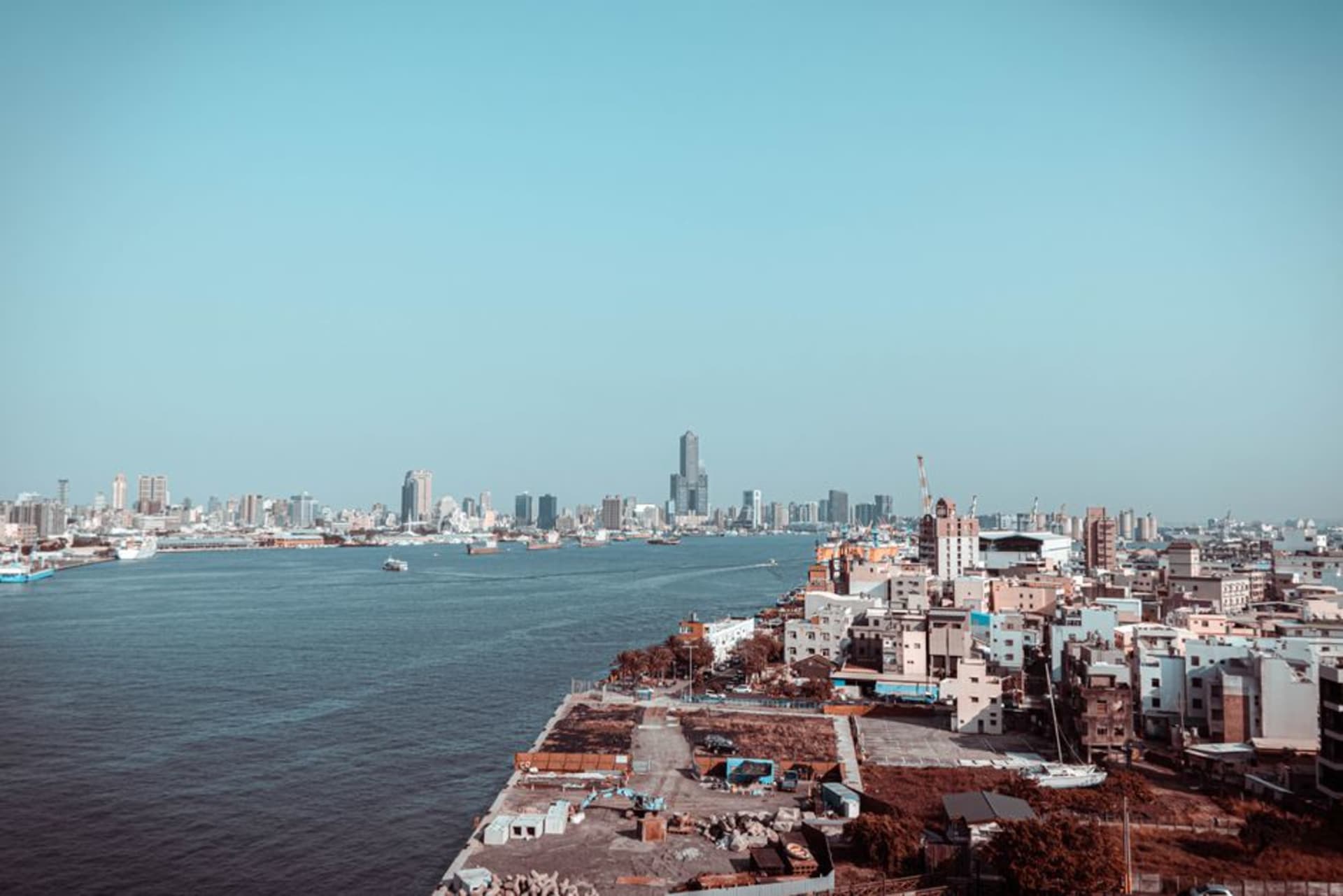
Kaohsiung
"Kaohsiung doesn't apologize for being a working port. It just got better at being one."
Taiwan's second city, a hard-working harbor town reinventing its shipyards and steel mills as art districts and riverside parks.
Everyone in Taipei told us Kaohsiung was rougher, more industrial, less polished. They were right about the first part and wrong about the conclusion. We arrived by high-speed rail on a Tuesday afternoon, and the first thing I noticed stepping out of Zuoying Station was space — wide boulevards, low horizon, none of the vertical crush of the capital. Lia said it reminded her a little of Marseille, and once she said it I couldn’t unsee it: a real port city that happens to also have palm trees and a metro.
Pier-2 and the Ghost of Heavy Industry
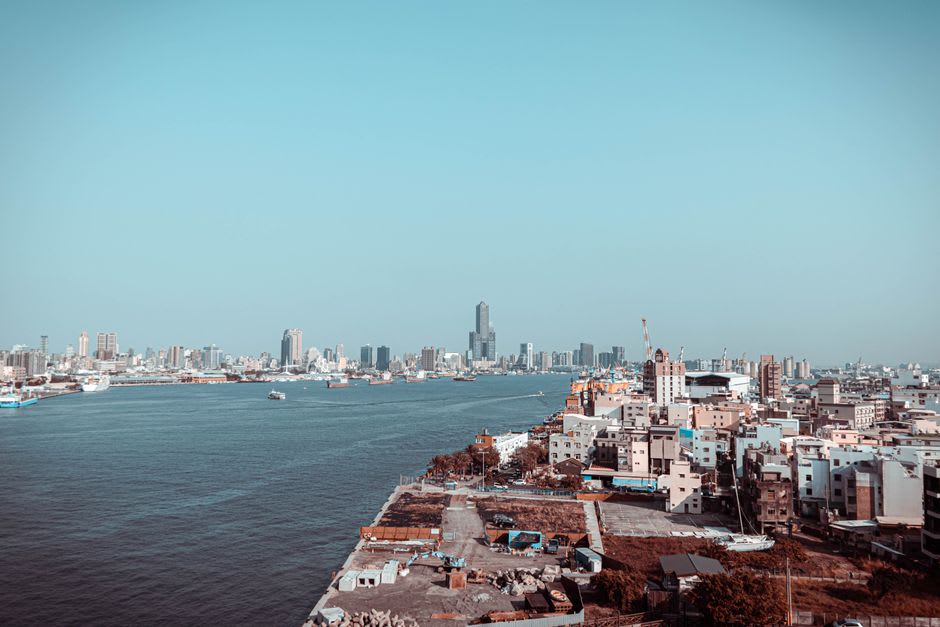
The Pier-2 Art District is the clearest evidence of what Kaohsiung has done with its old bones. Warehouses that used to store sugar and handle shipping containers now host rotating art installations, and giant robot sculptures — leftovers from some past exhibition — stand rusting cheerfully between working rail tracks. We rented bikes at the entrance and rode along the old harbor line toward Cijin, past cargo cranes still very much in operation. It’s not a sanitized waterfront redevelopment. Actual freighters idle a few hundred meters from the galleries.
The Love River After Dark
Everyone warned me the Love River used to be an open sewer in the ’80s, which made walking along it at night feel like witnessing an actual civic redemption arc. The banks are lit in shifting colors, couples rent paddle boats shaped like swans, and vendors sell shaved ice from carts parked under banyan trees. We ate a whole meal — squid on a stick, a fried oyster omelet, something involving sweet potato I never identified — without sitting down once. Lia kept insisting we find a table. There were no tables. That’s the point.
Formosa Boulevard Station
I will admit I went to Formosa Boulevard MRT station purely because a photo of its Dome of Light kept surfacing in my feed, and I was fully prepared to be unimpressed. I wasn’t. The stained-glass dome overhead — one of the largest public glass installations in the world, built by Narcissus Quagliata — turns an ordinary transit interchange into something closer to a cathedral, all deep blues and fire-reds telling a story of creation and destruction. Commuters walk straight through it without looking up. We stood underneath for a good ten minutes, looking up the whole time.
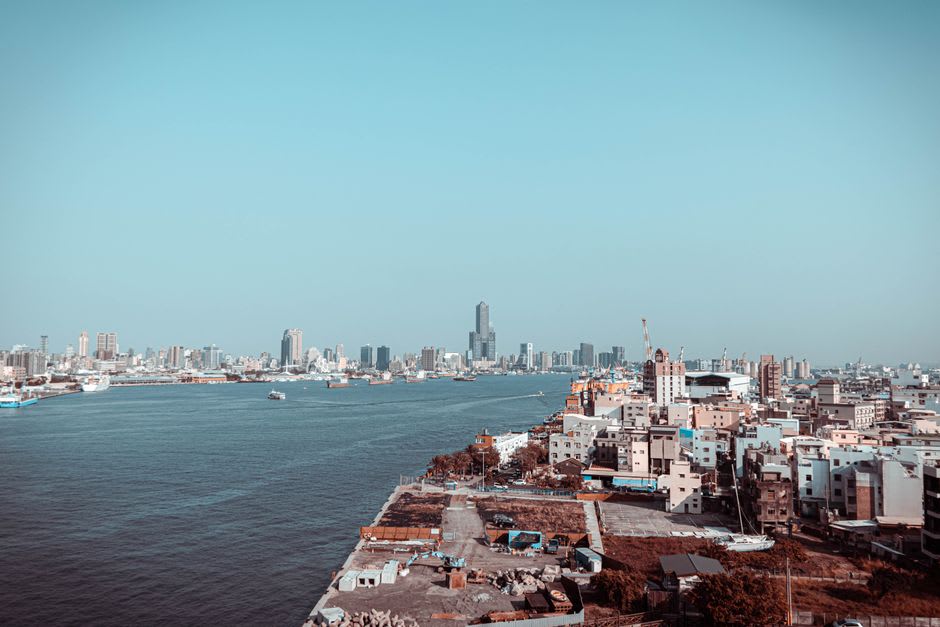
When to go: November through March offers the mildest weather and clearer harbor views; Kaohsiung’s summers run hot and humid with little of the north’s rain to break it up.